Engineered for high structural stability, Japanese structural code compliance, zero-VOC emissions, and exceptional performance in humid coastal microclimates.
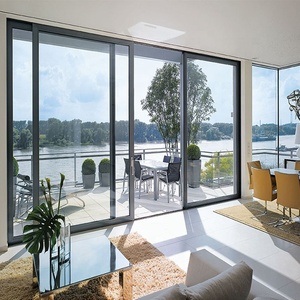
Double-glazed 5mm+12A+5mm tempered glass featuring sound-dampening thermal barrier profiles. Engineered for Kansai high-rise residential patio applications.
Send an Inquiry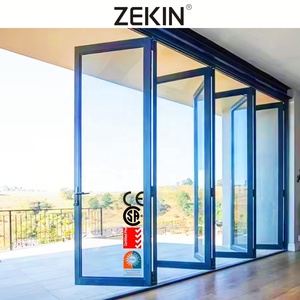
Multi-panel space-optimizing interior folding partition system designed with concealed heavy-duty roller tracks for compact Osaka townhouse spaces.
Send an Inquiry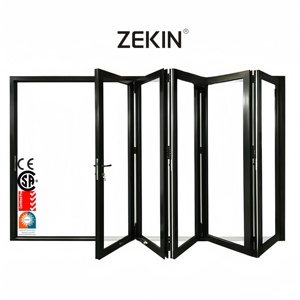
Certified thermal isolation exterior bi-fold system engineered to resist severe typhoons and coastal wind loads around the Osaka Bay area.
Send an Inquiry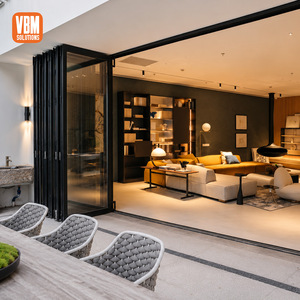
Precision-engineered structural accordion wall featuring ultra-thin sightlines, ideal for modern architectural luxury residences and villa projects.
Send an Inquiry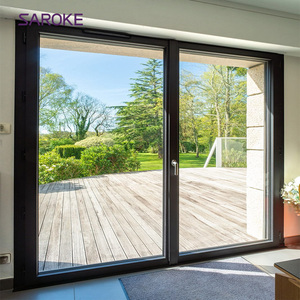
Features circumferential air-seal gasket engineering, providing zero-draft performance and high acoustic privacy for urban apartments.
Send an Inquiry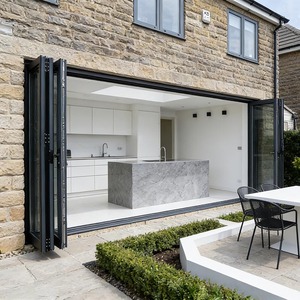
Heavy-duty weather-sealed sliding assembly incorporating anodized surface protection against moisture oxidation and seasonal rainstorms.
Send an Inquiry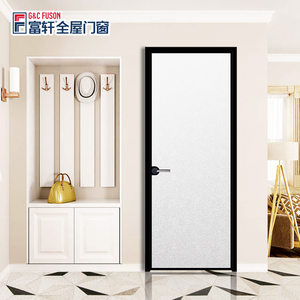
Industrial grade 6063-T5 aluminum framework with integrated safety tempered glass for modern kitchen enclosures, pantries, and hotel fit-outs.
Send an Inquiry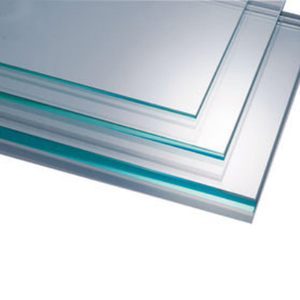
Custom-cut high-clarity safety glass modules certified under global structural safety standards, tailored for custom kitchen cabinetry doors & splashbacks.
Send an InquiryAnalyzing architectural demands, spatial constraints, microclimates, and interior design typologies across key Osaka urban sectors.
In high-density residential towers across Kita-ku and Chuo-ku, spatial efficiency is paramount. Japanese apartment floorplans demand ultra-narrow depth profiles and multi-functional kitchen islands. All-aluminium cabinetry provides 15% more internal storage volume compared to traditional wood frames due to thin-wall, high-tensile 6063-T5 aluminum extrusions. Soft-close pocket sliding doors seamlessly seal off cooking zones without intruding on living areas.
Retrofitting historical wooden townhouses (Machiya) presents persistent moisture and termitic challenges. Traditional wood cabinetry degrades rapidly under ground dampness. Our extruded aluminum carcasses are immune to fungal decay, mold growth, and pest infestation. Finished with Japanese-grade wood-grain thermal transfer coatings, our cabinets preserve the authentic aesthetic of traditional timber while offering modern fireproofing and structural integrity.
Residences and commercial venues facing Osaka Bay are subject to salt-laden marine air and elevated humidity during the rainy season (Tsuyu). Traditional MDF cabinets absorb moisture, resulting in board swelling and lamination peeling. Our fluorine-carbon coated anodized aluminum kitchen cabinets undergo 2,000-hour salt spray testing, guaranteeing absolute corrosion resistance and zero structural deformation over decades of marine exposure.
Comparative performance analysis evaluated against Japanese Ministry of Land, Infrastructure, Transport and Tourism (MLIT) building standards.
| Performance Metric | China Export All-Aluminium Cabinetry | Standard Engineered Wood / MDF | Stainless Steel Commercial Units |
|---|---|---|---|
| Formaldehyde Emission (F★★★★ Standard) | Zero Formaldehyde (100% Inorganic) | Requires E0/F4 Star Adhesives (Risk over time) | Zero Formaldehyde |
| Seismic Shock Resilience | High Ductility; Non-cracking Extrusions | Brittle Joint Cracking under Tremors | Rigid Welded Joints (Risk of Deformation) |
| Moisture Absorption & Swell Rate | 0.00% (Impervious to Water & Steam) | 8.0% - 15.0% (Risk of Expansion/Delamination) | 0.00% (Risk of Crevice Corrosion) |
| Fire Safety Rating (JIS A 1321) | Non-Combustible Grade A (660°C Melting Point) | Combustible (Requires Retardant Surface Coating) | Non-Combustible Grade A |
| Weight to Strength Ratio | Ultra-Lightweight (Low Structural Wall Load) | Heavy (Puts Stress on Drywall Substrates) | Medium to Heavy |
| Termite & Mold Vulnerability | 100% Immune | High Risk in High-Humidity Kansai Regions | 100% Immune |
Understanding the shift toward sustainable, seismic-resilient, and health-first kitchen infrastructure in Japanese urban development.
Post-pandemic residential buyers in Osaka are prioritizing non-toxic living environments. With Japanese consumers acutely aware of Sick Building Syndrome (SBS), kitchen cabinetry must meet or exceed JIS F★★★★ standards. All-aluminium cabinets rely on mechanical lock-assembly and powder coating rather than resin glues, providing zero VOC off-gassing, making them the preferred specification for high-end residential contractors.
Situated in the Nankai Trough earthquake zone, Osaka building codes place extreme emphasis on interior safety during seismic events. Modern kitchen designs require automated seismic latches (Kanagushiki) that lock cabinet doors during structural shaking to prevent contents from spilling. China's top export manufacturers integrate heavy-duty hardware mounting points directly into CNC-machined aluminum carcass frames.
With Osaka hosting major international events like the 2025 World Expo and expanding tourism infrastructure in Namba and Shin-Osaka, commercial demand for short-term rental (Minpaku) kitchenettes has surged. Property managers require low-maintenance, heavy-duty cabinetry that resists tenant wear, heat damage, moisture spillages, and frequent cleaning cycles without requiring costly surface refurbishments.
Bridging advanced Chinese industrial CNC precision with meticulous Japanese quality control and project delivery standards.
Our automated production facilities utilize 5-axis CNC machining centers to process aluminum profiles with tolerances down to ±0.2mm. This microscopic precision ensures seamless edge joining, perfectly flush door panel alignments, and smooth integration of Japanese hardware brands such as Blum, Sugatsune (LAMP), and Hettich.
Surface treatment technology is critical for kitchen durability. We provide AkzoNobel powder coating, high-grade architectural anodizing, and 3D wood-grain thermal transfer finishes. These surfaces resist oil staining, harsh chemical detergents, thermal shock from stovetops, and scratching from everyday cookware.
We work directly with Osaka-based architects, general contractors, and developers. From initial CAD shop drawing submittals and 3D rendering packages to customized knock-down (CKD) or fully-assembled packaging, our engineering desk streamlines pre-production approvals and lowers shipping costs into Osaka Port.
Addressing technical compliance, logistics to Osaka Port, custom sizing, and manufacturing lead times.
Yes. Our export-grade all-aluminium kitchen cabinetry is manufactured using high-grade 6063-T5 aluminum extrusions and non-combustible hardware components that fully align with Japanese JIS A 5558 standards. We provide material mill test certificates (MTC), non-combustibility test reports, and zero-formaldehyde certification to satisfy local municipal building inspections across Osaka Prefecture.
Japanese kitchen layouts strictly follow spatial grid systems based on standard module widths (typically multiples of 150mm, such as 450mm, 600mm, 750mm, and 900mm) and specific counter heights (800mm, 850mm, or 900mm). Our production lines are fully customizable. We build tailored carcasses to fit exact floorplan alcoves, incorporating cutout clearances for specialized appliances like Japanese fish grills (Rinnai/Paloma) and induction hobs (IH cooktops).
Production lead time for custom container orders typically ranges from 20 to 30 days following final CAD drawing sign-off. Maritime transit from major East China ports (such as Shanghai or Ningbo) directly to Osaka Port (Nanko) takes approximately 3 to 5 days. Total door-to-port timeline generally runs under 5 weeks, ensuring rapid inventory replenishment for ongoing developer construction schedules.
Absolutley. While we offer high-grade factory-standard soft-close aluminum hardware, our CNC mounting patterns can be pre-drilled to match third-party hardware specifications requested by the client, including Sugatsune (LAMP), Blum, Hettich, or DTC systems. You can choose to have hardware pre-installed at the factory or shipped loose for site installation.
Aluminum possesses exceptional thermal conductivity and a melting point exceeding 660°C. Unlike wood cabinets that warp, crack, or discolor when positioned adjacent to high-heat gas burners, aluminum cabinet bodies remain completely unaffected. Furthermore, our anodized and fluorocarbon-coated surface finishes prevent hot grease, soy sauce, and cooking oils from penetrating the material, allowing effortless cleanup with neutral soap.
All cabinets undergo rigorous protective export packaging. Individual panels and assembled carcasses are wrapped in scratch-resistant protective film, corner-guarded with high-density EPE foam, and sealed inside heavy-duty 5-ply corrugated cartons. For LCL shipments or delicate glass-fronted doors, fumigated solid wooden crates or reinforced plywood boxes are utilized to ensure zero damage upon arrival at your jobsite in Osaka.
Whether you are sourcing for a high-rise condominium project in Umeda, a hotel fit-out in Namba, or bulk distribution across the Kansai region, our engineering team is ready to review your architectural drawings and supply competitive factory-direct quotations.