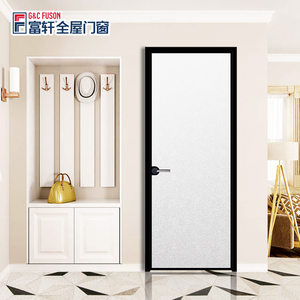
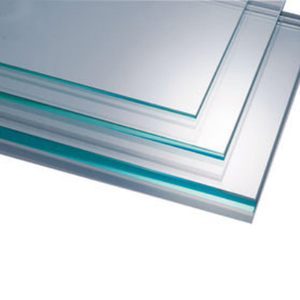
Tempered Glass Manufacturer & Suppliers serving Ghana

Engineering Certified Safety Glazing, Thermally Insulated Glass Units (IGU), and High-Performance Architectural Fenestration Systems Engineered for West Africa's Tropical & Coastal Environments.

Export-Ready Glazing Portfolio

Precision-Engineered Architectural Glass & Doors for Ghana

Manufactured under ISO 9001 and EN 12150 standards. Custom fabricated with heat soak testing (HST), low-E thermal coatings, and high-tensile alloy framing for immediate dispatch to Tema and Takoradi ports.
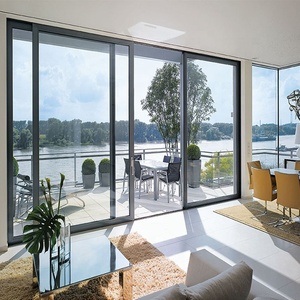
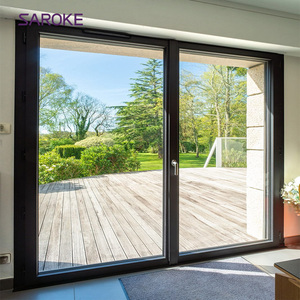
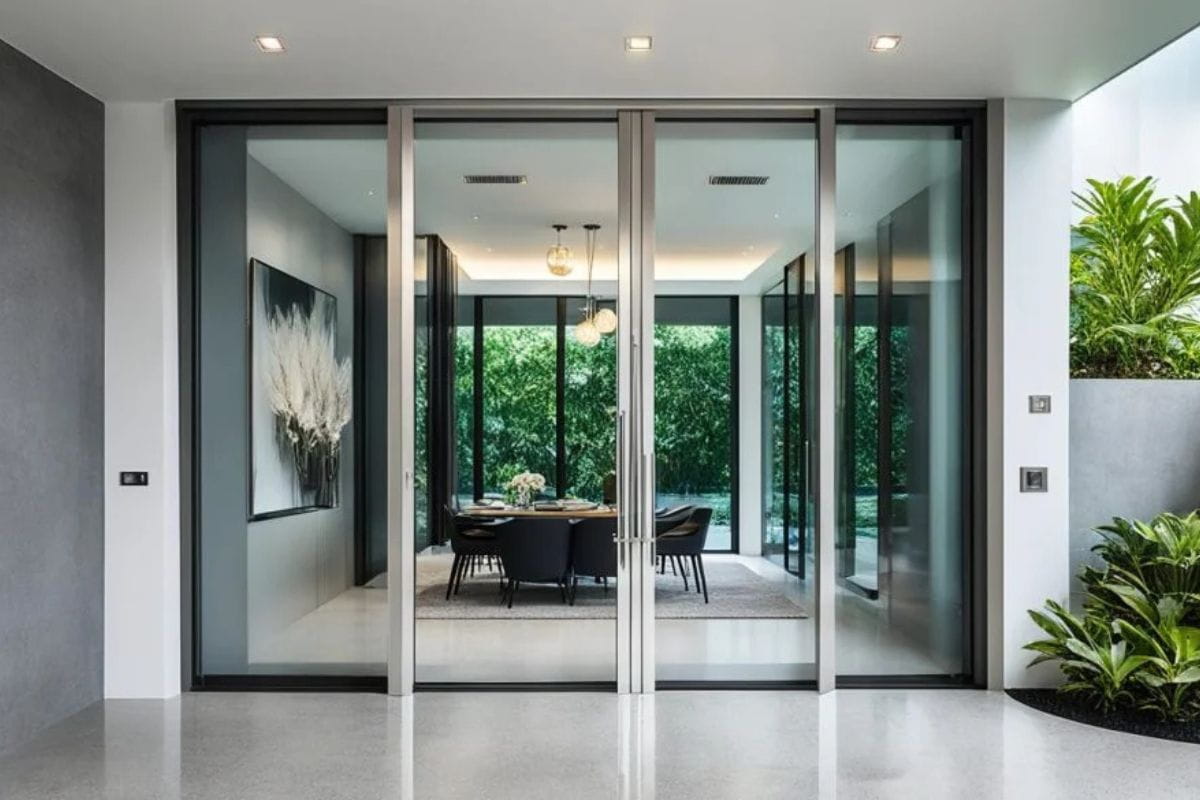
Residential Modern Soundproof Double Glazed Patio Sliding Door

Residential Modern Soundproof Double Glazed Patio Sliding Door

  • 5mm+12Ar+5mm Tempered Glass
  • Sound Reduction: Rw ≥ 38 dB
  • 5-Year Heavy-Duty Warranty
Get Catalog
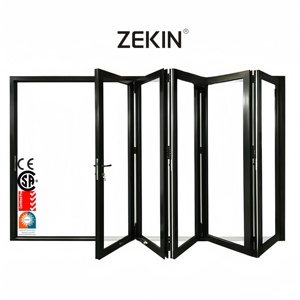
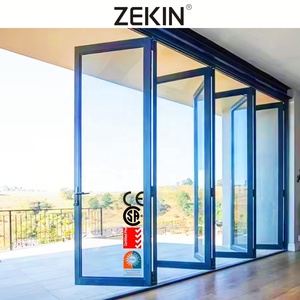
Multi-Panel Energy-Efficient Soundproof Aluminum Bi-Fold Door

Multi-Panel Energy-Efficient Soundproof Aluminum Bi-Fold Door

  • Thermal Break Aluminum Framing
  • Toughened Safety Glazing (EN12150)
  • Stainless Steel Roller Tracks
Get Catalog
High Quality Aluminum Double Glass Exterior Main Entrance Door

High Quality Aluminum Double Glass Exterior Main Entrance Door

  • NFRC & AS2047 Certified Performance
  • Argon Gas Filled Double Glazing
  • Multi-Point Security Locks
Get Catalog
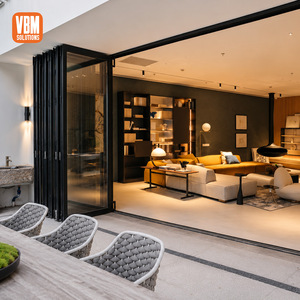
Large Opening Aluminum Accordion Glass Wall System for Luxury Villa

Large Opening Accordion Glass Wall System for Luxury Villas

  • Spans up to 12 meters width
  • High Solar Heat Gain Control
  • Corrosion-Resistant Anodized Finish
Get Catalog
Soundproof Interior Side Compression Aluminum Glass Sliding Door

Soundproof Interior Compression Glass Sliding Door for Bedroom

  • Air-Tight Perimeter Compression Seals
  • 6mm / 8mm Clear Tempered Glass
  • Minimalist Space-Saving Design
Get Catalog
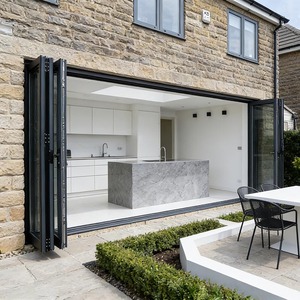
Waterproof Aluminum Folding Sliding Patio Door with Thermal Insulation

Waterproof Aluminum Folding Sliding Patio Door with Thermal Barrier

  • EPDM Triple Gasket Weather Seal
  • Low-E Coated Toughened Glass
  • Designed for Heavy Tropical Rainfall
Get Catalog
Hotel & Office Aluminum Frame Swinging Tempered Glass Door

Hotel & Office Interior Casement Swinging Tempered Glass Door

  • 8mm to 10mm Safety Glass
  • Anodized / Powder Coated Aluminum
  • Heavy-Duty Hydraulic Floor Hinge
Get Catalog
6mm to 15mm Industrial Flat Top Safety Clear Tempered Glass Panels

6mm–15mm Industrial Flat Clear Safety Tempered Glass Panels

  • Custom Cut-to-Size & Polished Edges
  • Heat Soak Tested (HST) Options
  • Impact Resistance: 5x Standard Float
Get Catalog
10,000+ Sqm Tempered Glass Exported Monthly
5x Flexural Strength vs. Standard Float Glass
100% EN 12150 & ASTM C1048 Compliance
18–25 Days Direct Sea Freight Transit to Tema Port

Architectural Tempered Glass Engineering: Technical & Environmental Adaptation for Ghana

Ghana’s rapid urbanization across Greater Accra, Kumasi, and Takoradi has triggered an architectural evolution toward contemporary curtain walls, expansive residential fenestration, and modern commercial facades. However, specified building envelope materials must withstand Ghana’s unique equatorial sub-Saharan climate—characterized by high solar radiation, elevated humidity levels, intense seasonal rains, and intense coastal atmospheric salinity near the Gulf of Guinea.

As a global tier-one tempered glass manufacturer, our engineering framework integrates Advanced Thermal Stress Management, Anisotropic Stress Controls, and Micro-Structural Surface Toughening to deliver structural glass solutions that guarantee lifetime performance across West Africa.

Information Gain Insight: Standard annealed glass exhibits a thermal shock limit of approximately 40°C. In contrast, our fully tempered safety glass withstands temperature differentials up to 250°C, rendering it completely immune to thermal stress fractures caused by harsh direct Ghanaian solar radiation paired with intense indoor air-conditioning loads.

1. The Physics of Tempering: Thermal & Mechanical Integrity

Tempered glass (also known as toughened glass) is fabricated by heating processed float glass to its softening point (~620°C to 650°C) inside a computer-controlled horizontal convection furnace, followed by rapid, uniform chilling using high-pressure air quenches. This thermodynamic transformation lock the core of the glass matrix into permanent tension, while subjecting the outer surfaces to extreme compressive stress (exceeding 69 MPa / 10,000 psi).

Physical Property Standard Float Glass Architectural Tempered Glass (Our Spec) Impact on Ghanaian Construction
Bending / Tensile Strength 40 – 45 N/mm² 120 – 160 N/mm² (3.5x to 5x higher) Resists severe wind pressure loads in high-rise coastal developments.
Thermal Shock Tolerance ΔT = 40 K ΔT = 200 K – 250 K Prevents glass cracking under direct Ghanaian equatorial sun.
Breakage Mechanics Large, razor-sharp shards Small, harmless dice-like fragments Complies with Ghana National Building Regulations safety codes.
Surface Compressive Stress Untempered (0 MPa) ≥ 90 MPa to 110 MPa Durable resistance against mechanical impacts and structural loads.

2. Heat Soak Testing (HST): Eradicating Nickel Sulfide (NiS) Inclusions

A critical technical parameter for structural glass used in hot climates is the risk of Spontaneous Glass Breakage caused by microscopic Nickel Sulfide (NiS) phase transformations. To guarantee zero-failure rates for high-rise commercial developments in West Ridge and Cantonments, Accra, our manufacturing line offers EN 14179-1 certified Heat Soak Testing (HST). Glass panels undergo a controlled 280°C thermal soak cycle for several hours to deliberately trigger and eliminate any compromised panels before export.

Project Engineering

Localized Application Scenarios in Ghana’s Key Real Estate Sectors

From high-humidity coastal zones to dense interior urban commercial centers, our tempered glass and aluminum systems are custom-specified for regional architectural requirements.

Luxury Coastal Residential (Labone, Cantonments & East Legon)

Architects designing high-end villas require seamless indoor-outdoor living with oversized motorized glass sliding and accordion doors. Our double-glazed tempered units feature Low-E coatings that block 78% of infra-red solar heat while admitting high visible light transmission (VLT), significantly reducing cooling costs in Accra's tropical ambient heat.

Commercial Towers & Banking HQ (West Ridge Financial District)

Curtain walls and point-fixed spider glass facades engineered with 10mm, 12mm, and 15mm heavy-duty clear and tinted tempered glass panels. Integrated with acoustic PVB laminated interlayers to suppress outdoor traffic noise down to 32dB inside corporate executive suites.

Industrial & Deepwater Port Logistics (Tema & Takoradi Hubs)

Heavy-duty industrial safety glass and reinforced security cabins constructed to withstand aggressive saline marine air and industrial vibrations. Featuring salt-spray tested anodized powder coatings (60–80 microns) on aluminum frame extrusions.

Architectural & Market Trends Driving Fenestration Growth in Ghana

1. Adoption of EDGE Green Building Standards

Driven by the International Finance Corporation (IFC) and Ghana Green Building Council (GHGBC), major commercial developments in Accra are now seeking EDGE Certification. Building designs must prove at least a 20% reduction in operational energy use. Replacing single-pane float glass with our solar-control double-glazed tempered units (SHGC ≤ 0.28, U-Value ≤ 1.6 W/m²K) plays a primary role in achieving these sustainability points.

2. Urban Noise Attenuation in Rapidly Expanding Hubs

As Kumasi and Accra experience increased traffic and urban density, sound insulation has evolved from a luxury to an essential design specification. Laminated tempered glass systems utilizing acoustic PVB or acoustic resin interlayers are now specified for hotel developments, healthcare facilities, and multi-family residential complexes.
Advanced Tempered Glass and Aluminum Fabrication Facility

3. High-Security Frameless Interior Office Partitions

Modern Ghanaian corporate environments are moving toward open-plan layout concepts partitioned by 10mm or 12mm frameless clear tempered glass walls. These glass office cabins offer acoustic privacy without obscuring daylighting, maximizing worker productivity and lowering lighting energy consumption.

Factory Authority

Why Ghanaian Developers Partner Direct with Our Processing Plant

By eliminating middle-tier brokerage markups, we deliver factory-direct engineering precision, complete batch consistency, and rigorous sea-freight logistics handling.

Automated CNC Processing Line

Precision waterjet cutting, double-edging polishing, countersunk hole drilling, and corner radius shaping executed with millimeter accuracy prior to the thermal tempering phase.

Ocean Export Packaging Protocol

Every shipment bound for Tema Port is secured in fumigated, heavy-duty wooden crates with plastic film wrapping, desiccant bags, and rubber corner protectors to prevent moisture ingress or edge chipping during sea transit.

Full ICUMS & Ghana Customs Documentation

Complete documentation packages supplied for seamless Integrated Customs Management System (ICUMS) clearance at Ghanaian ports, including Certificates of Conformance, Commercial Invoices, Packing Lists, and Bills of Lading.

Buyer Knowledge Base

Frequently Asked Questions for Glass Procurement in Ghana

Direct answers regarding shipping, thermal stress, custom specifications, and import logistics for Ghanaian contractors and importers.

1. What is the typical lead time and shipping duration for tempered glass deliveries to Tema Port, Ghana?
Production and custom CNC fabrication generally require 7 to 12 working days depending on the batch order volume and glass processing complexity (e.g., cutouts, double-glazing, low-E coatings). Sea freight shipping from our factory facility directly to Tema or Takoradi ports typically takes 18 to 25 days. We coordinate full container loading (FCL) to ensure fast vessel departure schedules.
2. Can tempered glass panels be cut or drilled after arriving at the site in Accra or Kumasi?
No. Tempered glass cannot be cut, drilled, or edge-altered after the thermal tempering process. Attempting to cut tempered glass releases the locked-in surface tension, causing the entire panel to immediately shatter into harmless granular fragments. All measurements, hinge notch cutouts, locks, and countersunk holes must be accurately engineered and executed prior to tempering. Our technical team provides complete shop drawing verification before manufacturing.
3. How does your double-glazed tempered glass handle Ghana's high solar heat gain and tropical humidity?
Our insulated glass units (IGU) feature a dual-seal system consisting of a primary butyl seal and a secondary structural silicone seal, surrounding an aluminum spacer filled with desiccant glass beads. This seals out atmospheric humidity, preventing internal fogging. When combined with a high-performance spectrally selective Low-E coating, the glass reflects high solar infrared rays while allowing natural visible daylight to enter, significantly reducing air conditioning loads in tropical African climates.
4. How do you prevent glass damage or breakage during long ocean transit to West Africa?
We utilize specialized export-grade, fully enclosed, A-frame wooden crates built from treated ISPM-15 compliant timber. Each glass sheet is separated by anti-fungal cork pads or mildew-resistant powder. Heavy-duty steel banding secures the crates inside 20ft or 40ft OT/HQ containers. Moisture absorbing desiccant packs are inserted to neutralize ambient ocean humidity throughout the voyage.
5. Are your tempered glass products compliant with international safety building codes?
Yes. Our architectural safety tempered glass strictly complies with European standard EN 12150-1, American standard ASTM C1048, and Australian standard AS/NZS 2208. Test reports and factory certification documents are provided with every export dispatch to ensure compliance with the Ghana Building Code and local municipal approvals.
6. What glass thickness should I specify for my building project in Ghana?
Thickness selection depends on structural wind load calculations, panel dimensions, and framing support conditions:
  • 6mm to 8mm Tempered Glass: Standard residential windows, sliding cabinet doors, and interior partitions.
  • 10mm to 12mm Tempered Glass: Frameless shower enclosures, interior office partition walls, and shopfront entrances.
  • 15mm+ or Laminated Tempered Glass: High-rise structural curtain walls, structural balustrades, spider-glass facades, and overhead glass canopies.

Ready to Source Direct Factory Tempered Glass for Your Ghana Project?

Send us your door schedules, window elevations, or bill of quantities (BOQ) today for a comprehensive engineering review, sample kit, and competitive direct export pricing quote.

Get Catalog