EN 12150
Certified Glass Safety
0.5 W/m²K
Ultra Low U-Value
100%
Heat Soak Tested (HST)
TEK17
Norwegian Code Ready
Featured Architectural Tempered Glass & Structural Systems
Engineered for extreme wind loads, sub-zero thermal stress, and maximum acoustic attenuation across Norwegian residential and commercial infrastructure projects.
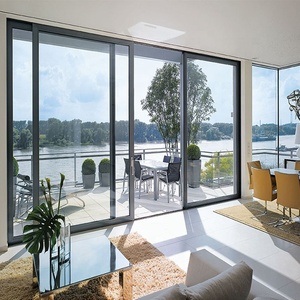
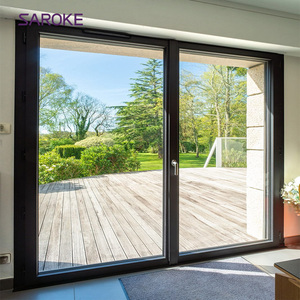
Residential Modern Soundproof Aluminum Alloy Glass Patio Sliding Door Finished Double Glazed Tempered Glass 5+ Year Warranty
Contact Us
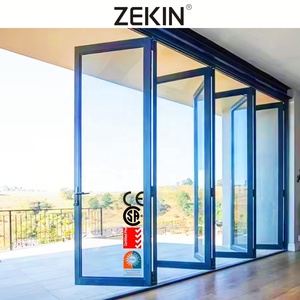
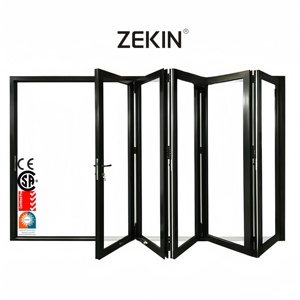
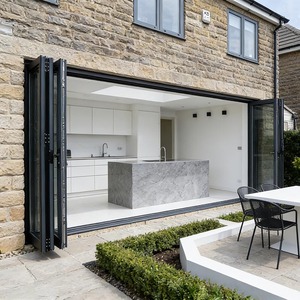
Folding Interior Door Factory Direct Sales Bi-Fold Doors Multi Panels Energy-efficient Soundproof Aluminum Bifold Glass Doors
Contact Us
High Quality Aluminum Double Glass Energy Efficient Bi-fold Doors -NFRC AS2047 Exterior Main Entrance Patio Folding Door
Contact Us
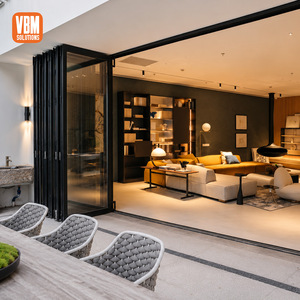
Large Opening Aluminum Accordion Glass Door Custom Folding Wall System For Luxury Villa
Contact Us
Sound Proof Interior Side Compression Aluminum Glass Sliding Door for Bedroom
Contact Us
Modern Soundproof Waterproof Aluminum Folding Sliding Glass Patio Bi-Fold Door With Thermal Insulation
Contact Us
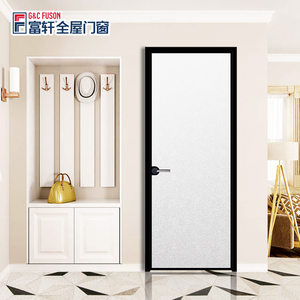
Hotel Room Glass Interior Casement Door With Lock Kitchen House Bedroom Door Office Aluminum Frame Swinging Glass Swing Door
Contact Us
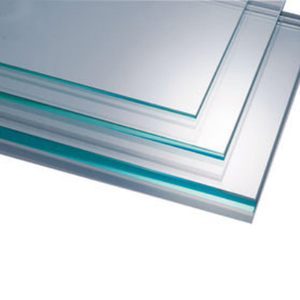
6mm 8mm 10mm 12mm 15mm Industrial Flat Top Safety Clear Tempered Glass
Contact Us
Architectural Tempered Glass Manufacturing Directive: Nordic Supply Chain Integration
Norway’s modern built environment demands unprecedented structural integrity, rigorous energy performance, and strict compliance with national building regulations (TEK17). As a leading global tempered glass factory and dedicated B2B exporter to Nordic markets, our direct-from-factory production ecosystem bridges high-precision European engineering standards with optimized industrial capacity.
Modern architectural glazing in Northern Europe must withstand extraordinary physical forces: severe wind pressure along coastal fjords (Eurocode 1 EN 1991-1-4), massive snow loads, thermal shocks exceeding 40°C delta between interior heating and external Arctic air, and rigorous impact safety benchmarks (NS-EN 12150 and NS-EN 12600). This technical whitepaper explores the material physics, manufacturing methodology, and compliance frameworks governing our direct export of tempered safety glass, double/triple insulated units (IGUs), structural frameless partitions, and thermally broken aluminium entrance systems to Norwegian main contractors, facade specialists, and architectural developers.
In-House Manufacturing Capabilities & Engineering Precision
Unlike conventional glass traders, our direct-manufacturing facility operates automated processing lines designed for zero-defect output. From float glass selection to final Heat Soak Testing (HST), every step is controlled via automated CNC machining, ensuring tight dimensional tolerances essential for high-stress Nordic building envelopes.
⚡
Convection Tempering Furnaces
Utilizing forced-convection heating technologies, our furnaces process Low-E glass without damaging delicate soft coatings. Surface compression exceeds 90–100 MPa, delivering up to 5x higher bending strength than standard annealed glass.
🛡️
Mandatory Heat Soak Testing (HST)
To eliminate the risk of spontaneous breakages caused by Nickel Sulfide (NiS) inclusions, all export-grade glass undergoes HST in according with EN 14179-1 standards, ensuring 100% structural stability for high-rise facades and overhead canopy installations.
📐
Precision CNC Edging & Drilling
Equipped with multi-axis CNC polishers and waterjet drills, we deliver flawless flat polishing, arris edging, and custom countersunk holes required for frameless structural spider fittings and heavy-duty architectural hinges.
Engineering Reality Check for Norwegian Specifiers: Roller wave distortion on tempered glass can cause severe visual warping on expansive fjord-facing glass facades. Our automated quality-control optical sensors maintain roller wave distortion below 0.05 mm, exceeding standard EN 12150 requirements and guaranteeing flawless visual clarity against low Nordic light angles.
Localized Application Environments Across Norway
Building in Norway requires an acute understanding of hyper-local climate zones—from the moisture-rich coastal breezes of Bergen to the extreme frost depth of inland Innlandet and northern Tromsø. Our glass assemblies are tailored to perform in distinct microclimates across the Kingdom.
Coastal Fjord Infrastructure & Offshore Glazing
In regions like Vestland and Møre og Romsdal, glazing faces constant saline humidity, driving rain, and wind gust pressures exceeding 3.5 kN/m². We engineer extra-heavy 10mm, 12mm, and 15mm tempered safety glass paired with marine-grade 6063-T6 anodized aluminum systems and corrosion-proof warm-edge spacers that eliminate perimeter seals breakdown.
Oslo Urban Infill & Commercial High-Rises
In urban centers such as Oslo, Bærum, and Drammen, acoustic isolation (Rw values up to 45dB) and solar heat gain control (g-value optimization) dominate project specifications. Our soundproof double and triple-glazed sliding systems feature asymmetric laminate configurations and gas-filled acoustic interlayers to hush city traffic while preserving solar warmth during winter months.
Passivhus & Sub-Zero Mountain Resorts
For alpine luxury cabins (Hytter) in Geilo or Trysil, thermal envelope performance is paramount. We manufacture argon-filled triple-glazed tempered units equipped with dual solar Low-E coatings, achieving U-values as low as 0.5 W/m²K to eliminate cold downdrafts and dramatically reduce space heating loads.
Interior Commercial & Hospitality Fit-Outs
From corporate headquarters in Lysaker to luxury boutique hotels in Trondheim, our 8mm to 12mm flat-top safety glass panels provide clean, frameless glass office partitions, sound-dampened interior compression sliding doors, and sleek glass staircase balustrades built to withstand heavy foot traffic.
Norwegian Glazing Trends & TEK17 Compliance Standards
The Norwegian construction landscape is defined by progressive environmental targets, decarbonization mandates, and strict legal codes under TEK17 (Byggteknisk forskrift). Procurement managers and general contractors are rapidly moving away from standard double glazing in favor of future-proof, high-lifecycle glass structures.
Decarbonization & EPD Transparency
Norwegian developers now demand Environmental Product Declarations (EPDs) quantifying embodied carbon. Our factory utilizes recycled cullet integration and renewable energy inputs to keep cradle-to-gate carbon metrics exceptionally low, helping contractors gain BREEAM-NOR certification points.
Structural Slim-Profile Sightlines
Architectural trends favor massive floor-to-ceiling accordion and multi-panel bi-fold glass wall systems that blur the line between indoor living space and natural fjord landscapes, requiring high structural rigidity in ultra-slim thermal aluminum profiles.
Safety & Impact Regulations
Pursuant to NS-EN 12600 glass impact standards, all low-level glazing below 800mm in Norwegian accessible zones must utilize toughened safety glass or laminated safety glass to prevent hazardous shard formation upon human impact.
Why Norwegian B2B Procurement Teams Choose Our Factory Direct Model
Exporting large-scale glass shipments to Norwegian ports (Oslo, Bergen, Larvik, Brevik) requires meticulous logistical engineering and stringent factory quality assurance.
Original Factory Advantage
- Direct Technical Control: Custom glass build-up customized precisely to structural engineer wind loads.
- Batch Finish Consistency: Qualicoat-certified powder coating and anodizing for aluminum frames matching exact RAL color codes.
- Nordic Seaworthy Packaging: Heavy-duty end-cap wooden crates lined with moisture barriers and desiccant bags to eliminate transit stain.
- Favorable Lead Time Tracking: Integrated ERP scheduling for phased, site-synchronized deliveries direct to Norwegian job sites.
Certification & Verification
- CE & EN 12150-1 Compliance: Full European standard compliance for thermally toughened soda lime silicate safety glass.
- EN 1279 Certified IGUs: Hermetically sealed double/triple glazing tested for moisture penetration and gas retention rates.
- ISO 9001 Quality Management: Rigorous inline testing covering edge quality, surface flatness, and thermal shock resistance.
- NFRC & AS2047 Options: Global thermal and structural performance rating capabilities.
Norwegian Procurement FAQ: Direct Tempered Glass Importing
Answers to common technical, logistical, and compliance questions asked by Norwegian contractors, architectural specifiers, and glass importers.
How do your tempered glass products comply with Norwegian TEK17 building standards?
Our tempered safety glass and insulated units are manufactured strictly in accordance with European Norms (EN 12150 for toughened safety glass, EN 1279 for IGUs, and EN 14179 for Heat Soak Testing). Because Norwegian TEK17 regulations adopt European Harmonized Standards, our CE-marked products directly meet all structural safety, thermal insulation (U-value), and impact safety requirements across Norway.
What heat retention (U-value) options are available for cold Nordic climates?
We offer double and triple-glazed insulated glass units (IGUs) utilizing soft-coat Low-E glass (such as Saint-Gobain Planitherm or equivalent), argon or krypton gas fills, and warm-edge composite spacers (e.g., Technoform or Swisspacer). Our triple-glazed configurations easily achieve U-values between 0.5 and 0.8 W/m²K, making them fully compliant with passive house standard requirements in Norway.
How do you prevent glass breakage from thermal shock and Nickel Sulfide (NiS) inclusions?
To prevent spontaneous fracture caused by microscopic NiS inclusions, we provide optional 100% Heat Soak Testing (HST) according to EN 14179-1. Furthermore, all glass edges are polished or arris-cut prior to tempering to eliminate micro-cracks, ensuring high resistance to extreme sub-zero thermal gradients common in Norwegian winter conditions.
What are the shipping routes, packaging protections, and lead times to Norwegian ports?
Shipments are packed in fully enclosed, customized plywood crates with shock-absorbing rubber pads, corner protectors, desiccant packs, and waterproof plastic shrink wrap. Sea freight routes direct to major Norwegian ports (Oslo, Bergen, Larvik, Kristiansand, Trondheim) typically take 25 to 35 days in transit, with total factory production turnarounds ranging from 12 to 20 days depending on project order volume.
Can you custom-fabricate complex glass shapes, cutouts, and custom powder-coated frames?
Yes. Utilizing multi-axis CNC machinery, we perform precise waterjet cutouts, hinge notches, countersunk holes, and radius shapes based on your CAD or BIM drawings. Our integrated aluminum fabrication lines provide thermal-break profiles finished in Qualicoat Class 2 powder coating or architectural anodizing, matching any standard RAL color requested.
What guarantees and warranties are provided on export glass shipments?
We supply a 5 to 10-year warranty covering seal integrity and optical clarity on insulated glass units, as well as structural warranties on tempered glass and thermally broken aluminum door/window systems against frame warping or manufacturing defects under normal operating conditions.
Ready to Request a B2B Architectural Glass Quote for Your Norwegian Project?
Get in touch with our engineering team today for technical submittals, glass U-value calculations, structural glass thickness recommendations, and competitive factory-direct export pricing tailored to Norwegian ports.
Contact Us