Precision-engineered structural aluminium fenestration certified for acoustic insulation, energy saving, and extreme weather resilience in the Indian market.
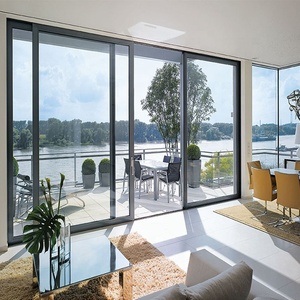
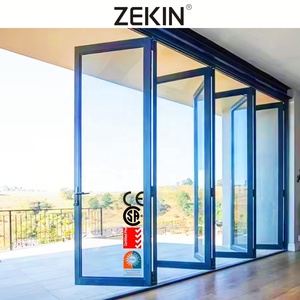
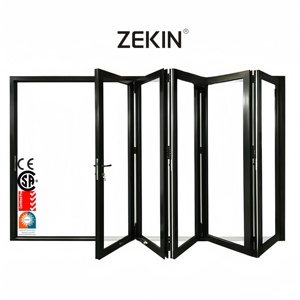
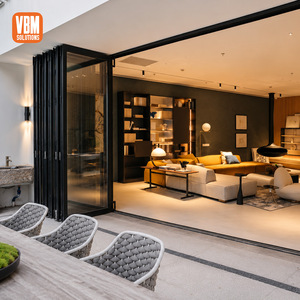
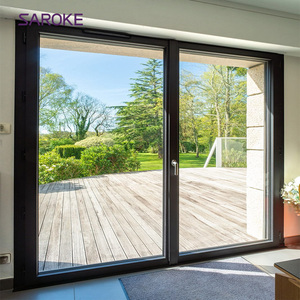
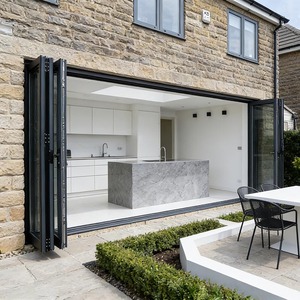
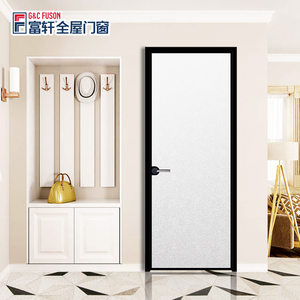
India’s rapid architectural transformation across megacities—ranging from Mumbai's coastal high-rises to Delhi NCR’s extreme temperature zones and Bengaluru’s bustling tech corridors—has radically reshaped fenestration requirements. Modern commercial and residential developments no longer treat windows and doors as simple structural openings; they are now engineered building-envelope components tasked with thermal insulation, acoustic isolation, monsoon waterproofing, and long-term structural integrity.
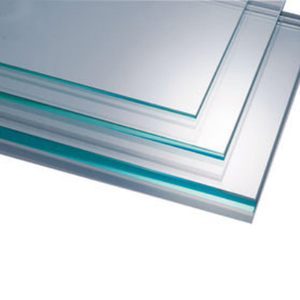
As a specialized manufacturer and global supplier of high-performance double glazed aluminium windows, we engineer fenestration systems tailored to the exact mechanical and thermal stresses of the Indian subcontinent. Utilizing 6063-T6 architectural aluminium alloy profiles, PA66 GF25 polyamide thermal barriers, and hermetically sealed double-glazed insulated units (IGU) filled with argon gas, our product lines set the benchmark for modern green building projects.
India presents a highly complex meteorological landscape. Fenestration systems installed in India must withstand extreme heat variations, salt-air corrosion, high-velocity monsoonal rains, and dense urban acoustic pollution. Below is a structural analysis of how our double glazed aluminium window and door systems are localized for Indian application scenarios:
Climatic Stressors: Severe wind-driven rain, high atmospheric humidity, and aggressive salt spray acceleration.
Engineered Solution: Double glazed sliding and bi-fold doors fitted with multi-stage EPDM compression seals and pressure-equalized internal drainage tracks. Profile framing undergoes 25-micron anodization or Qualicoat Class 2 fluorocarbon coating to prevent filiform corrosion, ensuring structural performance under wind pressures up to 3000 Pa (matching IS 875 Part 3 standards).
Climatic Stressors: Summer ambient temperatures exceeding 45°C, high solar radiation, and extreme diurnal thermal expansion.
Engineered Solution: Multi-cavity thermal break aluminium profiles integrated with 24mm PA66 GF25 polyamide strips. Paired with Low-E double glazing (6mm Clear + 12mm Argon Gap + 6mm Low-E Glass), solar heat gain coefficients (SHGC) are reduced to below 0.30, drastically lowering indoor air conditioning loads in luxury real estate developments.
Climatic Stressors: Continuous decibel peaks (75 dB+) from heavy vehicular traffic, metro lines, and urban density.
Engineered Solution: Soundproof interior and exterior double glazed windows employing asymmetric glass combinations (e.g., 6mm toughened outer pane + 12mm acoustic spacer + 8mm laminated PVB inner pane). This configuration breaks sound wave resonance, delivering an Sound Transmission Class (STC) rating of up to 45 dB.
Climatic Stressors: Extreme structural deflection forces at heights above 100 meters, requiring high safety factors.
Engineered Solution: Heavy-wall structural aluminium extrusions (profile thickness 2.0mm–3.0mm) equipped with stainless steel friction stays, anti-misoperation hardware, and multi-point perimeter locking bolts. Certified to resist severe wind load deflections without seal degradation.
Understanding the measurable parameters of building fenestration is vital for project consultants, MEP engineers, and developers. Below is an engineering data comparison between traditional window frames and our Thermal Break Double Glazed Aluminium Systems:
| Performance Specification | Single Glazed Standard Aluminium | Standard UPVC Frame (Double Glazed) | Engineered Thermal Break Double Glazed Aluminium |
|---|---|---|---|
| U-Value (Thermal Transmittance) | 5.8 W/m²K (High heat gain) | 2.2 W/m²K (Moderate heat gain) | 1.4 - 1.8 W/m²K (Superior energy insulation) |
| Acoustic Insulation (STC Rating) | 22 - 26 dB (Minimal damping) | 32 - 36 dB (Moderate isolation) | 40 - 45 dB (Maximum soundproofing) |
| Structural Wind Load Capacity | 1200 Pa (Prone to flexing) | 1500 Pa (Requires steel reinforcement) | Up to 3000 Pa (High-rise architectural rating) |
| UV & Thermal Weathering | Resistant, but high heat transfer | Risk of yellowing & embrittlement over time | Qualicoat Powder Coated: Zero fading or warping |
| Monsoon Watertightness | Basic weep holes (Risk of backflow) | Standard gasket (Potential joint leakage) | Pressure-equalized multi-chamber drainage |
The Indian fenestration landscape is undergoing a structural displacement. Historically, UPVC held market share in mass housing due to cost considerations. However, modern tier-1 real estate developers (such as those in Mumbai, NCR, Bengaluru, and Hyderabad) are rapidly transitioning back to Architectural Aluminium Systems for several crucial technical reasons:
Backed by over 12 years of specialized architectural fabrication, our state-of-the-art manufacturing facility operates under rigorous international quality controls. We manage the full manufacturing lifecycle in-house—from profile extrusion and precision CNC machining to double-glazing lamination and final assembly.
Fully automated multi-axis CNC cutting and milling ensures zero-tolerance corner jointing, precision hardware mortising, and flawless gasket fitment across large-volume B2B orders.
Every window batch undergoes rigorous laboratory testing for air permeability (EN 12207), watertightness (EN 12208), structural wind load resistance (EN 12210), and acoustic isolation.
We provide full B2B export logistics management to major Indian sea ports including Nhava Sheva (Mumbai), Mundra, Chennai, and Kolkata, packed in heavy-duty steel-reinforced ISPM-15 wooden crates.
Below are authoritative answers to common procurement, compliance, and installation questions raised by Indian architects, general contractors, and real estate developers:
Our double glazed aluminium windows are designed and manufactured to meet or exceed IS 875 (Part 3) for wind pressure resistance, IS 2553 for safety glass toughening, and the Energy Conservation Building Code (ECBC) specified by India's Bureau of Energy Efficiency (BEE).
We export under standard Incoterms (CIF, FOB, or DDP). We furnish all necessary documentation including Commercial Invoice, Packing List, Country of Origin Certificate, Bill of Lading, and Test Certificates required for smooth custom clearance at Indian sea ports under HS Code 76101000.
Non-thermal break aluminium frames act as thermal bridges, directly conducting intense external summer heat into air-conditioned spaces. Thermal break profiles feature a polyamide barrier that isolates the exterior and interior aluminium sections, cutting heat transfer by up to 60%.
Yes. Our systems feature multi-chamber internal weep holes, continuous EPDM weather-stripping, and pressure-equalized sill tracks that prevent water back-siphonage even during severe monsoon storms exceeding 150 mm/hr rainfall and high wind pressure.
We integrate hardware from top global brands (such as Siegenia, Hoppe, and Kin Long) including multi-point locks, heavy-duty rollers, and friction hinges. Surface finishes include Qualicoat Class 2 powder coating, PVDF coatings, anodizing, and realistic wood-grain sublimation.
Shop drawings are finalized within 3–5 days. Factory fabrication typically requires 2 to 3 weeks depending on order volume, while ocean freight transit to major western/eastern Indian ports takes approximately 10 to 14 days.
Partner directly with a certified manufacturer for your high-rise, commercial fit-out, or luxury residential project. Receive custom CAD shop drawings, technical specifications, and factory-direct wholesale pricing.
Get Catalog