Direct factory supply of curtain wall infills, thermal break doors, bi-fold systems, and architectural safety glass engineered for commercial, luxury residential, and urban retrofit projects in Spain.
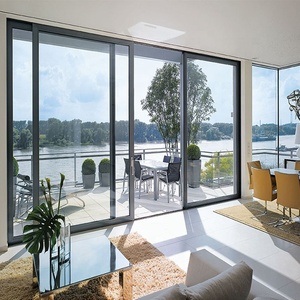
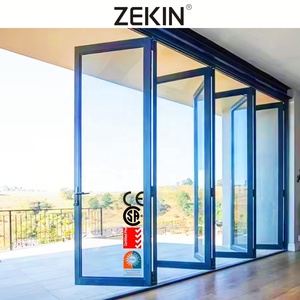
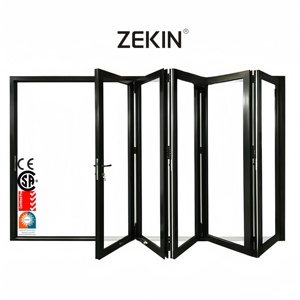
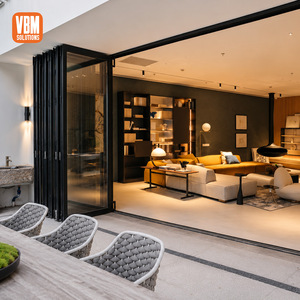
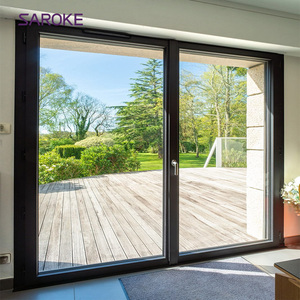
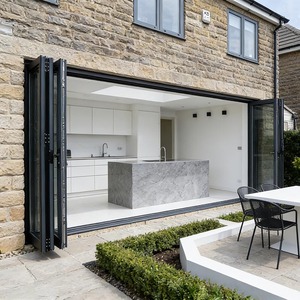
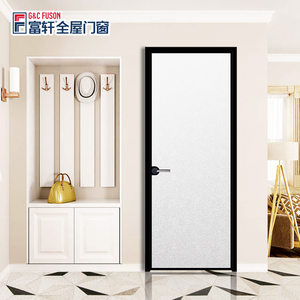
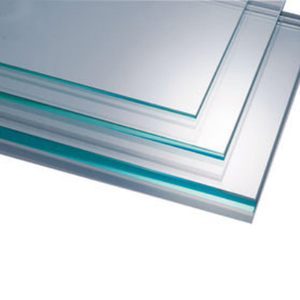
An in-depth guide to structural glazing, stick and unitized curtain walls, thermal efficiency regulations (CTE DB-HE), and salt air corrosion resistance in Mediterranean coastal developments.
Designing and manufacturing facade envelope systems for Barcelona and the wider Catalonia region requires balancing intense solar irradiance, high atmospheric salinity (C5-M corrosion rating along coastal strips like Poblenou and Diagonal Mar), and strict European energy performance standards. As a premier curtain wall factory and direct exporter, our systems are engineered using extruded aluminum alloys 6063-T6 with polyamide (PA66GF25) thermal break strips up to 34mm in depth.
To comply with the Spanish Código Técnico de la Edificación (CTE)—specifically document DB-HE (Ahorro de Energía)—building envelopes must achieve low thermal transmittance values ($U_{cw}$) to minimize mechanical cooling demand during scorching Mediterranean summers and retain interior thermal equilibrium during mild, humid winters.
| System Type | Thermal Transmittance ($U_{cw}$) | Acoustic Rating ($R_w$) | Wind Load Resistance | Ideal Barcelona Application |
|---|---|---|---|---|
| Unitized Curtain Wall | 0.8 - 1.2 W/m²K | 42 - 48 dB | Up to 3.5 kPa (Design) | 22@ Innovation District, High-Rise Towers |
| Stick Curtain Wall (Mullion-Transom) | 1.1 - 1.5 W/m²K | 38 - 44 dB | Up to 2.5 kPa | Commercial Retrofits, Low-Rise Modernista Infill |
| Point-Supported Structural Glazing | 1.3 - 1.8 W/m²K | 35 - 40 dB | Up to 2.0 kPa | Atriums, Hotel Lobbies, Passeig de Gràcia Retail |
| Thermally Broken Window Wall | 1.0 - 1.4 W/m²K | 40 - 45 dB | Up to 2.2 kPa | Eixample Residential Renovations, Villa Developments |
Our engineering matrix integrates double and triple insulated glass units (IGU) featuring soft-coat Low-E coatings, argon gas fills (90%+ concentration), and warm-edge spacer technology. This guarantees Solar Heat Gain Coefficients (SHGC / g-value) as low as 0.24, drastically reducing peak solar heat transfer without sacrificing natural daylighting transmittance ($T_L \ge 65\%$).
Barcelona’s urban fabric is a sophisticated mix of historic 19th-century Cerdà-grid blocks in Eixample, ultra-modern tech hubs in the 22@ district, and luxury coastal residences stretching toward Sitges and Badalona. Each micro-environment poses distinct engineering challenges:
Exporting facade solutions into Spain demands strict adherence to European standards and local building codes. All curtain wall products fabricated in our facilities undergo rigorous third-party testing according to UNE-EN 13830 (Curtain walling - Product standard) covering:
Every shipment bound for the Port of Barcelona includes complete CE Marking documentation, Declaration of Performance (DoP), factory production control (FPC) logs, and mill test certificates for aluminum extrusions and structural silicone adhesives (Dow Corning / Sika certified).
How progressive European sustainability goals, decarbonization targets, and architectural innovations are shaping modern curtain wall specification in Spain.
Nearly Zero-Energy Buildings (nZEB) are now mandatory for new public and private construction across Catalonia. Facades are evolving into active thermal barriers utilizing multi-cavity thermal break extrusions, triple glazing, and vacuum glass inserts to drive total U-values down to passive house standards (≤ 0.8 W/m²K).
With Barcelona receiving over 2,500 hours of sunshine annually, modern commercial curtain walls are increasingly integrating thin-film or crystalline BIPV spandrel glass panels. These transform non-vision facade zones into clean power generators while shading interior spaces.
Driven by LEED v4.1 and BREEAM certifications in Spanish commercial developments, developers require EPD (Environmental Product Declaration) certified aluminum profiles manufactured using clean energy with a high recycled content (≥ 75% post-consumer aluminum scrap).
Integrated manufacturing, custom engineering support, end-to-end quality assurance, and seamless logistics directly from our production floor to your jobsite in Spain.
Equipped with 5-axis CNC machining centers, automated double-head cutting saws, and robotic corner crimping lines. We maintain cutting tolerances within ±0.2mm, ensuring seamless jobsite assembly and perfect gasket compression.
Our dedicated engineering team collaborates directly with Barcelona architects, structural consultants, and facade engineers. We provide detailed BIM Level 2 (Revit) models, thermal finite element analysis (THERM/WINDOW), and structural wind load calculations.
Glazing units and prefabricated unitized panels are packed in heavy-duty steel A-frame racks or ISPM-15 compliant fumigated timber crates. Plastic shrink wrapping and desiccant gel packs protect powder-coated surfaces against ocean transit humidity.
Direct technical answers regarding import processes, certification compliance, shipping lead times, and structural options for facade procurement in Spain.
Yes. Our engineering department customizes glass and aluminum configurations to meet or exceed CTE DB-HE requirements. We issue localized calculation reports verifying thermal transmittance ($U_{cw}$), solar heat gain coefficients ($g$-value), and condensation risk mitigation under specific Spanish climate zone parameters (Zone C2 for Barcelona coastal area).
We export regularly via FCL (Full Container Load) direct shipping routes from our port facilities to the Port of Barcelona (Puerto de Barcelona). For unitized facade panels, we utilize open-top or high-cube containers with custom steel stillages. We provide full customs documentation, HS coding, bill of lading, and certificate of origin to facilitate smooth clearance through Spanish customs.
We recommend Qualicoat Seaside Class 2 architectural powder coatings (with fluoropolymer or super-durable polyester resin) or Class 25 (25 micron) anodized finishes. These surface treatments undergo 2,000+ hours of neutral salt spray testing (ISO 9227), preventing filiform corrosion and color fading caused by intense ultraviolet exposure along the coast.
Absoutely. We fabricate unitized systems with concealed parallel-opening or top-hung structural glazed vents. These openable inserts maintain a seamless exterior glass plane without visible outer aluminum framing, maintaining a uniform facade aesthetic while supporting natural ventilation.
Standard fabrication lead time is 4 to 6 weeks following shop drawing approval and physical sample sign-off. Maritime transit from our export port to Barcelona typically takes 22 to 28 days. For urgent structural infill projects, we offer expedited production schedules and phased container shipments matched to your installation sequence.
Yes. Our engineering division provides structural structural calculations (deflection limits under $L/200$ or $L/300$ according to EN standards), glass stress analysis, thermal break performance models, and native Revit BIM files tailored to your project’s specific architectural grid.
We provide a comprehensive 10-year factory warranty covering aluminum structural integrity, powder coat finish adhesion, and insulated glass hermetic seals (anti-fogging/desiccant failure). Hardware accessories carry 5-year to 10-year commercial duty cycle guarantees.
Request our comprehensive Architectural Curtain Wall & Aluminum Systems Specification Engineering Catalog. Access CAD details, thermal calculation reports, and direct factory quotation pricing.