Certified architectural systems designed for maximum ventilation, acoustic isolation, and DIN EN 12207 Class 4 air tightness compliance.
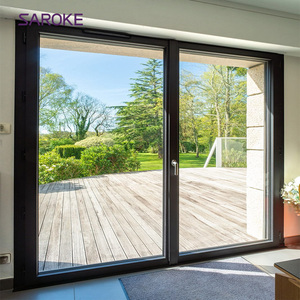
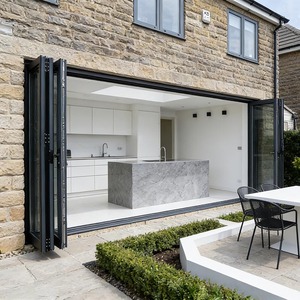
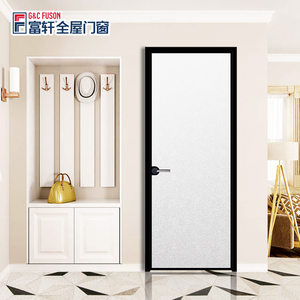
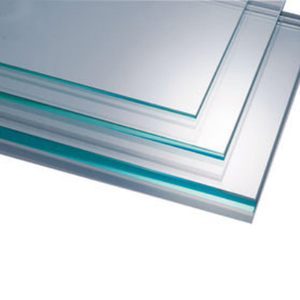
A comprehensive analysis of thermal break engineering, compliance with Gebäudeenergiegesetz (GEG 2023), and weatherproofing under Central European climatic loads.
Under Germany’s updated Gebäudeenergiegesetz (Building Energy Act), modern facade openings must achieve total heat transfer coefficients (U-values) as low as Uw ≤ 1.1 W/(m²·K) to Uw ≤ 0.9 W/(m²·K). China's leading louvre manufacturers utilize multi-chamber aluminium profiles insulated with 24mm to 34mm polyamides, effectively breaking thermal bridges and preventing condensation risk during severe sub-zero winters in regions like Bavaria and Saxony.
The primary barrier to traditional louvre adoption in Central Europe has historically been air infiltration. Modern manufacturing processes incorporate continuous dual-component EPDM weather strips along blade edges and vertical jamb channels. This achieves Air Permeability Class 4 under DIN EN 12207 and Driving Rain Resistance Class 9A (600 Pa) under DIN EN 12208, safeguarding interior finishes from torrential Atlantic storm fronts.
German commercial architecture prioritizes night-purge natural ventilation to minimize cooling power usage. Advanced Chinese manufacturers supply 24V DC motorized actuators pre-calibrated for KNX, Modbus, and BACnet building management systems (BMS). This allows louvre blades to automatically adjust pitch according to real-time CO2 sensors, wind velocity meters, and indoor enthalpy metrics.
Custom-engineered louvre facade configurations engineered for regional climate characteristics, building typologies, and municipal codes.
In Germany's financial centers, high-rise commercial structures utilize automated double-skin glass louvre facades. By installing thermal break motor-operated glass louvre units on the outer skin, building engineers achieve natural cross-ventilation during spring and autumn without triggering turbulent draft forces inside open-plan offices. The inclusion of solar-control Low-E glass reduces total solar heat gain coefficient (g-value) to under 0.28, dramatically lowering summer air conditioning loads.
Residential apartment blocks constructed under strict Passive House standards in Southern Germany require controlled air exchange without sacrificing the thermal envelope. Triple-glazed louvre windows featuring warm-edge spacers (Swisspacer) and krypton gas fills are utilized in stairwells, wintergardens (Kaltwintergarten), and residential facades. Integrated insect screens (mesh 1.2mm x 1.4mm in stainless steel 316) protect against summer pests while supporting natural night cooling.
In the North Rhine-Westphalia industrial belt, high-capacity ventilation is essential for thermal management inside manufacturing plants and automated warehouses. Heavy-duty extrusions with extruded aluminium louvre blades provide maximum free vent area (up to 82% open area) while providing robust intrusion protection (Resistance Class RC2/RC3 according to DIN EN 1627). Automated smoke and heat exhaust ventilation systems (SHEV / RWA according to DIN EN 12101-2) are directly integrated into emergency safety protocols.
Indoor aquatic facilities represent extreme environments characterized by elevated humidity (80% RH+) and chlorine vapors. Chinese manufacturers supply specialized anodized aluminum louvre systems (25-micron anodic coat) or Qualicoat Class 2 powder coatings combined with 10mm to 15mm toughened safety glass blades. This prevents surface corrosion, frame blistering, and structural degradation caused by chemical moisture attack.
How strict European environmental policies and smart home adoption drive demand for China-manufactured precision louvre systems.
German housing standards dictate mandatory ventilation concepts (Lüftungskonzept) for both new builds and major window renovation projects. Louvre windows provide regulated background ventilation without requiring energy-consuming mechanical heat recovery units in non-critical zones, reducing installation capital expenditure for property developers.
Under DGNB (Deutsche Gesellschaft für Nachhaltiges Bauen) and LEED green building certification schemes, structural materials require Environmental Product Declarations (EPD). China's leading exporters utilize 100% recyclable 6063 aluminium alloys and low-carbon smelting processes to ensure compliance with European carbon boundary adjustments (CBAM).
Urban infill development along major German transport corridors (Einsatz an Hauptverkehrsstraßen) requires elevated acoustic performance. Laminated acoustic glass (PVB/Acoustic interlayers) integrated within louvre frames mitigates low-frequency traffic rumble while permitting emergency and purge ventilation.
Engineering benchmark comparison validating compliance with DIN EN 14351-1 product standard for windows and external doors.
| Performance Characteristic | DIN / EN Standard Test Method | German GEG Target Requirement | China Manufacturer Specification |
|---|---|---|---|
| Thermal Transmittance (Uw) | DIN EN ISO 10077-2 | ≤ 1.3 W/(m²·K) (Standard) ≤ 0.8 W/(m²·K) (Passive) |
0.85 – 1.2 W/(m²·K) (PA66 GF25 + Triple Glazing) |
| Air Permeability | DIN EN 12207 | Class 3 or Class 4 | Class 4 (600 Pa test pressure with dual EPDM) |
| Watertightness | DIN EN 12208 | Class 7A to Class 9A | Class 9A / E750 (750 Pa rain pressure resistance) |
| Wind Load Resistance | DIN EN 12210 | Class C3 to Class C5 | Class C5 / B5 (P3 = 2000 Pa design wind pressure) |
| Sound Insulation (Rw) | DIN EN ISO 717-1 | 35 dB – 45 dB (Urban zones) | Up to 42 dB (Laminated 6mm+1.52PVB+6mm Glass) |
| Burglar Resistance | DIN EN 1627 | RC2 / RC3 (Ground Floor) | RC2 Compliant (Multi-point gear locks & tempered glass) |
Direct from our state-of-the-art extrusion, CNC machining, glass processing, and assembly facilities to project sites across Europe.
Equipped with 5-axis German CNC milling centers and precision double-head cutting saws. Profile tolerances are maintained within ±0.2mm, ensuring perfect miter joints, thermal strip crimping, and effortless site assembly for custom architectural dimensions.
Our autonomous horizontal glass tempering lines produce safety glass complying with DIN EN 12150-1 and HST (Heat Soak Testing according to DIN EN 14179) to eliminate spontaneous breakages caused by nickel sulfide inclusions in high-rise applications.
Surface treatments feature Swiss and German powder systems guaranteeing zero fading or chalking under intense solar UV radiation. Options include RAL metallic finishes, architectural bronze anodizing (up to 25 microns), and sublimated wood-grain aesthetics.
Direct technical answers addressing international freight, CE marking, customs clearance, and system compatibility.
Our architectural louvre systems undergo rigorous type testing (Initial Type Testing - ITT) through accredited third-party international laboratories (such as TÜV Rheinland and Intertek). We issue complete Declarations of Performance (DoP) detailing air permeability, watertightness, wind resistance, and thermal transmittance values. Every shipment includes factory production control (FPC) documentation compliant with European CPR (Construction Products Regulation No 305/2011).
Yes. By utilizing multi-cavity thermal break extrusions fitted with 24mm to 34mm PA66 GF25 polyamides, insulated warm-edge spacers, and double/triple Low-E glass combinations filled with 90% Argon gas, our louvre window systems achieve total frame and glass values down to Uw = 0.85 W/(m²·K), making them fully suitable for German KfW Efficiency House 40 and 55 standards.
Our engineered louvre systems employ a multi-stage drainage design featuring hidden internal condensation channels, stepped sill profiles, and continuous vulcanized EPDM seal gaskets at blade overlaps. Tested according to DIN EN 12208, our high-tier louvre series withstand static test pressures up to 750 Pa (Class E750/9A) without a single drop of water penetrating the interior boundary.
We supply integrated 24V DC or 230V AC linear chain or spindle actuators manufactured by top global suppliers or our certified OEM partners. These actuators feature built-in stroke limits, overload protection, and dry-contact or bus interfaces. They connect seamlessly with standard KNX glass actuators, weather stations, and emergency smoke extraction (RWA) control panels.
Standard fabrication time for customized CAD/BIM approved shop drawings takes 25 to 35 business days depending on volume and finish complexity. Sea freight transit from Ningbo/Shanghai port to Hamburg or Bremerhaven typically ranges from 28 to 35 days. We provide complete DDP (Delivered Duty Paid) or CIF logistics management, including customs clearance, EORI registration validation, and direct truck transport to your construction site in Germany.
Products are packed using fully enclosed ISPM-15 compliant fumigation-free plywood crates. Windows are wrapped in protective polyethylene films, corner-armored with heavy-duty EPE foam buffers, and separated by cork shock-absorption pads. Metal strapping secures crates within shipping containers, ensuring zero movement during ocean transport.
Yes. Our dedicated technical engineering department provides 2D DWG detail drawings, 3D Revit BIM family models (LOD 300/350), thermal simulation reports (LBNL THERM modeling), and full structural wind load calculation sheets tailored to your specific project height and wind zone (Windzone 1–4 in Germany according to DIN EN 1991-1-4).
Absolutely. We offer complete color matching according to the international RAL Classic shade system, including matte, fine-texture (Feinstruktur), satin, and high-gloss finishes using certified Qualicoat Class 2 outdoor architectural powders (such as AkzoNobel or Tiger Drylac).
Contact our technical sales engineers today to receive comprehensive structural submittals, BIM files, product samples, and competitive factory-direct pricing for your tender.