Engineered to rigorous CE Standards (EN 14351-1) and JIS testing protocols, optimized for thermal performance, seismic displacement, and structural durability in Nagoya's diverse climate zones.
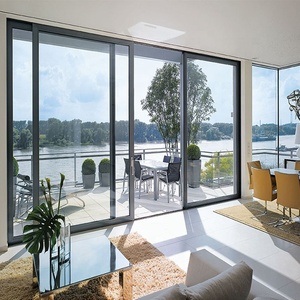
Thermal break aluminium frame with double-glazed tempered glass, engineered for high acoustic isolation and weatherproofing in modern Nagoya homes.
Get Catalog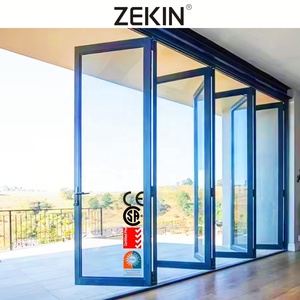
Factory-direct multi-panel exterior and interior bi-fold doors featuring heavy-duty top tracks, tight rubber seals, and slim architectural sightlines.
Get Catalog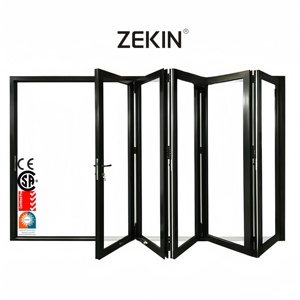
Double glass insulated patio folding door system certified for high wind pressure rating and thermal protection in coastal urban environments.
Get Catalog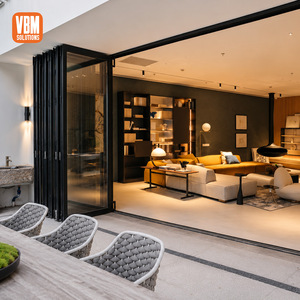
Floor-to-ceiling bespoke glazed folding wall systems for luxury Nagoya villas, incorporating multi-point stainless steel locking hardware.
Get Catalog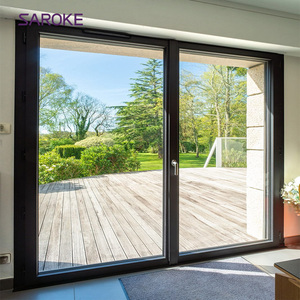
Precision-engineered side-compression sliding system offering superior noise reduction (Rw > 38dB) for residential bedrooms and urban spaces.
Get Catalog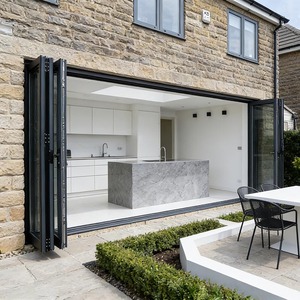
Advanced polyamide thermal break technology paired with EPDM gasket systems to withstand intense typhoon rain and freezing temperatures.
Get Catalog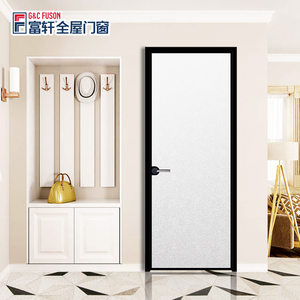
Sleek interior and exterior casement systems equipped with commercial-grade lever locks, concealed hinges, and laminated safety glass.
Get Catalog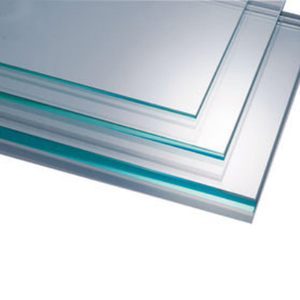
Custom-cut heat-strengthened tempered safety glass for curtain walls, storefronts, and high-load casement window assemblies.
Get CatalogAs the industrial heartland of Aichi Prefecture, Nagoya presents a unique architectural landscape. From high-density commercial developments surrounding Meieki and Sakae stations to coastal logistics complexes along Nagoya Port and eco-conscious residential neighborhoods in Chikusa Ward, structural building envelope components must satisfy uncompromising performance benchmarks. Standard off-the-shelf fenestration systems often fail to navigate the dual challenges of Japan’s intense seasonal climate shifts and stringent regional building regulations.
For Japanese architects, main contractors (General Contractors / Super-Zenecon), and commercial real estate developers sourcing fenestration products internationally, selecting a certified manufacturer of aluminium casement windows requires examining both structural integrity and manufacturing transparency. Our manufacturing facilities produce CE-marked (EN 14351-1) aluminium casement windows, tilt-and-turn windows, and structural curtain wall systems engineered specifically to harmonize with Japanese Building Standard Law requirements and local environmental stressors.
To ensure effortless integration into Japanese construction projects, our CE-certified aluminium casement window series undergo rigorous third-party testing. Below is an engineering comparison showing how our structural extrusion designs satisfy both European Union (EN) benchmarks and Japanese Industrial Standards (JIS A 4706):
| Performance Parameter | CE Certification Standard | Tested Value / Specification | JIS A 4706 Equivalent Class |
|---|---|---|---|
| Structural Wind Load | EN 12210 | Class C5 / P3 = 3000 Pa (Deflection < 1/300) | Class S-6 to S-7 (High Wind Pressure) |
| Water Tightness | EN 12208 | Class E1050 (1050 Pa static water pressure) | Class W-5 (Typhoon Rain Resistance) |
| Air Infiltration | EN 12207 | Class 4 (0.65 m³/h·m² at 100 Pa) | Class A-4 (Hermetic Airtightness) |
| Thermal Transmittance (U-Value) | EN ISO 10077-2 | Uw = 1.1 - 1.4 W/m²K (Triple/Double Glazed) | Grade 5/6 Energy Efficiency Standard |
| Acoustic Isolation | EN ISO 140-3 | Rw = 38 dB - 44 dB (With soundproof glass) | Class T-3 to T-4 Acoustic Shielding |
Our OEM/ODM manufacturing facilities combine European thermal break extrusion technology with high-precision Japanese hardware compatibility. Every aluminium casement window shipped to Nagoya is built with targeted structural adaptations:
Utilizes 24mm to 34mm structural polyamide multi-cavity thermal barrier strips reinforced with 25% glass fiber, completely eliminating thermal bridging across the frame profile during hot Nagoya summers and icy winter winds.
Designed with dynamic silicone glazing pockets and flexible EPDM gaskets certified to absorb inter-story seismic drift displacement (1/100 to 1/200 radian) during Nankai Trough earthquake forces without glass shattering or frame binding.
Finished with fluorocarbon PVDF painting or Qualicoat Class 2 / Seaside anodization (25-micron thickness), protecting exterior aluminium frames from saline sea spray, industrial smog, and UV-induced chalking along Nagoya's port area.
Sourcing aluminium casement windows for international export requires matching the precise usage conditions of Nagoya’s urban master plans. Below are primary project applications where our manufactured windows excel:
In narrow urban lots characteristic of central Nagoya, outward-opening or tilt-and-turn casement windows maximize natural cross-ventilation while occupying zero interior floor space. Combined with triple-pane Low-E insulated glass units (IGU) containing argon gas fill, these casements block up to 78% of solar heat gain while dampening street noise from urban arterial roads like Taiko-dori and Hirokoji-dori.
Commercial marine developments facing Ise Bay suffer constant salt-spray exposure and intense wind updrafts. Our heavy-duty aluminium casement profiles feature solid 6063-T6 or 6060-T6 architectural alloy frames with reinforced corner cleats and stainless steel 304 friction stays. This prevents frame warping, air leakage, and hardware rusting over decades of continuous operation.
Modern luxury villas in Nagoya demand narrow-frame architectural sightlines paired with automated smart lock integration. Our slim casement series features concealed hinges, multi-point shootbolt locking hardware, and custom wood-grain powder-coated finishes that mimic traditional Japanese cedar while delivering modern fire-resistant and rot-proof structural longevity.
Upgrading aging hotel properties requires fast installation without disrupting building occupancy. Our customized pre-engineered sub-frame attachment systems allow quick retrofitting over existing window perimeters, meeting strict Japanese fire escape regulations and acoustic insulation targets (T-3 grade) for seamless guest comfort.
In line with Japan's national target to achieve net-zero carbon emissions by 2050, the City of Nagoya has enacted aggressive environmental regulations. Under the updated Nagoya Eco-Building Plan, new residential and commercial structures must drastically lower carbon footprints across their building lifecycle.
Achieving ZEB-Ready or ZEB-Primary rating requires building envelopes with ultra-low thermal transmittance. By utilizing secondary recycled low-carbon primary aluminum billet combined with warm-edge glass spacers and argon-filled Low-E coating technology, our casement windows achieve overall window U-values down to 1.1 W/m²K, directly reducing building HVAC electrical loads by up to 35% annually.
Aluminum is infinitely recyclable without structural degradation. Our factory utilizes up to 80% recycled post-industrial aluminum scrap in non-structural extrusion profiles, backed by Environmental Product Declarations (EPD). This allows general contractors in Nagoya to earn critical LEED v4 and CASBEE (Comprehensive Assessment System for Built Environment Efficiency) credit points.
Operating a world-class manufacturing base spanning extensive automated assembly workshops, our company brings over 12 years of specialized architectural aluminum and glass fabrication experience. We maintain total vertical integration—from CAD/BIM shop drawing generation to automated profile extrusion, CNC machining, thermal break crimping, double-glazing line assembly, and packaging.
5-axis automated CNC milling centers ensure lock mortises, hinge cutouts, and corner miters maintain tight tolerances under ±0.2mm, ensuring air-tight assembly.
In-house tempering, laminated safety glass production, and automated double-glazed unit lines ensure glass flatness, clean argon filling, and zero seal failures.
Dedicated architectural engineering office providing BIM (Revit/LOD 350) models, structural wind load calculation reports, and custom sub-frame detail drawings.
Our CE certification (EN 14351-1) provides a comprehensive baseline for structural wind pressure, water tightness, and air permeability. For Japanese projects, we supply third-party laboratory test reports cross-referenced with JIS A 4706 performance classes. This enables general contractors and certified building inspectors in Nagoya to verify compliance seamlessly during the plan notification (Kenchiku Kakunin) review process.
Production lead time for standard anodized or powder-coated custom casement window packages is typically 20 to 30 calendar days following shop drawing sign-off. Direct sea freight container transit from our export port to the Port of Nagoya (Aichi Prefecture) takes approximately 7 to 12 days, depending on shipping line schedules. Express air freight is also available for urgent sample mock-ups.
Yes. We produce custom anodized and powder-coated architectural finishes tailored specifically to the Japanese architectural market, including standard Japanese finishes such as Champagne Gold, Metallic Bronze, Matte Black, Natural Silver, and Dark Brown. All finishes are weather-tested against intense marine humidity and UV degradation.
All finished window frames and glass assemblies are packed using heavy-duty export-grade wooden crates (ISPM 15 heat-treated/fumigated timber). Frames are individually wrapped in protective PE shrink film, corner guards, and corrugated shock-absorbing board. Glass units utilize rubber spacer pads and steel strapping within fumigation-free plywood boxes to guarantee zero breakage during sea transport.
We configure our casement windows with top-tier international and Japanese hardware systems, including Siegenia, Hoppe, Roto, and Savio multi-point locking hardware, as well as Japanese hardware brand compatibility (such as Kinbao / Shimane locks). Hardware selection can be customized based on project specification documents.
Yes. For commercial tenders and large-scale residential developments in Nagoya, we manufacture corner profile cutaway samples, full-scale operational window mock-ups, and sample finish swatches complete with engineering submittal binders to assist contractors during client presentations.