Precision-crafted aluminum windows combining high thermal insulation, hurricane-grade wind pressure resistance, and airtight sealing tailored for Japanese residential and commercial projects.
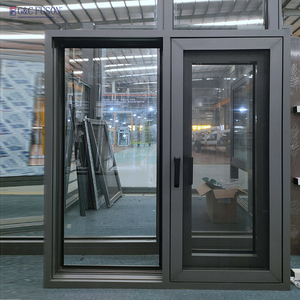
Engineered with high-density polyamide thermal barrier strips and argon-filled double/triple glazing. Ideal for northern Japan's cold climate performance requirements.
Send an Inquiry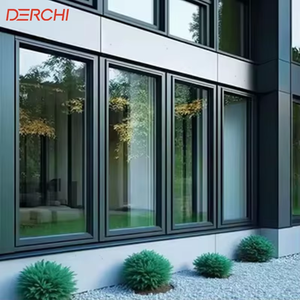
Built to withstand severe typhoon wind pressures (S-7 grade). Features multi-point perimeter locking hardware and EPDM weather-strip seals.
Send an Inquiry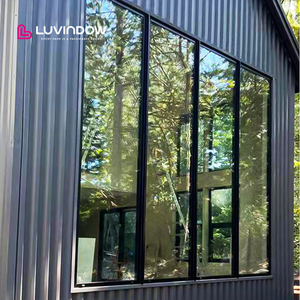
Maximizes natural illumination while maintaining extreme thermal values (U-value ≤ 1.1 W/m²K). Suitable for modern Japanese minimalist architectural villas.
Send an Inquiry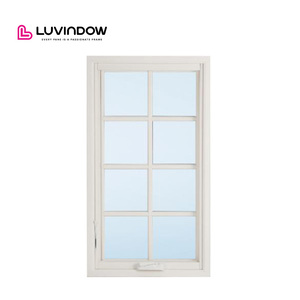
Smooth roto-crank operation design allowing easy interior cleaning and precise micro-ventilation control for compact urban residential layouts.
Send an Inquiry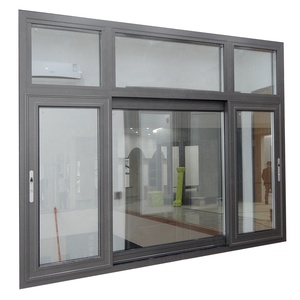
Reinforced structural aluminum profile profiles with PVB laminated safety glass to provide acoustic isolation (35dB+ reduction) and impact resistance.
Send an Inquiry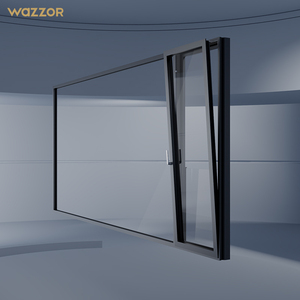
Heavy-wall 6063-T6 aluminum extrusion alloy system certified for coastal wind load resistance, preventing water ingress under driving rainstorm pressure.
Send an Inquiry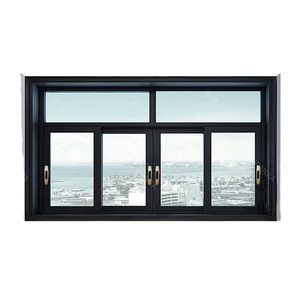
Sleek, low-profile frames providing unobstructed panoramic viewports, tailored for luxury boutique hospitality developments and high-end residential towers.
Send an Inquiry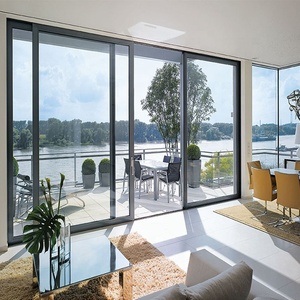
Premium fluorocarbon (PVDF) surface coating delivering long-term resistance to salt air corrosion, fading, and intense summer UV radiation.
Send an InquiryNavigating Japan's stringent Building Standard Law (BSL), JIS certifications, and environmental decarbonization targets (ZEH/ZEB).
For Japanese architects, general contractors (ゼネコン - Zenekon), and residential developers, fenestration products must satisfy stringent Japanese Industrial Standards (JIS A 4706). Our custom casement windows are engineered with primary 6063-T6 architectural aluminum profiles, offering structural deflection thresholds that easily exceed local building codes. Multi-chamber profile designs handle thermal movement while reinforcing frame stability against extreme seismic shocks.
Japan faces an average of 25 typhoons annually, causing heavy lateral wind pressure and driving torrential rain. Our casement series incorporates stepped inner drainage channels, concealed weep holes with anti-backflow valves, and continuous triple EPDM gasket seals. This multi-barrier construction prevents water infiltration even when static water head pressure reaches severe typhoon conditions (W-5 rating under JIS standards).
Under Japan’s Ministry of Land, Infrastructure, Transport and Tourism (MLIT) roadmap, all new house constructions aim to meet ZEH energy standards. By utilizing engineered Polyamide PA66 thermal breaks between exterior and interior aluminum profiles, combined with Warm Edge spacer bars and Low-E double/triple glazing filled with 90%+ Argon gas, our windows lower overall heat transfer coefficients (U-value) to under 1.1 W/m²K.
| Performance Parameter | Japanese Standard (JIS A 4706) | Our Factory Casement Window Spec | Impact on Japanese Project Site |
|---|---|---|---|
| Wind Pressure Resistance | S-5 to S-7 Grade (1600 - 3600 Pa) | S-7 Grade (≥ 3600 Pa / 60 m/s wind load) | High-rise commercial & typhoon coastal zone compliance |
| Thermal Conductivity (U-Value) | H-4 to H-6 Grade (≤ 2.33 W/m²K) | H-6 Superior (≤ 1.1 to 1.4 W/m²K) | Direct compliance with ZEH & ZEB energy saving incentives |
| Water Tightness | W-3 to W-5 Grade (350 - 500 Pa) | W-5 Grade (≥ 500 Pa static pressure) | Zero water penetration during seasonal driving typhoons |
| Acoustic Sound Insulation | T-1 to T-3 Grade (25 - 35 dB drop) | T-3 / Soundproof Grade (35 - 42 dB reduction) | Essential for quiet living in dense urban zones (Tokyo/Osaka) |
| Air Tightness | A-4 Grade (≤ 2 m³/h·m²) | A-4 Highest Tightness Level | Prevents energy leakage and blocks fine particulate dust (PM2.5) |
Tailoring window specs to distinct micro-climates, urban density levels, and regional aesthetic expectations in Japan.
In metropolis areas like Tokyo's Minato or Shinjuku wards, spatial efficiency and acoustic isolation are prime concerns. Urban narrow-lot houses (狭小住宅 - Kyosho Jutaku) benefit greatly from inward-tilting casement or outward awning windows that provide maximum daylight intake without obstructing narrow setback side passages. Combined with soundproof laminated glass, our systems keep traffic noise from major expressways (such as the Shuto Expressway) below 35 decibels indoors.
Prefectures like Hokkaido (Sapporo, Asahikawa) experience extreme winter snowfall and freezing temperatures reaching -20°C. Standard window frames develop heavy internal condensation, leading to timber mold and structural degradation. Our specialized triple-glazed casement windows utilize German-engineered thermal break profiles and warm-edge spacers, completely eliminating frame sweating while preserving interior humidity and reducing heating fuel costs by up to 35%.
Southern coastal zones face double challenges: severe ocean salt spray corrosion and seasonal super-typhoons. We provide custom surface treatments including 25-micron anodized finishes and fluorocarbon (PVDF) spray coatings that pass 3,000-hour salt spray corrosion testing. Coupled with heavy-duty 304/316 stainless steel friction hinges and multi-point security locks, these casement windows deliver high structural durability against ocean storms.
Preserving traditional aesthetics while integrating high-performance modern fenestration is a growing trend in Kyoto's boutique hotel conversions. Our factory supplies aluminum casement profiles featuring wood-grain sublimation heat-transfer finishes. Architects can achieve the authentic warm visual appearance of traditional Japanese cedar (Sugi) or cypress (Hinoki) while fulfilling modern commercial fire code and insulation requirements.
Understanding buyer preferences, legislative shifts, and technology adoption in Japan’s construction sector.
While vinyl windows gained market share due to thermal properties, their vulnerability to UV degradation, frame warping under thermal expansion, and bulky frame aesthetics led Japanese developers back to slim-profile thermally broken aluminum. The structural strength of aluminum allows narrower sightlines, supporting bigger glass panes while maintaining structural stiffness during earthquakes.
Japan’s commitment to achieving net-zero emissions by 2050 has pushed major Japanese house makers (such as Sekisui House, Daiwa House, and PanaHome) to demand verified low-carbon supply chains. Recycled architectural aluminum profiles reduce embodied carbon by up to 75% compared to primary smelter aluminum, giving developers a distinct green building procurement edge.
With Japan's aging demographic structure, ease of opening fenestration is a critical design feature. Motorized chain-actuated casement windows integrated with home automation systems allow elderly occupants to operate windows via wall switches or smartphone apps. Friction hinges with low-torque crank handles ensure minimal operating force is required for opening and closing.
From drawing approvals to strict quality control, our direct factory-to-site workflow ensures precision execution on every production batch.
Precision extrusion, anodizing, powder coating, thermal break assembly, CNC machining, and glass unit glazing are executed entirely within our facility. This eliminates subcontractor delays, maintains tight manufacturing tolerances (±0.5mm), and enforces absolute quality control.
To eliminate job-site discrepancies in Japan, our dedicated engineering team produces comprehensive CAD/BIM shop drawings for every custom opening. Production only begins after written confirmation of dimensions, hardware schedules, glass specs, and flashing details.
We engineer our profiles to integrate seamlessly with both premium European hardware (Roto, HOPPE, Siegenia) and respected Japanese hardware brands (such as NAKANISHI / Nakamoto ironmongery), ensuring familiar operational feel and local maintenance simplicity.
Every finished casement window unit undergoes water tightness testing, air infiltration checks, and corner seam structural pull tests prior to export packaging. Protective film coatings and heavy-duty wooden crate packaging ensure zero scratch damage during sea freight transit to Japanese ports.
Experienced in container shipping to major Japanese ports including Tokyo, Yokohama, Nagoya, Osaka, Kobe, and Hakata. We provide complete documentation including Certificates of Origin, Bill of Lading, Packing Lists, and Mill Test Certificates for smooth customs clearance.
Whether you are importing a full container load for a multi-family apartment complex or sourcing bespoke high-spec window units for a private villa project, we offer flexible production schedules tailored to your construction milestones.
Addressing essential technical, regulatory, and logistics questions commonly asked by Japanese importers, architects, and general contractors.
Contact our engineering support team today for technical consultation, JIS compliance review, CAD drawing submittals, or factory-direct B2B quotation pricing.
Send an Inquiry