Top Trusted Aluminium Windows Manufacturers & Factories

A Comprehensive Industry Whitepaper on Architectural Glazing, Thermal Performance Benchmarks, and B2B Manufacturing Excellence

Engineered Architectural Doors & Glass Systems

Explore our certified structural glazing products built to international standards including NFRC, AS2047, and ISO 9001 specifications.
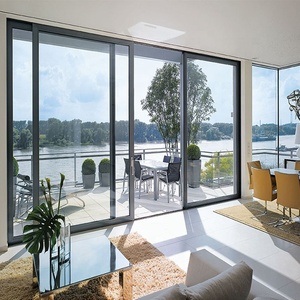
Residential Modern Soundproof Aluminum Patio Sliding Door Soundproof Series

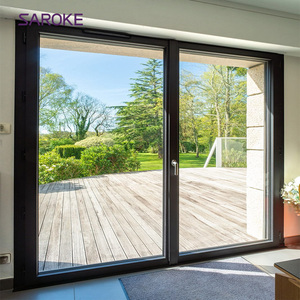
Residential Modern Soundproof Aluminum Alloy Glass Patio Sliding Door

  • 5+ Year Structural Warranty
  • Double Glazed Tempered Glass
  • Heavy Duty Heavy Track
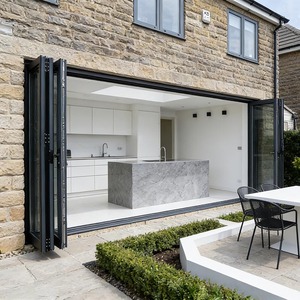
Folding Interior Door Factory Direct Bi-Fold Doors Factory Direct

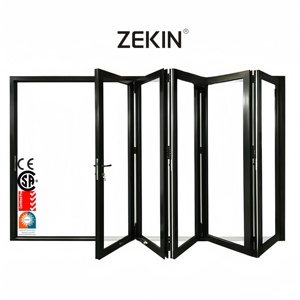
Folding Interior Door Bi-Fold Multi Panel Energy-Efficient Glass Doors

  • Multi-Panel System
  • Acoustic Insulation Seals
  • Thermal Insulation Core
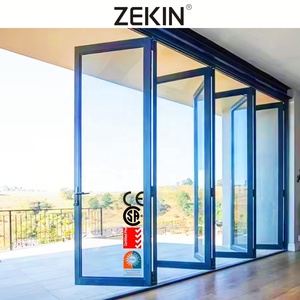
Aluminum Double Glass Energy Efficient Bi-fold Doors AS2047 NFRC / AS2047

High Quality Aluminum Double Glass NFRC AS2047 Exterior Folding Door

  • Certified AS2047 Standard
  • High-Performance Weathering
  • Exterior Entrance Grade
Large Opening Accordion Glass Door Wall System Luxury Villa

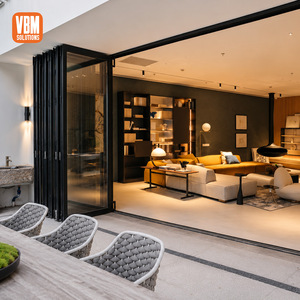
Large Opening Aluminum Accordion Glass Door Folding Wall System

  • Custom Wide-Span Opening
  • Ultra-Slim Sightlines
  • Heavy Duty Stainless Hardware
Sound Proof Interior Compression Glass Sliding Door Interior Acoustic

Sound Proof Interior Side Compression Aluminum Glass Sliding Door

  • Compression Acoustic Seals
  • Smooth Soft-Close Roller
  • Compact Space-Saving Frame
Modern Thermal Insulation Aluminum Folding Glass Door Thermal Break

Modern Soundproof Waterproof Aluminum Thermal Insulation Bi-Fold Door

  • Polyamide Thermal Barrier
  • EPDM Triple Sealing Gaskets
  • High UV Powder Coating
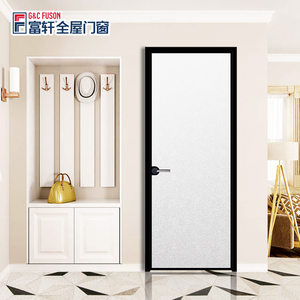
Hotel Room Interior Casement Swing Glass Door Commercial Grade

Hotel Room Glass Interior Casement Door With Lock & Slim Frame

  • Integrated Mortise Lockset
  • Anodized Surface Finish
  • High-Traffic Durability
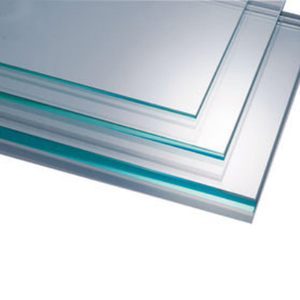
Industrial Safety Clear Tempered Glass Panels Safety Glazing

6mm to 15mm Industrial Flat Top Safety Clear Tempered Glass Panels

  • High Impact Resistance
  • Precision Flat Edge Polish
  • Custom Size Processing
12+ Years Technical Expertise
1,000+ Projects Delivered
100% In-House CNC Fabrication
0.24 Ultra-Low U-Factor Ratings

State-of-the-Art Fabrication Facilities & Enterprise Advantages

When selecting a top-tier aluminium window manufacturer, technical capabilities and control over the supply chain dictate the final structural longevity of your project. Operative from our advanced engineering facility in Industrial Area, Al Sajaa, Skyline Aluminium provides complete end-to-end oversight over profile milling, thermal break insertion, automated double-glazing assembly, and powder coating.

Unlike commercial traders or assembly-only workshops, our direct-factory model integrates precision engineering at every stage. This guarantees tight dimensional tolerances (±0.5mm), reliable lead times, and compliance with stringent international building codes across residential, commercial, and industrial sectors.

Automated CNC Milling

Multi-axis automated extrusion machining ensures micro-exact hardware cutouts, corner crimping, and integrated drainage pathways, eliminating manual errors.

Polyamide PA66 Thermal Breaks

We utilize high-grade PA66 reinforced with 25% glass fiber insulating strips, drastically curtailing thermal conduction across exterior and interior profile frames.

Qualicoat Class 2 Finishing

Electrostatic powder coating and anodizing treatments certified to resist heavy UV exposure, salt mist corrosion, and severe coastal weathering for up to 25 years.

Architectural Glazing Innovations & Procurement Trends (2025–2030)

The global demand for high-performance architectural glazing is shifting rapidly from standard structural fenestration to low-carbon, smart thermal envelopes. As municipal energy codes enforce strict net-zero targets and operational carbon reduction, developers and procurement directors must evaluate manufacturers based on forward-looking engineering benchmarks.

1. Extreme Climate Thermal Break Evolution

Traditional non-thermal aluminium frames act as thermal bridges, transmitting severe external temperatures directly into conditioned indoor spaces. Modern procurement standards mandate Multi-Cavity Polyamide Thermal Break Profiles paired with Low-E double or triple Insulated Glass Units (IGU). In tropical and desert climates where temperatures reach over 50°C, thermal break systems reduce operational HVAC load by up to 32% annually.

2. Ultra-Slim Sightlines with Maximum Structural Spans

Architects increasingly demand minimal frame exposure with maximum glass coverage. Leading factories are re-engineering alloy matrices (transitioning to high-tensile 6063-T6 and 6060-T66 aluminum alloys) to support massive floor-to-ceiling glass panes without structural deflection under high wind loads (up to 3000 Pa).

3. Acoustic Engineering for Dense Urban Environments

Acoustic performance is no longer secondary. Modern B2B procurement specifications require a minimum Sound Transmission Class (STC) rating of 38 dB to 45 dB. Innovations include asymmetric glass laminations (e.g., 6mm + 1.52mm Acoustic PVB + 8mm glass combinations) coupled with multi-point compression locking hardware and EPDM continuous gasket lines.

Profile System Type Thermal Transmittance (U-Factor) Acoustic Reduction (Rw) Max Wind Load Capacity Ideal Procurement Application
Non-Thermal Aluminium 5.0 – 5.8 W/m²K 22 – 28 dB 1200 – 1800 Pa Standard Interior Partitions & Storage Units
Standard Thermal Break 2.1 – 2.8 W/m²K 32 – 36 dB 2000 – 2400 Pa Residential Villas & Standard Offices
Advanced Multi-Cavity Thermal Break 1.1 – 1.6 W/m²K 38 – 42 dB 2800 – 3500 Pa Luxury Coastal Villas & High-Rise Facades
Structural Vacuum Glazed System 0.6 – 0.9 W/m²K 42 – 48 dB 3500+ Pa Net-Zero Commercial Towers & Passive Houses

How to Audit an Aluminium Window Factory & Supplier

To avoid project delays, premature seal failures, or structural non-compliance, enterprise buyers and main contractors should verify manufacturers against six critical structural benchmarks:

  1. Alloy Grade Certification: Verify that structural profiles utilize primary aluminium billets (Alloy 6063/6005) with T5 or T6 heat treatments rather than recycled scrap metal with high impurity rates.
  2. Glazing Seal Integrity: Inspect IGU manufacturing practices. Quality factories implement dual-seal technology using primary Polyisobutylene (PIB) butyl sealant combined with secondary structural silicone or polysulfide.
  3. Hardware Load Cycles: Request cycle testing reports for rollers, hinges, and locks. Entrance doors and bi-fold systems must withstand a minimum of 50,000 to 100,000 operation cycles under full load.
  4. Surface Finish Testing: Confirm powder coating adherence via cross-hatch tape adhesion tests, salt spray resistance testing (ASTM B117), and impact tests.
  5. Pre-Shipment Mock-Up Assembly: Reliable factories conduct full-scale structural mock-up assemblies to check water tightness, air infiltration, and smooth operation before export packaging.
  6. International Code Compliance: Confirm third-party testing for NFRC (thermal rating), AS2047 (Australian window standard), BS 6375 (weather tightness), and EN 12150 (tempered glass safety).

Frequently Asked Questions (FAQ) for B2B Purchasing

Direct technical answers to common questions asked by developers, project managers, and procurement officers.

What structural parameters determine the selection of window frame profile depth?
Profile depth (e.g., 50mm, 65mm, 90mm, 120mm) is determined by structural calculation of wind load pressure (Pascal rating), the physical height and width of the opening, and the total glass packet thickness (single, double, or triple glazing). High-elevation or coastal installations require deeper profiles with higher moment of inertia (Ix/Iy values) to resist deflection.
How does factory-direct procurement compare to local fabrication workshops?
Factory-direct sourcing provides certified material traceability, advanced automated CNC milling, consistent batch anodizing or powder coating, lower unit costs for commercial quantities, and direct engineering submittals. Local workshops frequently assemble off-the-shelf components without structural testing or sealed IGU production facilities.
What is the standard production and shipping lead time for volume orders?
Once shop drawings and material samples are approved, standard factory production takes 15 to 25 working days depending on finish specifications (custom anodizing or wood-grain sublimation adds 5-7 days). Shipping transit varies by regional destination, but overall project delivery typically ranges from 3 to 6 weeks.
Why are thermal break aluminium windows recommended over standard PVC/uPVC frames for large openings?
While uPVC offers reasonable thermal insulation, aluminium possesses significantly higher tensile strength and structural rigidity. This allows for ultra-slim profile sightlines and massive glass spans (such as large accordion wall systems or heavy sliding patio doors) without sagging, warping, or degrading under UV radiation over time.
What glass coatings best optimize energy efficiency in coastal and hot regions?
In hot or high-solar radiation regions, double glazed units equipped with a Low-Emissivity (Low-E) soft coat on surface #2, combined with Argon gas fill (90% purity) and warm-edge spacer bars, offer the optimal balance. This configuration reflects far-infrared heat while maintaining high visible light transmittance (VLT).

Partner with a Trusted Aluminium Engineering Manufacturer

Contact our technical sales team today to request architectural shop drawings, profile sample kits, factory audits, or competitive quotes for your upcoming project.

Contact Us