Direct Factory Supply | Engineered for Extreme Wind Loads, Thermal Efficiency & Acoustic Insulation
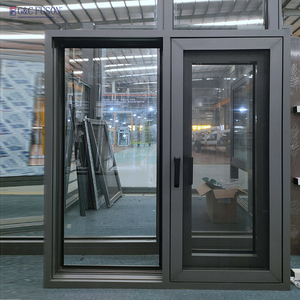
Engineered with multi-cavity polyamide thermal barriers, offering superior U-values and architectural French window aesthetics for high-end residential projects.
Contact Us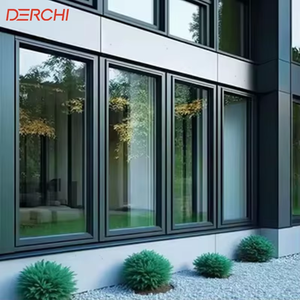
Heavy-duty T6063-T5 aluminum frames designed to withstand extreme wind pressures, ideal for commercial towers and coastal high-rise applications.
Contact Us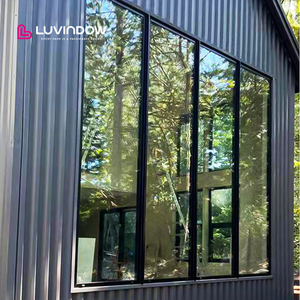
Ultra-wide structural glass units providing panoramic exterior views combined with high-performance side-hung casement ventilation modules.
Contact Us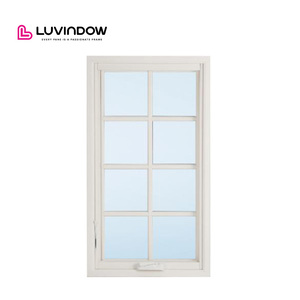
Featuring smooth stainless steel operator arms and dual-arm truth hardware, perfect for North American residential architectural styles.
Contact Us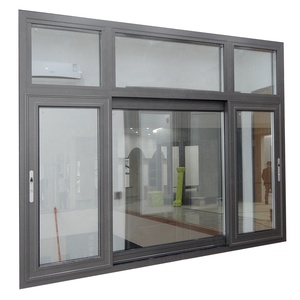
Laminated PVB impact-resistant safety glass integrated into reinforced aluminum profile structures, tested against severe storm dynamics.
Contact Us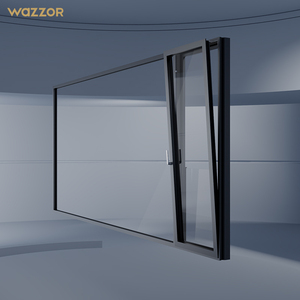
Multi-point lock mechanism paired with EPDM continuous weather gaskets, achieving acoustic dampening ratings up to STC 42 dB.
Contact Us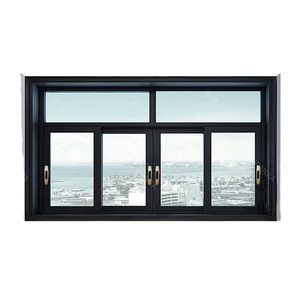
Custom luxury fenestration tailored for high-end hospitality and villa developments featuring minimalist structural profiles.
Contact Us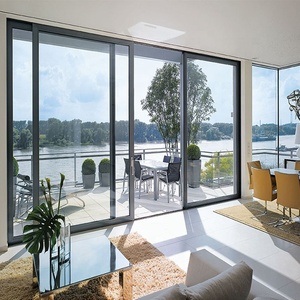
Precision-manufactured aluminum alloy casement doors and windows fitted with tempered low-emissivity double glass insulation units.
Contact UsIn contemporary architectural engineering, the window fenestration package represents up to 15% of total building envelope thermal performance. As global building codes transition toward net-zero emissions and stringent climate-adaptive designs, sourcing high-performance casement windows from specialized Chinese manufacturers has shifted from a pure cost-optimization play to a strategic engineering imperative. China’s fenestration ecosystem now combines world-class extrusion robotics, advanced surface treatment facilities, and automated insulating glass unit (IGU) lines.
When procurement officers, facade consultants, and general contractors evaluate a China casement windows manufacturer, technical scrutiny must extend beyond surface aesthetics. Critical metrics include aluminum alloy purity, thermal break strip metallurgy (PA66-GF25), hardware cycle durability (EN 13126 standards), and environmental weathering resilience under ASTM B117 salt spray testing conditions.
High-tensile virgin aluminum extrusions offering structural yield strengths exceeding 110 MPa, resisting permanent deformation under hurricane-force wind loads.
25% glass-fiber reinforced thermal break strips inserted between inner and outer profile chambers, cutting thermal conduction pathways dramatically.
Automotive-grade continuous vulcanized rubber seals that maintain elastic recovery across extreme operating temperature ranges (-40°C to +80°C).
Our integrated manufacturing matrix combines precision CNC machining with stringent quality management protocols aligned with ISO 9001 and international fenestration standards (AS2047, NFRC, CE mark). The lifecycle reliability of an architectural casement window depends on four fundamental engineering layers:
Top-tier manufacturers employ primary aluminum ingots extruded through custom multi-cavity dies. Wall thickness compliance strictly adheres to GB 5237 / AAMA 101 standards, maintaining structural wall dimensions between 1.4mm for residential applications and 2.0mm to 3.0mm for heavy-duty commercial curtain wall casement inserts. Multi-chamber interior profiles create dead-air zones that work synergistically with thermal break inserts to attenuate sound transfer and thermal energy movement.
To resist UV degradation, coastal salt mist corrosion, and industrial pollutants, profiles undergo advanced surface processing. Options include Qualicoat-certified fluorocarbon (PVDF) spray coatings capable of withstanding 20-year exposure environments without chalking, as well as marine-grade architectural anodizing and high-definition wood-grain sublimation transfers for natural exterior aesthetics without the structural decay risks of real timber.
Glazing units represent over 70% of the total window surface area. Modern Chinese factories integrate automated Bystronic or Lisec insulating glass lines capable of producing double-glazed (5mm + 12Ar + 5mm) and triple-glazed configurations with low-emissivity (Low-E) coatings. Argon gas filling (>90% concentration) combined with warm-edge composite spacers reduces condensation risks and achieves overall window U-factors as low as 1.1 W/m²K (0.19 BTU/h·ft²·°F).
As commercial real estate developers, residential project managers, and global importers map out their multi-year procurement pipelines, several key industry transformations are shaping the fenestration landscape:
International buyers are increasingly requiring Environmental Product Declarations (EPDs) from Chinese suppliers. Manufacturing facilities utilizing hydro-powered aluminum smelting and recycled scrap integration (low-carbon green aluminum) are rapidly capturing premium commercial market shares across Europe and North America.
Future-ready casement windows are evolving beyond passive thermal barriers. Supply chains are rapidly incorporating hidden motorized chain actuators, automated rain sensors, and motorized multi-point locks that sync directly with smart building control platforms (KNX / Zigbee).
Architectural demand for maximum glass-to-frame ratios has driven the development of hidden sash casement profiles. These designs conceal the window sash within the outer frame rebate, delivering clean exterior sightlines while maintaining structural load resistance.
With extreme weather events increasing in frequency, global buyers are seeking multi-certified systems. The trend shifts toward combining bullet-resistant, anti-burglary multi-point hardware with SentryGlas (SGP) laminated interlayers for high-security applications.
Navigating global window supply chains requires a manufacturing partner that combines technical consultation, factory-direct pricing, and complete quality control. Drawing upon extensive regional experience across demanding environments—including extreme desert climates like Dubai and humid coastal areas—our engineering methodology delivers unmatched reliability.
From initial shop drawing submittals and wind load calculation reports to customized packaging solutions (IPPC-certified steel-framed crates with desiccants and protective film), our end-to-end service safeguards your project timeline and budget.
Expert Answers to Critical Procurement, Engineering, and Shipping Questions
Depending on your destination market, you should verify specific technical standards. For North America, look for NFRC thermal ratings and AAMA/WDMA performance grades. For Australia, compliance with AS2047 and AS1288 is mandatory. For the European Union, CE marking according to EN 14351-1, along with system-level U-value verification and factory production control (FPC) audit reports, ensures full regulatory compliance.
Outward-swinging casements utilize exterior air pressure to push the sash tighter against the frame weatherstripping during high wind events, offering superior water tightness in stormy coastal regions. Conversely, inward-opening Tilt & Turn casements provide versatile dual-mode operation (top-tilting for secure draft-free background ventilation, side-swinging for safe interior cleaning of high-rise exterior glass).
While standard sample units can be produced for mock-up approvals within 7 to 10 days, full container load (FCL) production cycles typically run between 20 to 35 calendar days following shop drawing sign-off and glass spec confirmation. Minimum order thresholds for custom extrusion profile colors start around 100 square meters.
Units are protected using protective surface films, corner shock absorbers, and heavy-duty steel or ISPM-15 compliant heat-treated wooden crates. Double-sealed IGUs utilize primary butyl sealants paired with secondary structural silicone, preventing desiccant saturation and glass fogging under humid ocean container conditions.
Yes. Top manufacturers maintain engineering partnerships with premium global hardware providers such as Siegenia, Hoppe, Roto, and GU, alongside high-tier domestic brands like Kin Long and CMECH. Profiles are CNC-machined with European standard hardware grooves to ensure flawless fitting.
Submit your project drawings, architectural BOQs, or fenestration schedules to connect directly with our engineering team for free technical evaluation and competitive wholesale pricing.