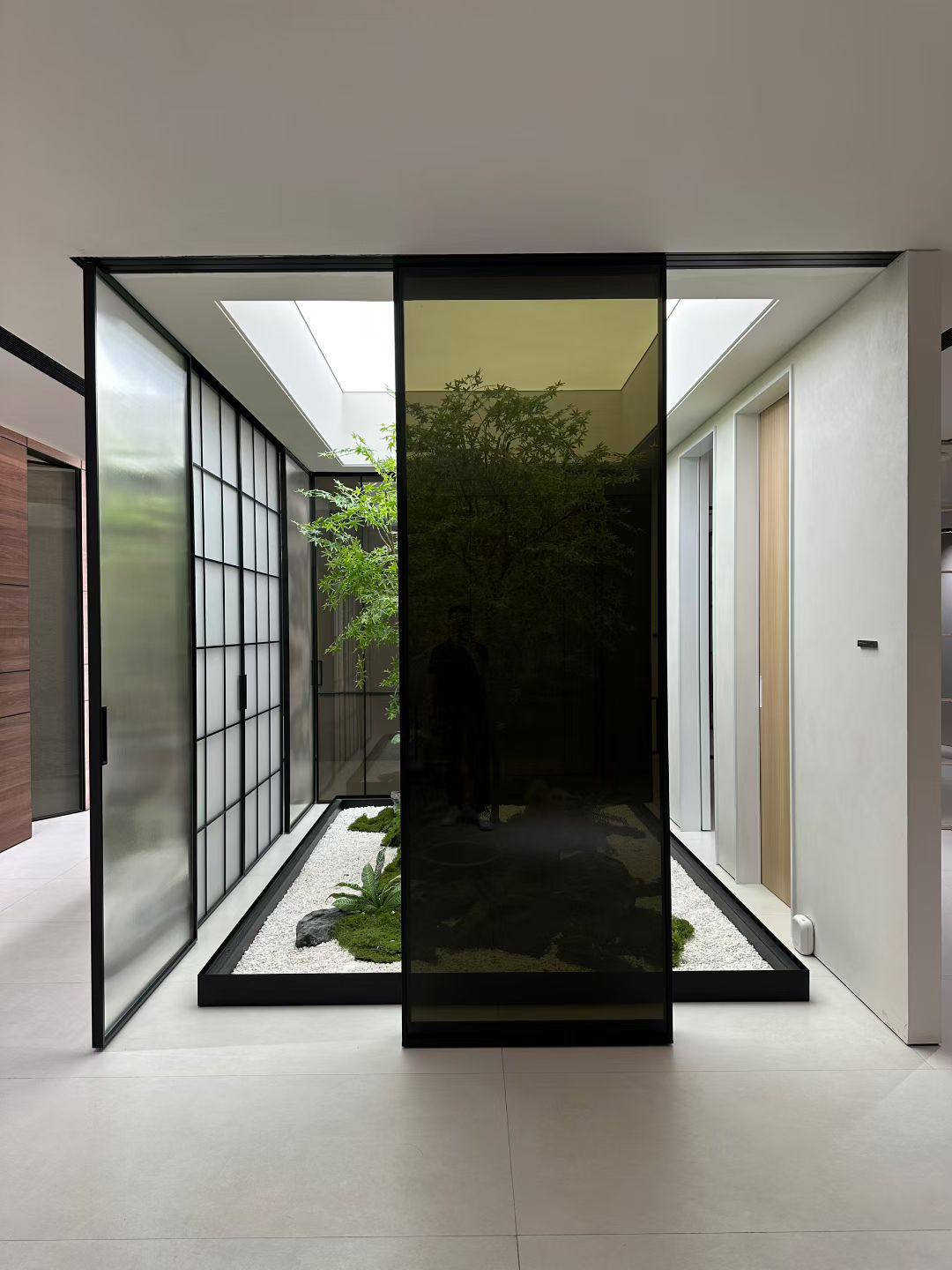
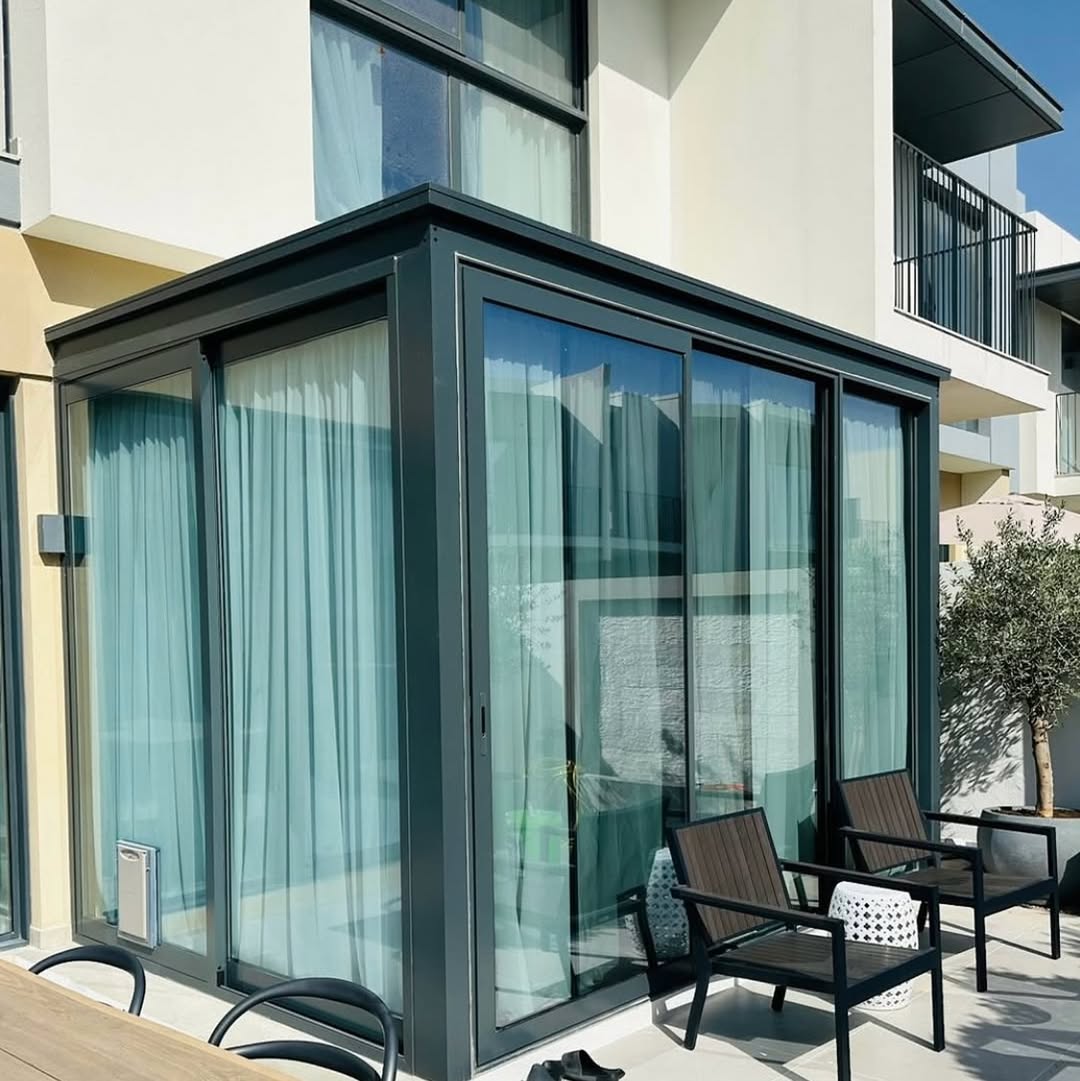
Engineered for thermal performance, structural integrity, and acoustic dampening across commercial, residential, and industrial deployments.
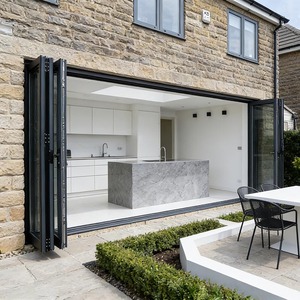
Selecting the optimal alloy matrix, temper designation, and wall thickness tolerance under international standards (ASTM B221, EN 755, GB/T 6892).
Aluminum extrusion is not merely a geometric process; it is a complex thermodynamic transformation. When procuring extrusions from China, understanding the chemical composition and mechanical threshold of 6000-series and 7000-series alloys is vital to ensure structural reliability across diverse climate zones.
Most architectural curtain walls, window profiles, and structural framing systems rely on 6063-T5/T6 and 6061-T6. The addition of Magnesium (Mg) and Silicon (Si) forms Magnesium Silicide (Mg2Si), which precipitates during heat treatment to deliver exceptional yield strength, superior surface finishability, and corrosion resistance.
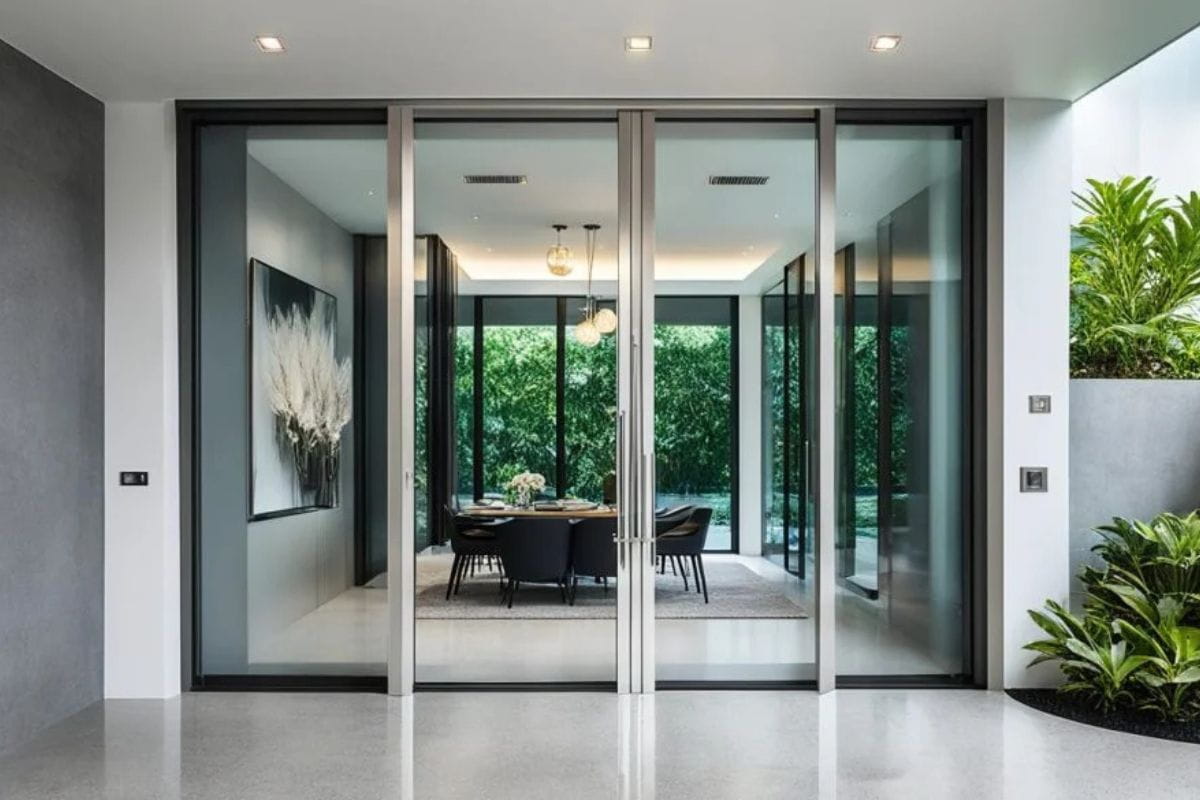
| Alloy & Temper | Tensile Strength (Rm MPa) | Yield Strength (Rp0.2 MPa) | Elongation (A5 %) | Hardness (Webb / HB) | Primary Industrial Applications |
|---|---|---|---|---|---|
| 6063-T5 | ≥ 160 MPa | ≥ 110 MPa | ≥ 8 % | 8–12 HW | Standard Window/Door Profiles, Office Partitions, Architectural Trims |
| 6063-T6 | ≥ 205 MPa | ≥ 180 MPa | ≥ 8 % | 12–14 HW | Thermal Break Curtain Walls, High-Span Sliding Doors, Solar Frames |
| 6061-T6 | ≥ 265 MPa | ≥ 240 MPa | ≥ 10 % | ≥ 15 HW / 95 HB | Structural Framing, Heavy Industrial Machinery, Marine & Automotive Chassis |
| 6082-T6 | ≥ 290 MPa | ≥ 250 MPa | ≥ 10 % | ≥ 95 HB | Bridges, Scaffolding, High-Load Structural Truss Systems (EN Compliance) |
| 7075-T6 | ≥ 540 MPa | ≥ 470 MPa | ≥ 5 % | ≥ 150 HB | Aerospace Components, High-Stress Military & Precision CNC Tooling |
Key market shifts driving global B2B purchasing, carbon compliance, and high-precision thermal systems.
With the implementation of the European Union's Carbon Border Adjustment Mechanism (CBAM), procurement managers must verify the carbon footprint of primary aluminum. Leading Chinese extruders are shifting to hydro-powered primary aluminum ingots (Green Aluminum) in Yunnan and Sichuan, drastically cutting Scope 1 and Scope 2 emissions to under 4.0 tCO2/t Al.
Global energy codes (such as ASHRAE 90.1 and EU Passive House standard) demand ultra-low thermal transmittance (U-factors). Modern thermal break profiles integrate PA66-GF25 (25% Glass-Fiber Reinforced Polyamide) insulation strips, reducing frame U-values below 1.3 W/m²K when paired with triple-glazed Low-E units.
B2B buyers are moving away from importing raw 6-meter mill-finish bars. Sourcing intent has pivoted toward Complete-Knocked-Down (CKD) kits and fully machined components featuring 5-axis CNC milling, drilling, tapping, corner-crimping, and pre-installed EPDM weather seals ready for immediate job-site assembly.
Ensuring 30+ year color retention, salt spray resistance, and UV stability under harsh marine and desert environments.
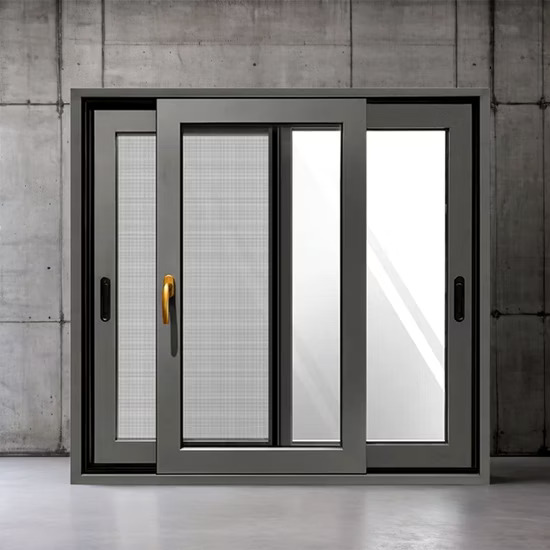
Utilizing premium thermosetting powders (AkzoNobel, PPG, Jotun), powder-coated extrusions achieve film thicknesses of 60–80 μm. Qualicoat Class 2 super-durable fluoropolymer coatings withstand accelerated Florida weathering tests for over 5 years without chalking or fading.
Anodic oxide layers ranging from Class 10 (10 μm) for indoor use up to Class 25 (25 μm) for harsh coastal environments. Electro-coloration creates metallic shades (Champagne, Bronze, Deep Black) integral to the oxide matrix, ensuring zero peeling risk.
Applied via 2-coat, 3-coat, or 4-coat wet spraying systems baked at high temperatures. PVDF offers unmatched resistance to acidic pollution, chemical exposure, and intense solar UV degradation, holding a 25-year performance warranty.
Custom profile solutions deployed across luxury residential towers, corporate headquarters, and commercial shopfront systems worldwide.
Direct technical responses to common questions regarding die tooling, tolerances, logistics, and quality assurance.
Our extrusions are manufactured strictly under EN 755-9 and EN 12020-2 (Precision Tolerances) for European projects, as well as ASTM B221 and China GB/T 14846 standards. High-precision profiles achieve wall thickness tolerances within ±0.15mm, ensuring seamless snap-fit alignment for architectural systems.
Custom extrusion dies are designed in-house using CAD/CAM simulation software. Tooling costs depend on profile diameter and complexity: solid dies (e.g., flat bars, trims) range from $300 to $600 USD, while hollow dies (e.g., window frames, multi-chamber tubes) range from $800 to $1,800 USD. Tooling charges are fully refunded once cumulative order volume reaches an agreed metric tonnage (typically 5 to 10 tons).
The standard manufacturing timeline includes: 1) Die tooling fabrication: 7 to 10 calendar days. 2) Sample extrusion approval & color matching: 3 to 5 days. 3) Mass production & coating: 15 to 20 days. Average order fulfillment from drawing sign-off to FOB port loading is completed within 25 to 30 days.
Every profile surface is covered with a customized 50–80 micron PE protective film (printed with your company logo if requested). Profiles are interleaved with non-abrasive protective paper or foam sleeves, bundled into waterproof shrink-wrapped master packs, and placed inside fumigated wooden crates or steel frame skids designed for safe forklift unloading.
Yes. Our extrusion facility features automated knurling, strip insertion, and rolling equipment capable of assembling single-strand or double-strand PA66-GF25 polyamide thermal barriers. We also offer polyurethane (PU) foam injection inside hollow profile chambers to maximize acoustic performance and lower overall frame thermal conductivity (Uf).
For standard architectural profiles with existing tooling, the MOQ is 500 kg per section design. For custom die profiles, the MOQ is typically 1,000 kg per die run. Order totals can be combined across multiple dies to fill a full 20ft container (approx. 10–12 metric tons) or 40ft High Cube container (approx. 22–26 metric tons).
Connect directly with our senior metallurgical and architectural technical team. Get instant advice on alloy selection, custom die design, and competitive FOB/CIF quotation terms.