Certified energy-efficient, soundproof, and thermal break double glazed assemblies engineered for global commercial and residential developments.
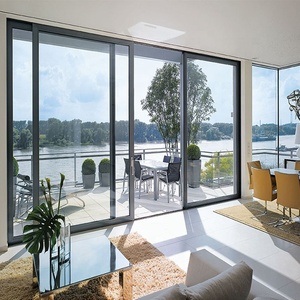
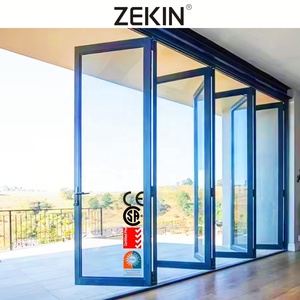
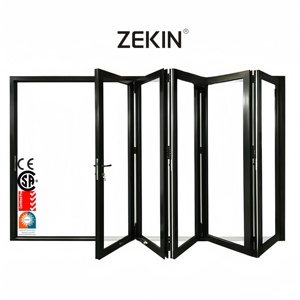
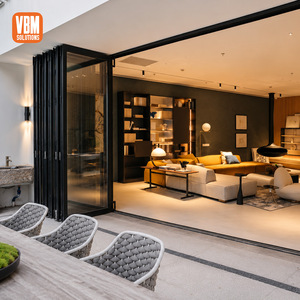
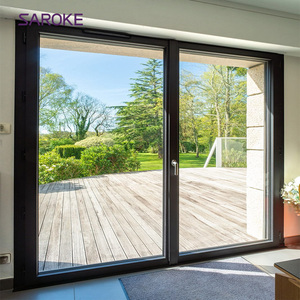
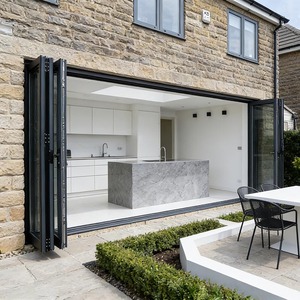
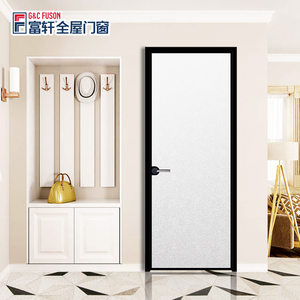
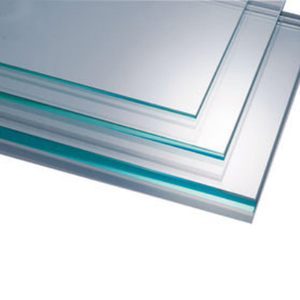
As net-zero energy building codes (LEED v4.1, BREEAM, and Estidama Pearl) enforce stringent envelope compliance worldwide, selection of double glazing suppliers has pivoted from basic unit pricing to verified thermal dynamics, structural integrity, and long-term acoustic seal isolation. Modern Insulated Glass Units (IGUs) are highly engineered multi-layer barriers designed to mitigate thermal transfer via conduction, convection, and radiation.
To assist developers, architectural consultants, and principal contractors in navigating global supply chains, this whitepaper evaluates the engineering paradigms that differentiate tier-1 double glazing exporters from commodity glass processors.
Leading double glazing manufacturers maintain automated processing facilities incorporating CNC cutting, robotic edge de-coating, dual-seal secondary extrusion, and automated gas injection. Sourcing teams must audit factories against three core physical parameters:
| Performance Feature | Standard Commodity Double Glazing | Tier-1 Export Grade (Skyline Engineering Standard) | Impact on Building Performance |
|---|---|---|---|
| Spacer System | Mill-finish Aluminum Spacer | Thermo-plastic TPS / Stainless Warm-Edge Spacer | Reduces edge-seal thermal bridging by up to 65%; prevents condensation. |
| Gas Infusion Integrity | Air filled or manual syringe Argon injection (<70%) | Automated online vacuum-press Argon filling (≥90% verified) | Maximizes sound damping and thermal performance over a 25-year service life. |
| Primary & Secondary Seals | Single Polyisobutylene (PIB) or domestic silicone | Dual-seal: Extruded PIB primary + Structural Silicone secondary | Prevents moisture vapor transmission (MVTR) and prevents seal failure/fogging. |
| Frame Thermal Barrier | Non-thermal break or cheap PVC strip | Polyamide PA66-GF25 structural thermal breaks | Prevents frame sweating and cuts structural envelope heat transfer. |
| International Testing | Factory self-declaration | AS2047, NFRC, BS EN 1279, CE, ISO 9001:2015 | Ensures regulatory sign-off and compliance with structural wind loads. |
Operating from state-of-the-art fabrication facilities (Al Sajaa Industrial Zone), our automated production lines deliver precision-engineered fenestration systems tailored to extreme climate operational demands.
Complete end-to-end processing—including 5-axis CNC profile machining, automated glass cutting, tempering, and IG unit assembly—under a unified quality management system guarantees micron-level fabrication tolerances.
Our aluminum doors and windows utilize 25% glass-fiber reinforced polyamide thermal barriers. This decoupled frame construction interrupts conductive heat paths, maintaining internal surface comfort in 50°C+ ambient conditions.
Eliminating traditional metallic spacers, our continuous Thermo-Plastic Spacer (TPS) technology delivers direct-extruded hermetic seals with superior elastic recovery, ensuring zero fogging and minimal perimeter heat loss.
Integrated with heavy-duty European hardware (Siegenia, Hoppe, Sobinco), our bi-fold, sliding, and casement double glazed systems feature anti-lift pins, perimeter shoot-bolts, and high-cycle stainless steel rollers.
Surface treatments include Qualicoat Class 2 fluorocarbon PVDF, architectural powder coating (AkzoNobel / Jotun), and high-definition woodgrain sublimation, engineered for 20+ years of UV and coastal salt-spray resistance.
Every unit undergoes strict quality checks for dew-point verification, glass flatness, and frame squareness before entering specialized export packaging (steel-reinforced sea-worthy A-frames with vacuum wrap).
The global architectural glazing market is undergoing a structural transition driven by decarbonization mandates, urban noise abatement requirements, and minimalist architectural aesthetics. B2B procurement directors and developers must align their sourcing strategies with four dominant technology vectors:
While traditional double glazing relies on gas-filled cavities (12mm–16mm air gaps), next-generation hybrid double glazing incorporates a microscopic vacuum space (0.2mm) alongside a conventional gas cavity. This hybrid configuration achieves ultra-thin profiles with unprecedented $U_g$ values as low as 0.40 W/m²K, approaching standard solid wall insulation metrics.
Modern residential and high-end commercial architecture favors frame-less aesthetics. Manufacturers are re-engineering double glazed doors to act as structural diaphragms. By utilizing two-part structural silicone bonding directly between glass and aluminum, frame face-widths are reduced from traditional 110mm sightlines down to ultra-slim 20mm – 25mm interlocks without compromising wind-load deflection capabilities (L/175 standards).
Procurement for luxury hospitality and corporate headquarters increasingly specifies double glazed units with integrated electrochromic layers or motorized internal blinds sealed within the inert gas cavity. Sealed internal shading systems completely eliminate maintenance, dust accumulation, and mechanical wear while enabling automated building energy management (BEMS) synchronization.
European and North American project specifications now mandate Environmental Product Declarations (EPDs) covering Embodied Carbon. Tier-1 exporters are adopting low-carbon primary aluminum billets (smelted via hydro-power, <4.0 kg CO2/kg Al) and recycled cullet glass processing, allowing developers to secure maximum rating points under LEED and BREEAM certifications.
For coastal and humid environments, specs must mandate dual-sealed IGUs featuring structural silicone secondary seals (rather than polyurethane), warm-edge stainless/TPS spacers, and anodized or fluorocarbon PVDF coated aluminum frames (minimum 25-micron film thickness). Glass units should incorporate outer toughened panes with anti-corrosive Low-E coatings applied on surface #2 or #3.
In tier-1 automated facilities using continuous primary butyl sealing and robotically applied structural silicone secondary sealants, Argon gas loss is certified at less than 1% per annum according to EN 1279-3 testing standards. This guarantees thermal performance retention over a 20 to 25-year operational lifecycle.
AS2047 is the Australian Standard specifying mandatory physical performance requirements for windows and doors (Air Infiltration, Water Penetration Resistance, Ultimate Strength, and Deflection). NFRC (National Fenestration Rating Council) is the US rating system measuring whole-window thermal energy metrics ($U$-factor, Solar Heat Gain Coefficient, Visible Transmittance, and Air Leakage). Compliance with both confirms elite structural and thermal engineering.
Polyamide PA66GF25 contains 25% glass fiber reinforcement, matching the thermal expansion coefficient of aluminum metal ($2.3 \times 10^{-5} / K$). This prevents structural shear failure, delamination, or warping under severe temperature differentials between interior air-conditioned spaces and exterior heat. PVC strips lack structural strength and deteriorate rapidly under elevated thermal loads.
Double glazed products are packaged in custom steel or heavy-duty timber A-frame crates. Glass panels are separated by cork pads, wrapped in heavy-duty polyethylene shrink film, and secured with steel strapping. Containers are loaded with pneumatic dunnage bags to eliminate lateral movement during maritime transit.
Standard export production lead time ranges from 15 to 25 business days following final approval of shop drawings and profile powder-coat samples. Ocean transport timelines vary by destination port (e.g., Middle East 7-12 days, Australia 14-20 days, North America 22-30 days).