Direct factory-engineered structural solutions: thermal break folding doors, sliding patio assemblies, acoustic interior partitions, and industrial tempered safety glass engineered for high wind loads and harsh climates.
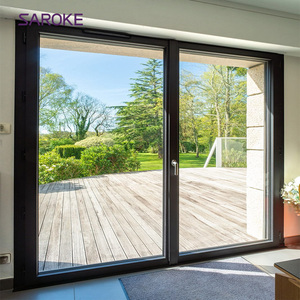
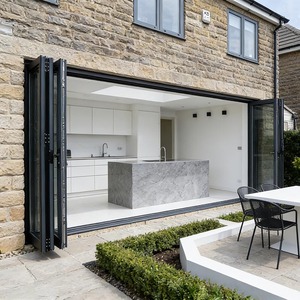
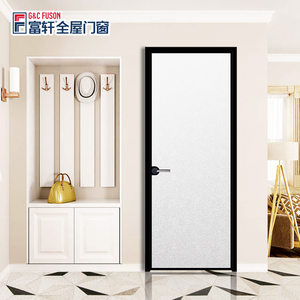
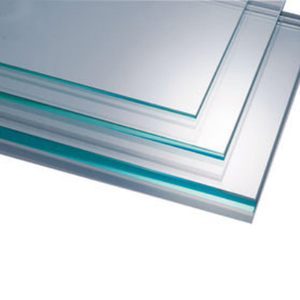
The global market for architectural aluminium panels, solid aluminium facade sheets, and thermal break structural extrusion systems is undergoing a seismic technical evolution. Driven by stringent international energy efficiency mandates (LEED v4.1, BREEAM, Net-Zero Building codes) and rigorous structural resilience requirements against extreme weather events, corporate real estate developers, EPC contractors, and procurement directors no longer select suppliers based solely on unit cost.
Modern procurement strategies evaluate factories across a multi-dimensional matrix: metallurgy quality control (A6063-T5/T6 alloy purity), coating durability (PVDF Kynar 500 triple-layer application vs. FEVE fluoropolymer), structural fire retardancy (Class A2 non-combustible mineral cores), precision CNC machining capabilities, and full compliance with regional testing standards such as ASTM E84, EN 13501-1, AS2047, and NFRC thermal performance ratings.
This technical whitepaper provides an authoritative benchmark evaluation of the world's leading aluminium panel manufacturers and extrusion exporters. By examining core production infrastructure, metallurgical innovation, coating tech, and supply chain logistics, this guide enables procurement professionals to mitigate risks, optimize total cost of ownership (TCO), and source high-margin, high-durability building envelope systems.
| Performance Parameter | Standard Commercial Grade | Premium Export Grade (Top 10 Benchmark) | Testing & Verification Standard |
|---|---|---|---|
| Alloy Composition | Recycled Low-Grade Scrap Blend | Primary Pure Ingot A6063-T5 / A3003-H14 | ASTM B209 / GB/T 3880 |
| Surface Coating | Single-Layer PE (Polyester) 15µm | PVDF Kynar 500 (70% Resin) 25–35µm | AAMA 2605 / ISO 2813 |
| Fire Safety Rating | Class B / Class C Core | Class A2-s1, d0 Non-Combustible Mineral Core | EN 13501-1 / ASTM E84 Class A |
| Thermal Transmittance (U-Value) | > 3.5 W/m²K (Non-Thermal Break) | ≤ 1.2 to 1.6 W/m²K (Polyamide Strip Integrated) | NFRC 100 / ISO 10077-2 |
| Acoustic Isolation (STC) | STC 22 - 25 dB | STC 38 - 45 dB (Double Glazed/Acoustic Core) | ASTM E90 / ISO 140-3 |
| Wind Load Resistance | 1.5 kPa - 2.0 kPa | Up to 3.5 kPa (Positive & Negative Pressure) | AS2047 / ASTM E330 |
Based on global manufacturing output, metallurgical testing integrity, export volume, and technical engineering support, the following ten manufacturers lead the global market in solid aluminium sheets, aluminium composite panels (ACP), and architectural glazing systems.
Operating a state-of-the-art fabrication facility in Industrial Area - Al Sajaa, Sharjah, Skyline Aluminium represents the pinnacle of Middle Eastern thermal break engineering and high-exposure architectural glazing. With 12+ years of specialized fabrication experience, Skyline excels in delivering facade systems, bi-fold patio doors, and custom aluminium panels certified for extreme high-heat (>50°C), coastal salt-fog corrosion, and sandstorm abrasion.
Globally renowned for its premium ALPOLIC brand, Mitsubishi Chemical sets the benchmark for high-grade Aluminium Composite Materials (ACM). Utilizing FEVE Lumiflon coatings and highly specialized fire-retardant cores, ALPOLIC panels are specified worldwide for iconic high-rise towers, airport terminals, and landmark civic infrastructure.
3A Composites pioneered the aluminium composite panel industry with the ALUCOBOND brand. Known for exceptional flatness, vibration damping, and weather resistance, their European manufacturing units focus on sustainable recycling loops and low-embodied-carbon architectural panel systems.
Spinning off from Alcoa, Arconic delivers engineered structural aluminium sheet and architectural panel solutions across North America and Europe. Their coil-coating processes feature advanced PVDF technologies designed to resist aggressive UV radiation and severe atmospheric conditions.
Alubang is one of Asia's largest industrial exporters of solid aluminium honeycomb panels and A2 non-combustible ACP. With multi-line automated continuous lamination technology, they serve massive volume orders across Southeast Asia, Europe, and South America.
Specializing in high-precision architectural panels and anodized aluminum sheets, Alumax focuses on architectural facade restoration, custom ceiling systems, and interior acoustic panels engineered for stringent seismic zone requirements.
Multipanel UK manufactures premium grade rigid aluminium composite sheets used widely across European signage, architectural cladding, and internal modular partition applications. They emphasize ultra-flat tolerances and strict EN ISO quality audits.
Jindal Aluminium is India's largest manufacturer of aluminium extrusions and rolled products. With vast integrated smelting, extruding, and powder-coating capacity, Jindal provides raw profiles and solid panels for major infrastructure projects worldwide.
Based in Europe, Alucoil specializes in high-tech specialized transformation of aluminium into honeycomb cores (Aludeco) and A2 architectural panel systems (Larson). They lead in eco-design and high-value decorative finishes.
With massive production facilities located across the Middle East, Europe, and Asia, Alubond U.S.A. is a major brand in non-combustible metal composite panels, supplying extensive curtain wall projects across emerging global markets.
The architectural metals industry is shifting rapidly due to global decarbonization mandates and advancing material science. Procurement officers and project specifiers must align their supply chain strategies with these major technology vectors:
Leading global fabricators are transitioning to recycled billet blends and hydro-powered aluminium smelters. Sourcing panels with verified Environmental Product Declarations (EPD) reduces scope 3 embodied carbon by up to 65%, earning crucial LEED v4 rating points.
To comply with stringent building envelope energy codes in extreme hot and cold climates, structural extrusion systems are incorporating expanded 24mm to 34mm Polyamide (PA66 GF25) thermal barriers, frequently combined with aerogel infill to achieve U-values under 1.0 W/m²K.
Regulatory updates across the EU, UAE, Australia, and North America have effectively phased out combustible polyethylene (PE) core panels on high-rise structures. Procurement focus has permanently shifted to mineral-filled Class A2-s1, d0 and pure solid aluminium honeycomb core systems.
Advanced 3-coat Kynar 500 PVDF finishes infused with hydrophobic nanotech allow exterior cladding to shed dust, atmospheric pollutants, and airborne salts through rainfall alone, drastically lowering lifecycle maintenance costs over a 25-year service period.
Leading exporters now provide parametric Building Information Modeling (BIM) objects for all panel systems, sliding doors, and curtain wall extrusions. This allows real-time thermal modeling, clash detection, and precision off-site CNC fabrication.
To protect against London Metal Exchange (LME) aluminum spot price volatility, major contractors are establishing direct long-term framework agreements with integrated extruders, locking in processing fees and hedging metal costs up to 18 months ahead.
When selecting an overseas manufacturing partner or regional fabrication hub for large-scale commercial glazing, folding doors, and curtain wall cladding, operational autonomy is the primary indicator of project success. Fragmented supply chains—where extrusion, anodizing, machining, and glass unit assembly are outsourced to separate vendors—introduce severe dimensional variances and shipping delays.
As demonstrated by leading regional leaders like Skyline Aluminium operating out of their dedicated Al Sajaa Industrial Area facility in Sharjah, maintaining end-to-end control over fabrication yields substantial technical benefits:
Before issuing a Purchase Order (PO) to any international aluminium factory, request the following mandatory technical submittals:
Partner directly with an integrated fabricator. Send your project elevations, BOQ, or system specifications to receive itemized pricing, wind load calculations, and thermal compliance submittals within 24 hours.