
Technical Whitepaper: Precision Custom OEM Aluminium Composite & Architectural Glazing Engineering
In modern architectural engineering and structural envelope design, Custom OEM Aluminium Composite Panels (ACP) and integrated architectural glazing systems form the baseline of contemporary facade aesthetics, structural integrity, and thermal performance. As top-tier manufacturers and direct-factory exporters operating out of premier fabrication facilities—such as our state-of-the-art manufacturing plant in Industrial Area, Al Sajaa, Sharjah—we engineering-tailor custom composite panels, thermal-break aluminium profiles, and high-performance safety glass solutions engineered to withstand extreme climates, high wind shear, and rigorous fire-safety directives across global commercial, residential, and industrial deployments.
Providing genuine Information Gain for procurement officers, facade consultants, real estate developers, and civil engineering contractors requires looking beyond standard marketing descriptions. This whitepaper analyzes raw alloy selections, core material formulations, mechanical bonding mechanics, surface finishing metallurgy, acoustic isolation methodologies, and modern B2B sourcing dynamics.
Core Manufacturing Benchmark: Metallurgy & Co-Extrusion Mechanics
Our OEM manufacturing line incorporates continuous hot-press lamination technology. By fusing high-tensile 3003-H14 or 5005-H14 aluminium skins onto non-combustible mineral-filled matrix cores under 180°C–220°C temperature-controlled roller lines, we achieve peel strength metrics exceeding 10 N/mm—far surpassing the standard ASTM D903 specification thresholds.
Request Engineering Submittals1. Material Architecture: Skin Alloys, Core Formulations & Surface Coatings
The structural efficacy of a custom aluminium composite system depends on three primary layer components: the top and bottom metallic skins, the internal core matrix, and the exterior protective polymer coating system.
- Aluminium Skin Metallurgy: Standard architectural applications utilize grade 3003-H14 (Aluminium-Manganese alloy) for exceptional formability and yield strength (≥145 MPa). For marine, high-salinity coastal, or extreme humidity zones, grade 5005-H14 (Aluminium-Magnesium alloy) is specified to eliminate filiform corrosion and guarantee long-term structural ductility. Skin thickness ranges from 0.30mm for interior decoration to 0.50mm heavy-duty structural exterior skins.
- Core Matrix Engineering (PE vs. FR A2/B1):
- Polyethylene (PE) Core: Low-density polyethylene (LDPE) core engineered primarily for interior signages, low-rise commercial fit-outs, and non-structural applications where acoustic dampening and light dead-weight are prioritized.
- Fire-Retardant B1 Core: Infused with aluminum hydroxide [Al(OH)₃] and magnesium hydroxide [Mg(OH)₂] flame retardants, delaying ignition and mitigating smoke generation (meets EN 13501-1 Class B-s1, d0).
- Non-Combustible Mineral A2 Core: Composed of over 90% inorganic mineral content. Under extreme flame exposure, it yields zero toxic smoke emission and zero burning droplets, fulfilling EN 13501-1 Class A2-s1, d0 and ASTM E84 Class A fire safety directives mandatory for super-tall building envelopes.
- Surface Finishes & Coating Chemistry:
- PVDF (Fluoropolymer) Coating: Utilizing Kynar 500 or Hylar 5000 resin bases (minimum 70% fluorocarbon resin composition), applied via a dual or triple-coat roller line (primer, color coat, clear topcoat) totaling ≥28 microns thickness. Resists solar UV degradation, chalking, and chemical airborne pollutants for up to 20 years.
- FEVE (Fluoroethylene Vinyl Ether): Engineered for high-gloss applications (gloss levels up to 80-90%) with exceptional hardness and color clarity.
- Anodized & Sublimated Wood/Stone Finishes: Electrochemical anodization yields an integral aluminum oxide protective layer (15–25 microns), while advanced vacuum heat-transfer technology creates maintenance-free wood grain textures.
2. Factory Benchmark Technical Specifications & Performance Metrics
The following performance data table outlines key structural, thermal, and mechanical parameters validated across our certified laboratory testing rigs:
| Performance Parameter | Standard Tested | 3mm Overall / 0.3mm Skin | 4mm Overall / 0.5mm Skin (FR A2) | Thermal Break Profile System |
|---|---|---|---|---|
| Panel Weight | ISO 1183 | 4.5 kg/m² | 7.8 kg/m² | N/A (Extrusion: 1.8-3.2 kg/m) |
| Flexural Strength / Modulus | ASTM E72 / GB/T 17748 | ≥110 MPa | ≥140 MPa | Yield Strength: ≥180 MPa |
| 180° Peel Strength | ASTM D903 / EN 1396 | ≥8.0 N/mm | ≥11.5 N/mm | Shear Strength: ≥30 N/mm² |
| Fire Behavior Classification | EN 13501-1 / ASTM E84 | Class E / Class B | Class A2-s1, d0 (Non-combustible) | Polyamide PA66 GF25 Strip |
| Acoustic Isolation (Rw) | ISO 140-3 / ASTM E90 | 25 dB attenuation | 28–30 dB attenuation | 38 to 44 dB (Double Glazed) |
| Thermal Expansion Coeff. | ASTM D696 | 2.4 x 10⁻⁵ /°C | 2.4 x 10⁻⁵ /°C | Matched Profile Assembly |
| Coating Durability (Salt Spray) | ASTM B117 | 1,000 Hours (No Blistering) | 3,000+ Hours PVDF Coating | AAMA 2605 Compliant |
Custom CNC Routing & Punching
Equipped with 6-meter multi-axis CNC routers capable of achieving precision tolerances within ±0.2mm. Complex geometrical V-grooving, circular radius curving, and decorative acoustic perforation patterns are produced effortlessly.
Full Spectrum Quality Control
Every factory production run undergoes automated spectroradiometer color-matching analysis, cross-hatch adhesion testing (ASTM D3359), and T-bend flexibility verification prior to protective film application and seaworthy crating.
CAD & BIM Shop Drawing Support
Our in-house engineering team converts architectural schematics into detailed fabrication shop drawings, panel optimization cut-lists, and anchoring cassette system bracket layouts to streamline jobsite installation.
3. Global Procurement Trends in Custom OEM Aluminium & Glazing Systems
The global construction supply chain is undergoing structural shifts driven by stringent building energy codes, carbon footprint accountability, and offsite modular construction methods. Major real estate developers and main contractors are adapting their procurement strategies to address key industry trends:
A. Decarbonization & Embodied Carbon Transparency (EPDs)
Leading international green building standards—such as LEED v4.1, BREEAM, and Estidama—now heavily weigh the embodied carbon metrics of structural building envelopes. Procurement teams prioritize composite manufacturers utilizing primary aluminium smelted via renewable hydropower or integrated post-industrial recycled scrap content (≥30% recycled billet ratio). The availability of verified Environmental Product Declarations (EPDs) is becoming a non-negotiable requirement during project tender evaluations.
B. Offsite Modular Fabrication & Pre-Glazed Cassette Systems
To mitigate rising jobsite labor expenses and shorten critical-path construction schedules, B2B buyers are shifting from field-fabricated panel assembly to factory-assembled cassette units. Pre-routed, folded, and stiffener-reinforced aluminum composite panels—complete with pre-installed silicone weather gaskets and mounting brackets—allow rapid unitized installation, reducing on-site snagging lists by up to 60%.
C. High-Performance Thermal Barrier & Acoustic System Integration
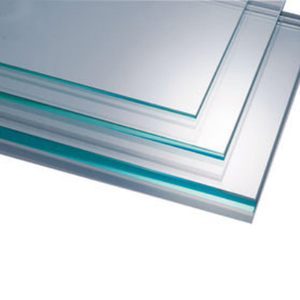
Driven by extreme ambient temperatures in Middle Eastern, South Asian, and tropical climates, procurement specifications require integrated systems combining thermal break window/door frames with double-glazed low-emissivity (Low-E) glass units. Polyamide PA66 GF25 thermal breaks prevent conductive heat bridging, significantly lowering building HVAC cooling loads and assisting developers in meeting strict energy intensity benchmarks.
4. Technological Innovations & Future Development Trends
The continuous innovation of aluminium composite manufacturing is breaking traditional boundaries, turning passive wall cladding into active, multi-functional building skins:
- Nanotechnology Self-Cleaning Coatings: Advanced hydrophilic titanium dioxide (TiO₂) nano-coatings cause rainwater to spread evenly across the panel surface rather than form droplets, floating away accumulated dust, industrial soot, and environmental pollutants. This significantly cuts facade maintenance expenses for high-rise towers.
- Building Integrated Photovoltaic (BIPV) Composite Panels: Next-generation architectural cladding panels embed thin-film solar photovoltaic layers directly into the aluminum composite structure, turning non-glazed exterior walls into silent electricity generators without compromising aesthetic finish options.
- Ultra-Lightweight Aluminum Honeycomb Matrix Hybrids: Replacing solid core materials with a hexagonal 3003-alloy aluminum honeycomb structure maximizes panel rigidity while cutting overall dead weight by up to 40%. This allows expansive panel dimensions (e.g., 1500mm x 6000mm) that remain completely flat without oil-canning or deflection under extreme wind pressure.
- Phase Change Material (PCM) Thermal Storage Cores: Micro-encapsulated organic PCMs integrated into the interior core absorb solar thermal energy during daytime hours and release it during nighttime cooling cycles, actively regulating indoor ambient room temperatures.
5. Enterprise Advantages: Direct Factory Competence & OEM Supply Chain Security
Partnering directly with an established OEM manufacturer eliminates multi-tiered distributor markups and guarantees single-source accountability from raw material sourcing through final delivery. Our manufacturing infrastructure provides distinct commercial and technical advantages:
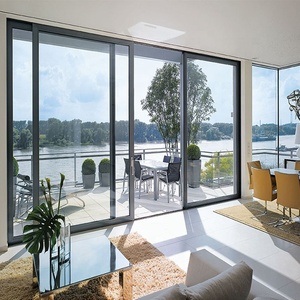
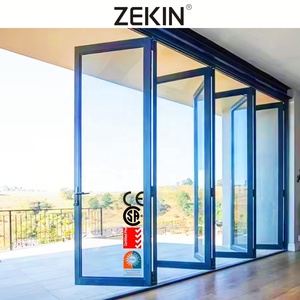
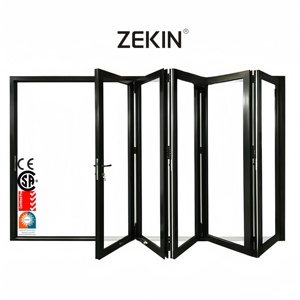
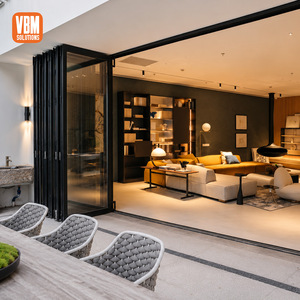
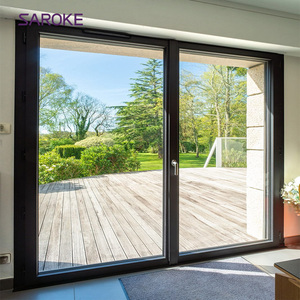
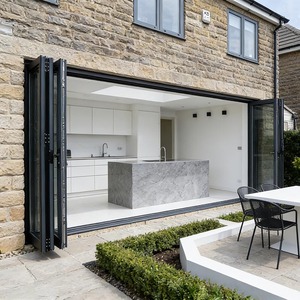
- In-House Tooling & Die Extrusion Capacity: We maintain a library of over 1,500 standard extrusion dies for sliding windows, bi-fold doors, curtain wall mullions, and cassette mounting systems. Custom die shapes can be designed, wire-cut, and sample-extruded within 10 to 14 business days.
- Automated Production Lines: Continuous automated lamination lines deliver consistent output capacities exceeding 15,000 square meters per day. Combined with automated multi-spindle CNC machining centers, project lead times stay predictable even during peak construction quarters.
- Rigorous Batch Traceability & Raw Material Verification: Raw aluminium coil batches are inspected for tensile yield, elongation, and coating thickness uniformity. Every exported pallet is stamped with a unique tracking lot number linking directly to mill test certificates (MTCs) and factory quality assurance logs.
- Seaworthy Export Packaging & Logistics Coordination: Panels and window frame systems are packed in heavy-duty fumigated timber crates, wrapped in moisture-barrier film, and reinforced with steel strapping to prevent damage during ocean transit.
Connect Directly with Our OEM Engineering Team
Require specialized profile die creation, custom RAL color matching, FR A2 mineral core submittals, or factory-direct bulk pricing for your upcoming project? Speak with our technical sales specialists today.
Contact Us6. Frequently Asked Procurement & Engineering Questions (FAQ)
What is the minimum order quantity (MOQ) for custom OEM composite panels and profile colors?
For standard stocked RAL colors (such as pure white, traffic black, metallic silver, and charcoal grey), the minimum order quantity starts at 600 m² per color thickness. For custom color matching, anodized metallic shades, or specialized wood grain sublimation, the standard MOQ is 1,000 m² per production batch to ensure color uniformity across the entire run.
How do FR A2 composite panels perform during high-temperature fire testing?
Our Fire-Retardant Class A2 mineral composite panels comply with EN 13501-1 (Class A2-s1, d0) and ASTM E84 testing protocols. Under direct flame exposure up to 800°C, the inorganic mineral core does not ignite, produce flaming droplets, or release dense toxic gases, providing critical evacuation time during structural emergencies.
Can your factory fabricate pre-cut and pre-grooved cassettes ready for immediate jobsite installation?
Yes. Our factory provides full CNC fabrication services including cut-to-size trimming, 90° and 135° V-grooving, corner notch punching, riveted aluminum angle stiffener installation, and pre-drilled mounting holes according to your approved shop drawings.
What warranty coverage is provided for PVDF coated exterior composite panels?
We provide a 15 to 20-year written factory warranty on standard 70% PVDF (Kynar 500) exterior surface coatings. This warranty guarantees that the surface will not crack, peel, blister, or suffer color fading exceeding 5 Delta E units (ASTM D2244) under severe environmental and solar radiation exposure.
How do thermal break aluminium windows and sliding doors reduce building energy costs?
Thermal break systems incorporate a low-conductive polyamide strip (PA66 GF25) inserted between the interior and exterior aluminum profile extrusions. This breaks the metallic thermal bridge, dramatically reducing the frame's overall heat transfer coefficient (U-factor) and decreasing interior air conditioning load by up to 30% in warm climates.
Which ocean transport packaging options are used to prevent transit damage?
All finished composite panels and window profile bundles are protected with a anti-scratch UV-resistant polyethylene protective film. Products are stacked on solid wood or steel skids, wrapped in shrink-wrap water barriers, fitted with edge guards, and packed inside fully enclosed, fumigated wooden cases suitable for long-distance container shipment.
Can you manufacture curved or architectural radius composite panels?
Yes. By utilizing precision 3-roller bending machines or controlled reverse V-grooving methods, our aluminum composite panels can be cold-bent to achieve concave, convex, or cylindrical radius shapes without surface cracking or micro-fracturing of the top skin.
How do I request physical material sample kits and architectural submittal binders?
You can request a complete architectural binder—including mill finish samples, PVDF color charts, core fire test reports, and profile extrusion cross-sections—by clicking our inquiry button below or contacting our technical sales team directly.
Ready to Elevate Your Architectural Project Specifications?
Submit your project drawings or BOQ quantities today for a rapid, factory-direct OEM estimate within 24 hours.