
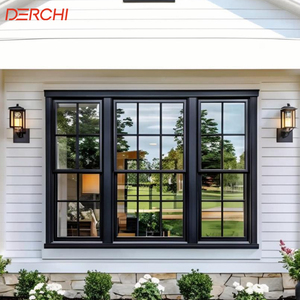
As the global construction sector accelerates toward stringent thermal efficiency standards and climate-resilient architecture, selecting high-performance frame extrusions from verified Chinese manufacturing hubs is paramount. Below is our curated matrix of top-tier window systems engineered by leading China best window frames factories, meeting North American (NFRC/AAMA), European (CE/EN), and Australian (AS2047) standards.
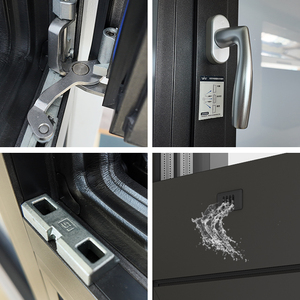
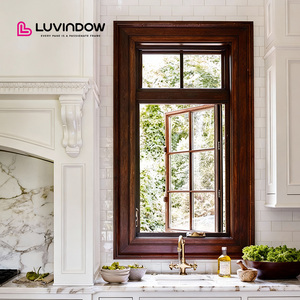
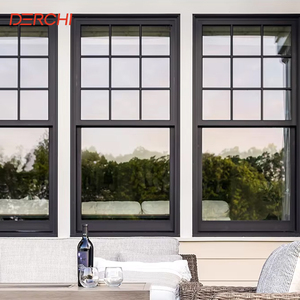
China’s dominance in structural fenestration manufacturing stems from vertically integrated industrial clusters, primary bauxite refining capabilities, and state-of-the-art CNC profile extrusion facilities. Top-tier factories located in industrial hubs like Foshan, Shandong, and Jiangsu do not merely assemble components—they control the full metallurgical process from raw ingot formulation to custom surface chemistry treatments.
Leading Chinese extruders utilize primary A00 grade aluminum ingots to create 6063-T5/T6 structural profiles. Tensile strength exceeds 205 MPa with yield strength above 180 MPa, enabling ultra-slim sightlines without compromising wind-load structural integrity.
To mitigate thermal bridging, premier factories integrate imported PA66-GF25 (25% Glass Fiber Reinforced Polyamide) thermal break strips. This mechanical separation achieves U-factors down to 0.79 W/m²K when paired with argon-filled low-E insulated glass units (IGUs).
Advanced vertical powder coating lines certified by AkzoNobel and PPG deliver fluorocarbon (PVDF) coatings resistant to salt spray testing (>4,000 hours ISO 9227), ideal for harsh coastal environments and high-UV tropical regions.
In addition to raw aluminum processing, modern manufacturing operations feature 5-axis CNC machining centers capable of milling tolerance controls within ±0.05mm. This micron-level precision ensures perfect corner crimping, seamless gasket integration, and flawless alignment of multi-point lock gearboxes (e.g., German Siegenia, Hoppe, or Roto hardware integrations).
Making an informed procurement decision requires analyzing structural performance, thermal transmittance, UV stability, and maintenance requirements across various profile substrates. The comprehensive technical matrix below details key metric benchmarks commonly requested by commercial architects and structural engineers.
| Frame Material System | Thermal Transmittance (U-Value) | Structural Wind-Load Capacity | Salt-Spray Corrosion Resistance | Expected Operational Lifespan |
|---|---|---|---|---|
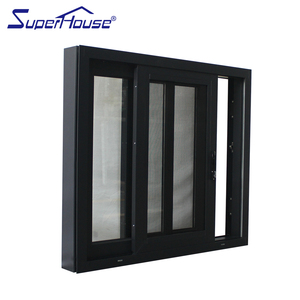
| Thermal Break Aluminum (PA66 Strip) | 0.8 – 1.4 W/m²K | Extreme (up to 5.0 kPa / ASTM E330) | Superior (PVDF/Anodized >4000 hrs) | 40 – 50+ Years |
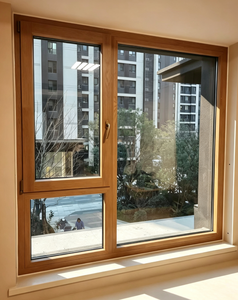
| Aluminum-Clad Solid Wood | 0.7 – 1.1 W/m²K | High (up to 3.5 kPa) | High (External Aluminum Shell) | 35 – 45 Years |
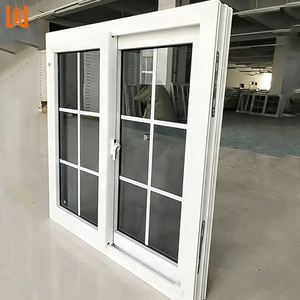
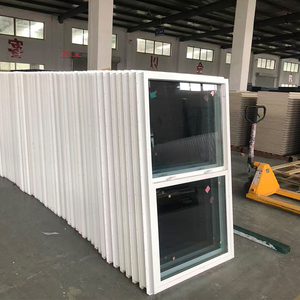
| High-Impact UPVC / Vinyl (Steel Reinforced) | 1.0 – 1.6 W/m²K | Moderate to High (up to 3.0 kPa) | Immune to Rust / Excellent | 25 – 35 Years |
| Standard Non-Thermal Aluminum | 2.8 – 5.0 W/m²K | High to Very High (up to 4.0 kPa) | Moderate to High (depends on finish) | 30 – 40 Years |
The international fenestration marketplace is experiencing a monumental shift driven by stringent carbon-neutrality mandates, digitalized BIM (Building Information Modeling) workflows, and modern off-site modular construction methods. Forward-thinking real estate developers and contractors sourcing from China must align with these four major evolutionary vectors:
In response to the European Union’s Carbon Border Adjustment Mechanism (CBAM), tier-1 Chinese factories are transitioning to hydro-powered and solar-smelted green aluminum, reducing embodied carbon emissions by up to 65% per ton of finished extrusion.
Architectural frame designs now feature embedded low-voltage wiring channels designed specifically for dynamic smart tinting glass (SPD/EC technology), allowing automated solar heat gain coefficient (SHGC) modulation via building management systems (BMS).
Instead of labor-intensive stick assembly on-site, modern factories export fully factory-glazed, unitized curtain wall frames equipped with EPDM weather sealing gaskets. This drastically reduces installation timelines by 40% for high-rise commercial structures.
Sourcing directly from Chinese fenestration factories requires rigorous technical due diligence. Below, our senior structural glazing consultants answer the most frequent operational, technical, and logistical questions encountered during commercial procurement.
Factories perform finite element analysis (FEA) software simulation to model wind pressure against specific profile cross-sections. Top manufacturers provide structural test reports certified according to ASTM E330 (Standard Test Method for Structural Performance) or EN 12210, verifying deflection limits remain within L/175 or L/250 under peak pressure design loads.
A baseline qualified manufacturer must operate under ISO 9001 (Quality Management) and ISO 14001 (Environmental Management). For specific regional market entry, verify factory compliance certificates such as AAMA/WDMA/CSA 101/I.S.2/A440 for North America, CE marking with EN 14351-1 for the EU, or AS2047 certification issued by SAI Global for Australia.
In severe winter conditions or high-humidity tropical marine climates, non-insulated aluminum frames drop below the atmospheric dew point, creating interior condensation. By inserting a low-thermal-conductivity polyamide strip (PA66-GF25), the indoor surface temperature of the aluminum profile remains significantly closer to ambient room temperature, eliminating moisture accumulation and mold risk.
For standard stock extrusions (powder-coated white, black, or anodized silver), MOQs can start as low as 50–100 square meters. For custom-designed extrusions requiring new die creation, die tooling takes approximately 7–12 days. Once die trials are approved, full container production (20GP/40HQ) typically requires 20 to 30 days depending on surface finishing complexity.
Commercial fenestration products undergo a five-layer protection protocol: (1) Protective film applied on aluminum profile surfaces, (2) EPDM corner guards, (3) Corrugated cardboard wrapping, (4) Waterproof PE shrink film, and (5) Fully enclosed non-fumigation plywood crates with internal airbag padding for container transport.
Yes. Premier OEM/ODM manufacturers maintain direct supply chain integration with global hardware leaders like Siegenia, Roto, Hoppe, Sobinco, and Cindex. They can pre-drill CNC lock-pocket routing according to your specified hardware template, or supply fully fitted concealed hinge systems pre-tested at the factory.