As international architectural standards demand lower U-factors, superior acoustic insulation, and hurricane-grade structural performance, selecting the right China sliding window manufacturer requires rigorous technical due diligence. This comprehensive buyer whitepaper explores raw material metallurgy, thermal break precision, dual/triple glazing configurations, and export compliance under AS2047, NFRC, and CE certifications.
Explore our certified export series engineered for modern residential luxury, high-rise commercial facades, and energy-efficient building envelopes.
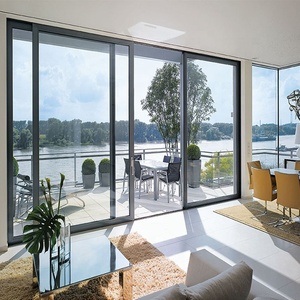
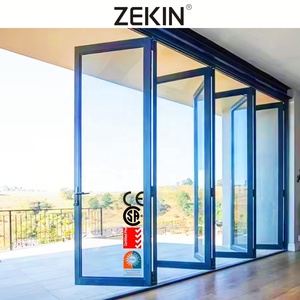
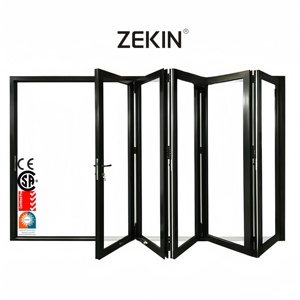
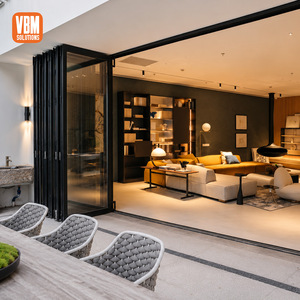
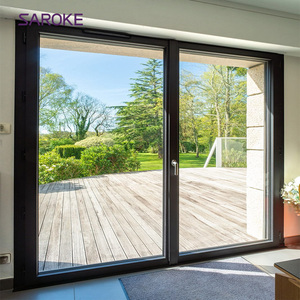
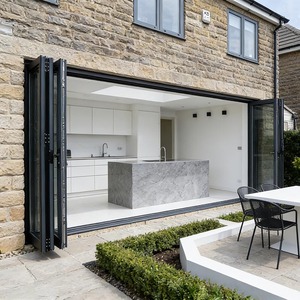
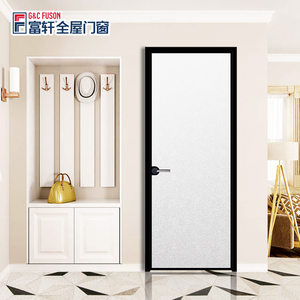
Understanding structural profile geometry, thermal breaking technologies, and glazing acoustics allows procurement managers to mitigate architectural risks and achieve LEED certification compliance.
China’s top exporters utilize high-density 6063-T5 and 6063-T6 architectural aluminum alloys. These extrusions boast a tensile strength exceeding 185 MPa and yield strength over 110 MPa. Frame wall thicknesses range from 1.4mm for standard residential windows to 2.0mm–3.0mm for heavy-duty commercial sliding doors, ensuring structural rigidity under intense wind load stress.
To prevent severe energy loss in harsh climates, high-end sliding systems incorporate PA66-GF25 (25% Glass Fiber Reinforced Polyamide) insulation strips. This thermal barrier prevents thermal bridging, reducing overall window U-factors down to ≤1.4 W/m²K (0.25 BTU/hr-ft²-°F), outperforming traditional un-insulated PVC or standard aluminum profiles.
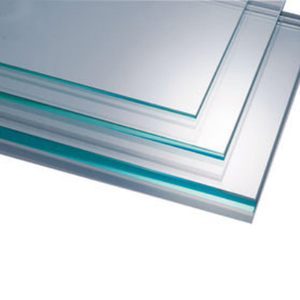
Glazing configurations include double (5mm+12Ar+5mm) or triple insulated glass units (IGUs) filled with 90%+ Argon gas. Featuring Low-E coatings and acoustic PVB laminated interlayers, these systems achieve an Acoustic Sound Transmission Class (STC) rating of up to 42–45 dB, effectively isolating airport and urban highway noise.
| Performance Parameter | Standard Residential Sliding | Thermal Break Heavy-Duty Sliding | Ultra-Narrow Slim Patio Door |
|---|---|---|---|
| Aluminum Profile Thickness | 1.4 mm - 1.6 mm | 2.0 mm - 3.0 mm | 2.0 mm - 2.5 mm |
| Thermal Insulation Strip | N/A (Non-thermal) | PA66-GF25 Structural Strip | Concealed Thermal Barrier |
| U-Factor Rating (W/m²K) | 2.8 - 3.4 W/m²K | 1.2 - 1.6 W/m²K | 1.4 - 1.8 W/m²K |
| Acoustic Insulation (STC) | 28 - 32 dB | 38 - 45 dB | 35 - 40 dB |
| Wind Pressure Resistance | ASTM E330 Class 30 (1500 Pa) | AS2047 N6 / Hurricane Class (4500 Pa) | AS2047 N4 (3000 Pa) |
| Hardware & Lock Duty Cycle | 20,000 Cycles | 100,000+ Heavy-Duty Cycles | 50,000 Cycles |
The global fenestration market is undergoing a rapid architectural evolution. B2B importers, property developers, and general contractors sourcing from China must align their purchasing strategies with upcoming regulatory, environmental, and design shifts:
Architectural demand is shifting toward maximum glass surface area and invisible frames. Contemporary sliding systems feature interlock vertical sightline widths as slim as 18mm to 25mm. Concealed outer frames embedded into ceiling and floor structures provide seamless indoor-outdoor transitions for luxury villas and high-end residential towers.
Commercial real estate and smart homes are adopting automated sliding panels capable of handling heavy glass weights up to 500kg per leaf. Electric motorized tracks equipped with radar motion detection, smartphone App connectivity, dynamic obstruction sensing, and smart home hub synchronization are rapidly becoming standard RFP procurement requirements.
European and North American markets are enforcing strict environmental product declarations (EPDs). Chinese exporters are increasing their reliance on recycled aluminum billets produced via hydroelectric power. Selecting suppliers that offer certified low-embodied carbon aluminum allows procurement teams to secure green building incentives such as LEED v4.1 and BREEAM credits.
China's fenestration manufacturing sector has migrated from traditional manual assembly to Industry 4.0 automated production lines. Understanding these technological advancements helps buyers identify true high-tier manufacturers:
Automated CNC Machining & Precise Corner Crimping: Leading Chinese factories deploy 5-axis CNC machining centers that perform milling, drilling, and lock-pocket routing in a single setup. Frame corners no longer rely solely on mechanical screws; instead, they feature hydraulic corner crimping combined with dual-component corner injection glue (epoxy sealant). This guarantees 100% water tightness and structural squareness over decades of operation.
High-Durability Surface Finishing Standards: To withstand harsh marine atmospheric conditions, desert UV exposure, and thermal shock, premier suppliers execute surface treatments complying with international AAMA 2604 and AAMA 2605 specifications. Fluorocarbon (PVDF) 3-coat spraying systems and 25-micron hard anodizing ensure color retention without chalking or fading for over 20–25 years.
Our manufacturing facility combines rigorous engineering discipline, certified material supply chains, and extensive export experience to deliver zero-defect architectural glazing packages worldwide:
Every order begins with complete shop drawing submittals, wind load calculation reports, and 3D BIM object integration. Operating under strict ISO 9001 quality management systems, our in-house cutting, milling, assembling, and glazing processes ensure exact dimensional tolerances within ±0.5mm.
Our window and door systems undergo third-party laboratory testing to satisfy stringent regional standards, including Australia AS2047 / AS1288, North American NFRC / AAMA / WDMA, and European CE (EN 14351-1) compliance for air infiltration, water penetration resistance, and ultimate strength.
Protective Export Packaging & Logistics Control: To eliminate glass breakage and surface scratching during maritime transport, windows are packed with corner guards, protective anti-scratch films, fully enclosed IPPC-certified fumigated plywood crates, and heavy-duty steel frame pallets designed for fast forklift unloading.
Expert technical answers addressing common procurement inquiries, shipping safety, custom specifications, and quality guarantees.
Depending on your destination market, windows must comply with specific structural and thermal standards. For Australia and New Zealand, AS2047 and AS1288 are mandatory. For North America, NFRC energy ratings and AAMA window performance ratings are required. For Europe, CE marking under EN 14351-1 is standard. Premier Chinese exporters provide certified lab test reports from NATA or IGCC accredited laboratories.
Standard production lead time ranges from 20 to 35 calendar days following final CAD shop drawing approval and deposit confirmation. For custom extruded profile colors or specialized architectural glass (such as triple Low-E ceramic frit or bullet-resistant laminated glass), lead times may extend to 40 days.
Thermal break windows feature a polyamide (PA66-GF25) barrier separating interior and exterior aluminum frames. In hot tropical climates (e.g., Middle East, Coastal South America), it blocks external solar heat transfer into the building. In cold winter climates (e.g., Northern US, Canada, Scandinavia), it prevents interior heat escaping and eliminates indoor frame condensation.
High-end export systems incorporate world-class hardware solutions such as German Siegenia, Hoppe, GU, and Roto, or top-tier domestic brands like KIN LONG and HOPO. Hardware selection includes heavy-duty stainless steel 304 tandem rollers rated for 150kg–300kg per sash, multi-point gear locking systems, and anti-lift security blocks.
Glazing is packaged using reinforced rubber corner protectors, inter-pane shock-absorbing foam spacers, waterproof shrink wrapping, and heavy-duty steel-reinforced plywood crates. Containers are loaded with air-bag dunnage to prevent side-to-side shift during maritime rough sea conditions.
While standard residential stock models have an MOQ of 10 to 20 square meters, full custom project orders (matching specific architectural colors and custom frame profiles) typically start at 50 to 100 square meters. Volume discounts apply for full container load (FCL 20GP / 40HQ) shipments.
Yes. Experienced engineering teams utilize finite element analysis (FEA) software to calculate deflection values (L/175 or L/250) based on local wind speeds (m/s or mph), elevation height, exposure category, and building code parameters prior to profile extrusion.
Standard export warranties include 10 years on aluminum profiles against structural deformation, 10 years on surface coatings (PVDF/Powder coating) against excessive chalking or peeling, 5 to 10 years on insulated glass seal failure (fogging), and 5 years on mechanical hardware functionality.
Whether you require custom CAD shop drawings, technical sample submittals, or factory-direct B2B price quotations for your upcoming residential or commercial development, our engineering team is available 24/7 to assist.