Choosing Double Glazed Aluminium Windows is not just a style decision. The right system should suit your climate, opening sizes, daily use, and budget. Look closely at frame depth, glass specification, seals, drainage, and hardware. A slim frame can admit more daylight, but glass performance and careful installation matter just as much. Ask suppliers for written specifications, product test information, and clear warranty terms. Do not rely on appearance alone.
Architect Ludwig Mies van der Rohe is often associated with the design maxim, “God is in the details.” It is a useful reminder here: inspect the corner joints, handle movement, gasket fit, and finish under real light. Small details show. This guide explains how to compare thermal performance, noise reduction, security features, and maintenance needs without treating one specification as a universal answer. A window facing a busy street may need different glazing from one overlooking a quiet garden. Even so, product ratings cannot guarantee the result if the opening is measured poorly or installation is rushed.
There is no perfect choice for every home. Some attractive frames may not suit every building, and quoted energy savings deserve careful checking. Use the comparison points ahead to ask sharper questions, check evidence, and choose Double Glazed Aluminium Windows that fit your project—not just the brochure.
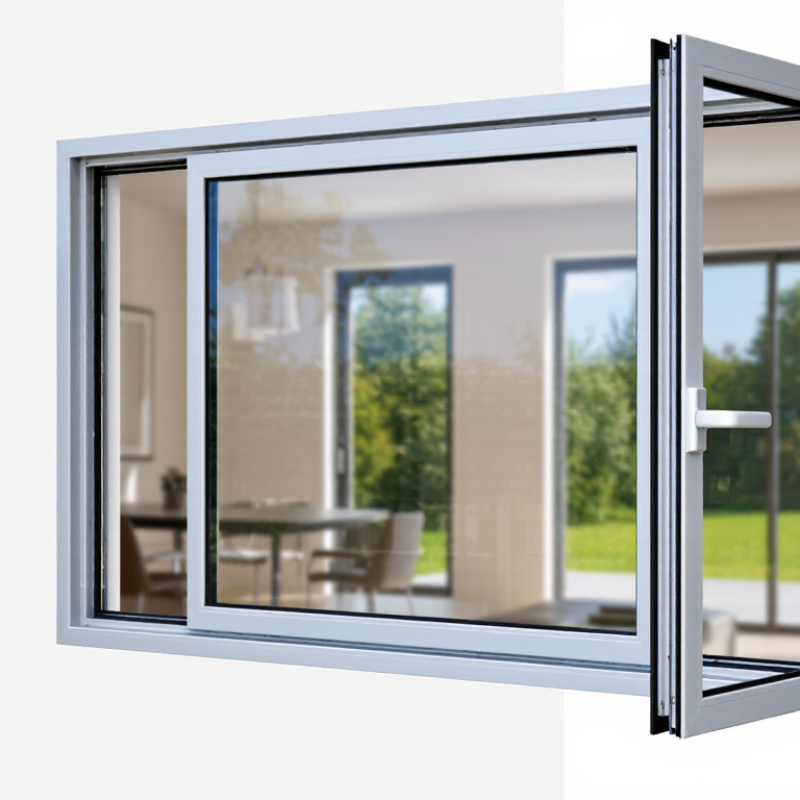
Understanding Double-Glazed Aluminium Windows
How to Choose Double Glazed Aluminium Windows
Understanding Double-Glazed Aluminium Windows
Double glazing pairs two glass panes with a sealed gap, slowing heat transfer and outside noise. Aluminium frames are strong and slim, but metal conducts heat readily. Look for a thermal break: an insulating section between the frame’s inner and outer surfaces. Without it, the frame can feel cold and may contribute to condensation. Small details matter.
The U.S. Department of Energy’s Energy Saver guidance estimates that windows account for 25%–30% of residential heating and cooling energy use. This figure covers windows generally, not aluminium double glazing alone. Compare whole-window U-factor and solar heat gain coefficient (SHGC), rather than judging by glass thickness. The National Fenestration Rating Council explains these ratings; lower U-factor generally means less heat loss, while suitable SHGC depends on climate and window orientation. A sunny west-facing room may need a different balance from a shaded north-facing one. Ratings help, but installation quality still counts.
Tip: Ask for the NFRC label and check seals, drainage paths, and corner joints. Poor fitting can undermine good glazing. One caveat: performance figures cannot predict every home’s comfort; shading, ventilation, and local weather also matter.
Assessing Your Home’s Size, Style, and Climate Needs
Choosing double-glazed aluminium windows starts with the house, not the catalogue. Measure each opening, then note room use, window orientation, and existing frame depth. A compact bedroom may need modest glazing, while a large south- or west-facing living room can gain substantial afternoon heat. Details matter. Aluminium frames are strong and slim, but thermal breaks help limit heat transfer through the metal.
Climate changes the specification. In cold regions, compare products with lower U-factors to reduce heat loss. In hot, sunny areas, a lower solar heat gain coefficient can help limit unwanted warmth.
The U.S. Department of Energy estimates that windows account for 25–30% of residential heating and cooling energy use. That makes glass area and performance more than cosmetic choices. Ask for National Fenestration Rating Council (NFRC) ratings, which provide a consistent basis for comparing U-factor and solar heat gain coefficient.
Also consider local weather and daily habits. Wind-driven rain, strong sun, and frequent temperature swings can affect comfort and durability. A shaded façade may not need the same solar control as an exposed one. I would not choose from climate labels alone; nearby trees and neighboring buildings matter, too. A small oversight: check whether the open sash will clear furniture, curtains, or a narrow balcony. The “best” specification is not always obvious. And budgets do count.
Comparing Frame Designs, Glass Types, and Opening Styles
How to Choose Double Glazed Aluminium Windows
Double-glazed aluminium windows pair slim frames with two panes and an insulating cavity. Start by comparing frame designs. A narrow profile can admit more daylight, while a thermally broken frame helps limit heat transfer through the metal. Check corner joints, drainage slots, and the finish sample in daylight. Small details matter.
Tips: Match glass to the room. Low-emissivity glass can reduce heat loss, while solar-control glass may help on sunny elevations. Acoustic laminate can soften traffic noise, but results depend on installation and surrounding walls. Ask for the glass build-up, U-value, and tested sound rating in writing. Numbers help.
Opening style affects daily use. Casement windows often seal tightly and open wide for ventilation, but need clear space outside. Sliding designs suit patios and narrow walkways, though one panel usually stays fixed. Tilt-and-turn hardware offers flexible ventilation, yet its operation may feel unfamiliar at first. Measure handles against nearby taps, blinds, or furniture. A deep sill is easy to overlook; check it before ordering, or the sash may feel awkward. Ask how the window will be cleaned and serviced, especially on upper floors. Choose a configuration you can use comfortably, not just one that looks minimal.
Evaluating Thermal, Acoustic, and Security Performance
How to Choose Double Glazed Aluminium Windows
Evaluating Thermal, Acoustic, and Security Performance
Start with the declared whole-window U-factor, not just the centre-pane figure. The U.S. Department of Energy’s Energy Saver guidance estimates that windows account for about 25–30% of residential heating and cooling energy use. Compare certified ratings for the complete unit, including its frame and spacer. A lower U-factor indicates less heat transfer, while the solar heat gain coefficient helps assess sunlight entering the room. In a sunny space, low heat loss alone may not prevent summer overheating.
For noise, request test data for the exact glass, frame, seals, and opening style. Small gaps matter. The World Health Organization’s 2018 Environmental Noise Guidelines recommend road-traffic exposure below 53 dB Lden and night exposure below 45 dB Lnight. These are outdoor health recommendations, not guarantees of indoor quiet. Ask for laboratory results using recognized methods, and compare the same rating system: Rw and STC values are not directly interchangeable.
Security also depends on the complete assembly. Check whether the frame, glazing, locks, and fixings were tested together against a recognized forced-entry standard, such as EN 1627, and confirm the resistance class. A strong lock on a weak frame is a mismatch. Ask how the test sample was installed and whether your opening can match those conditions. Paper ratings can disappoint when fitting is rushed; the sill detail is easy to overlook.
Checking Installation Standards, Maintenance, and Warranties
How to Choose Double Glazed Aluminium Windows: Checking Installation Standards, Maintenance, and Warranties
A good window specification means little if the frame is fitted poorly. Ask the installer to identify the local installation standard and show how the opening will be checked for level, square, and secure fixing. Before work begins, confirm how the perimeter will be sealed against rain and air leaks. A neat bead of sealant is not proof of a sound installation. Small gaps matter. The U.S. Department of Energy’s Energy Saver guidance, “Update or Replace Windows,” estimates that heat gain and loss through windows account for about 25–30% of residential heating and cooling energy use. That makes careful fitting more than a cosmetic detail. Request written records, including product performance ratings, installation details, and any inspection results.
Maintenance should be practical, not mysterious. Check drainage slots for leaves, wipe tracks, and inspect seals for cracking or separation; avoid harsh cleaners that could damage aluminium finishes. Even a good checklist can miss a slow leak, so look again after heavy rain. Keep the paperwork. Read the warranty for its duration, covered components, exclusions, and claim procedure. Ask whether labour, glass units, hardware, and finish are covered separately, and whether maintenance requirements affect cover. A warranty is useful only when its terms match the risks you care about. Keep dated invoices and photographs of the installed frames; they can help document a problem, though they cannot guarantee a claim will be accepted.
Choosing Double-Glazed Aluminium Windows: Air-Permeability Classes
Use the declared air-permeability class as one installation-quality check. This chart shows the EN 12207:2016 reference air-permeability limits at 100 Pa. Lower values indicate less air leakage; ask for the product’s classification and test documentation, and confirm that installation follows the manufacturer’s instructions.
Reference values: EN 12207:2016, air permeability at 100 Pa, expressed per square metre of total window area. Performance of the installed window also depends on correct fitting and sealing.
Conclusion
Choosing Double Glazed Aluminium Windows involves balancing comfort, appearance, durability, and budget. Start by considering your home’s size, architectural style, and local climate, since these factors influence suitable frame designs, glass options, and opening styles. Compare how different configurations affect natural light, ventilation, privacy, and the overall look of each room.
Then assess performance beyond appearance. Look for glazing and frame combinations that support thermal efficiency, reduce unwanted outside noise, and provide an appropriate level of security. Before making a decision, confirm that the windows will be installed to relevant quality standards and suited to your home’s structure. Consider the cleaning and maintenance each design requires, and review the warranty terms so you understand what is covered. A careful comparison of these points can help you select windows that meet your practical needs and remain a good fit for your home over time.