Choosing Aluminium Security Cabins is not simply a matter of selecting the thickest panels or the most impressive lock. Every project has different risks, users, weather conditions, and access requirements. A temporary construction site may need a compact guard cabin with clear sightlines, anti-slip flooring, LED lighting, and a weatherproof communication point. A logistics facility may require stronger access control, reinforced glazing, thermal insulation, and space for monitoring equipment. The right decision begins with the site, not the brochure.
Mark Ellison, an independent modular security consultant, states, “A secure cabin must protect people, not merely equipment.” That principle should guide every specification. Review the aluminium grade, frame construction, door hinges, lock system, window design, drainage, ventilation, and electrical installation. Confirm that the manufacturer provides test records, installation guidance, maintenance information, and relevant product certifications. Small details matter. Poorly sealed joints can admit rain. Glare can reduce visibility. An oversized cabin can waste budget and usable space.
No checklist is perfect. Real sites change.
Experienced suppliers should explain what their cabins can and cannot achieve. They should not promise absolute protection. Instead, they should help match physical security with lighting, procedures, access management, and trained personnel. Consider future relocation, cleaning, repairs, and emergency access before ordering. A practical Aluminium Security Cabins solution is secure, durable, comfortable, and proportionate to the project. It should also remain dependable after months of mud, dust, temperature changes, and daily use. That is where attractive specifications meet reality.
Understanding Aluminium Security Cabins and Their Main Applications
How to Choose Aluminium Security Cabins for Any Project?
Understanding Aluminium Security Cabins and Their Main Applications
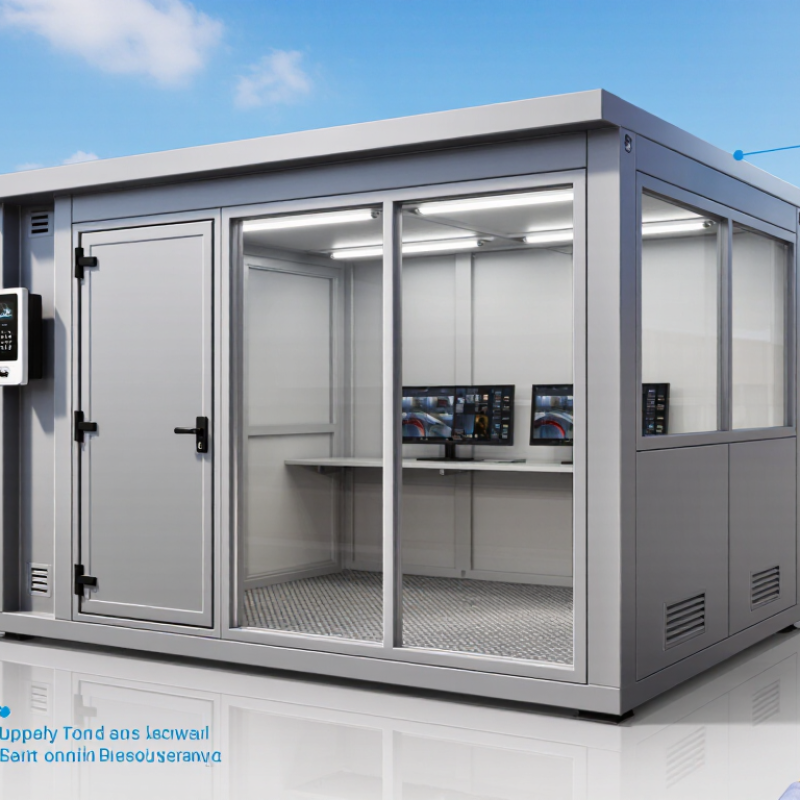
An aluminium security cabin is a compact, weather-resistant workspace for controlled access and on-site observation. Manufacturers typically use lightweight aluminium panels, insulated cores, secure doors, viewing windows, and electrical fittings. Aluminium resists corrosion and reduces installation effort, especially where cabins may be relocated. However, thin panels can transmit heat, noise, and condensation.
That detail matters.
These cabins serve construction entrances, warehouses, logistics yards, utility sites, parking areas, and temporary events. A guard may need clear visibility, task lighting, ventilation, and a stable desk during a long shift. At a loading area, the cabin may require sliding windows, communication equipment, and space for visitor records. Public locations also need careful attention to access, safe wiring, emergency routes, and local building requirements.
Choosing the right model begins with the environment, not appearance. Measure the available ground, vehicle movement, prevailing weather, and expected occupancy. Check the insulation rating, door hardware, window position, floor strength, and drainage arrangements.
Coastal projects may need extra protection against salt exposure. Cold regions may require stronger thermal insulation and heating provisions.
A common mistake is selecting the smallest cabin to reduce cost. It may later feel cramped, difficult to ventilate, or unsuitable for equipment.
No layout is perfect. Site conditions can change, so practical consultation, documented specifications, and a realistic maintenance plan make the decision more reliable.
Identifying Project Requirements for Size, Layout, and Security
How to Choose Aluminium Security Cabins for Any Project?
Identifying Project Requirements for Size, Layout, and Security
Choosing an aluminium security cabin starts with the work happening inside it. A gatehouse may need space for one operator, a desk, a monitor, and visitor records. A site office may require two workstations, storage, and heating equipment. Measure every item before selecting the cabin size. Door swings, chair movement, and cable routes often consume more space than expected.
Visibility deserves equal attention. Position windows to give operators a clear view of gates, walkways, and vehicle approaches. Avoid placing shelves where they block sightlines. Consider glare during morning and afternoon shifts. A small canopy can reduce rain and sunlight near the entrance. It sounds minor. It affects daily comfort.
Security requirements should match the site’s actual risks. Specify reinforced doors, reliable locking hardware, impact-resistant glazing, and controlled access where appropriate. Ventilation, lighting, alarms, and camera connections should be planned before installation. Check ground conditions, delivery access, fire provisions, and accessibility requirements with qualified professionals. Local rules may influence the layout. I once assumed a compact cabin would be more efficient, but crowded equipment made routine tasks awkward. That mistake showed me that drawings need human movement, not just measurements. Leave practical clearance, even when the budget feels tight.
Comparing Materials, Designs, and Essential Cabin Features
How to Choose Aluminium Security Cabins for Any Project?
Aluminium security cabins must match the site, not just the budget.
In warehouse entrances, assess traffic, weather, visibility, and daily occupancy before comparing models. A cabin near a loading bay needs different protection from one beside a quiet construction gate.
Material choice affects service life. Powder-coated aluminium resists corrosion and keeps the structure light. Insulated sandwich panels improve temperature control, especially under strong afternoon sun. Toughened safety glass supports clear observation, while solid lower panels offer privacy and impact resistance. Thin frames create more viewing area, but they can feel less substantial. That trade-off deserves attention.
Design details often determine real performance.
Check the roof slope, drainage edges, door seals, ventilation, and lock protection. A raised floor can reduce water entry after heavy rain. Non-slip flooring helps when boots carry mud inside.
LED lighting, power outlets, and a compact desk support long shifts without crowding the operator. Ask for documented material specifications, structural calculations, and installation guidance.
These records make comparisons more reliable and help confirm alignment with local building and electrical requirements. Do not overlook maintenance access.
A beautiful cabin becomes inconvenient when one failed fitting requires removing an entire panel. Appearance is not everything. A practical design leaves room for cleaning, repairs, and future equipment. Small details matter.
Evaluating Installation Conditions, Compliance, and Long-Term Maintenance
How to Choose Aluminium Security Cabins for Any Project?
Evaluating Installation Conditions, Compliance, and Long-Term Maintenance
A suitable aluminium security cabin starts with a careful site assessment. Check ground levels, drainage, wind exposure, and available lifting access. A level concrete base prevents door distortion and standing water. Measure twice. Access matters.
Experienced installers also inspect nearby power, data, and emergency routes before delivery. The cabin should allow safe cable entry without weakening its frame. Consider visibility from the entrance, night lighting, internal workspace, and wheelchair access. A compact design may look efficient, but poor circulation quickly becomes frustrating. I have seen neat layouts fail because doors opened toward essential equipment. That small mistake deserved more attention.
Compliance requires documented materials, structural calculations, electrical protection, fire performance, and local approval requirements. Requirements vary by location and project use. Ask the supplier for test reports, installation drawings, maintenance instructions, and traceable component details. Do not rely on verbal assurances alone. Reliable documentation supports inspections and future repairs.
Long-term care is simple when planned early. Rinse aluminium surfaces after exposure to salt, dust, or construction residue. Inspect hinges, locks, seals, roof joints, and drainage paths every few months. Replace damaged seals before moisture reaches insulation or wiring. Keep an inspection log with dates and photographs. Powder coatings can still suffer from scratches, so touch-up methods must match the finish. Maintenance is often underestimated. A cabin that looks secure may still need regular adjustment.
How to Choose Aluminium Security Cabins for Any Project?
EN 1627 resistance classes define the minimum manual attack resistance time used in laboratory testing. Select the class according to the site risk, installation conditions, and required compliance level.
Installation Conditions
Check the foundation, anchoring points, access route, weather exposure, drainage, and available installation clearance before choosing the cabin configuration.
Compliance
Verify that the complete door, wall, frame, lock, glazing, and anchoring assembly is tested and installed according to the required EN 1627 resistance class.
Long-Term Maintenance
Plan periodic checks for hinges, locks, seals, fasteners, corrosion, drainage, and any damage caused by impact or environmental exposure.
Reference: EN 1627 resistance classes and specified manual attack resistance times. The complete installed cabin assembly must be assessed rather than individual aluminium components alone.
Selecting the Right Supplier, Configuration, and Overall Value
Choosing an aluminium security cabin starts with the supplier, not the catalogue image.
Ask how profiles are engineered, where components are sourced, and who handles installation support. An experienced supplier should explain wind loads, insulation options, drainage, door hardware, and access control clearly. Vague answers create expensive uncertainty later. Request drawings, load data, maintenance guidance, and examples of comparable projects. I have found that responsive communication often predicts smoother delivery better than a low initial quote.
Configuration should match the site’s real routine.
A temporary gate cabin may need visibility, heating, lighting, and a compact desk. A remote construction site may require stronger insulation, anti-slip flooring, reinforced doors, and protected cable routes. Consider delivery access too. A beautifully equipped cabin can become a problem if a crane cannot position it safely. Check panel thickness, frame treatment, glazing, ventilation, and future replacement access before approving drawings. Do not pay for features nobody will use.
Overall value is more than purchase price.
Compare transport, assembly, foundations, energy use, warranty terms, spare parts, and service response. Aluminium can resist corrosion well, but performance still depends on joints, coatings, and workmanship. That detail is easy to overlook. I would also question impressive specifications that lack test records or clear assumptions. The best choice may not be the cheapest or most advanced. It should be practical, maintainable, and suitable for the people using it every day. Leave room for review; project conditions often change after the first survey.
FAQS
Assess traffic, weather, visibility, drainage, and daily occupancy. A loading-bay cabin needs stronger protection than a quiet gate cabin. Measure twice.
Powder-coated aluminium reduces corrosion and keeps the structure lightweight. Insulated panels help control heat during strong afternoon sunlight. Safety glass improves observation, while solid lower panels add privacy.
Check roof slope, drainage edges, door seals, ventilation, and lock protection. A raised floor can reduce water entry after heavy rain. Non-slip flooring helps when muddy boots enter.
LED lighting, power outlets, and a compact desk improve daily comfort. The layout should leave clear space around doors and equipment. Small spaces become frustrating quickly.
Inspect ground levels, drainage, wind exposure, and lifting access. A level concrete base helps prevent door distortion and standing water. Also check nearby power, data, and emergency routes.
Request material specifications, structural calculations, electrical information, and installation drawings. Ask for test reports, maintenance instructions, and traceable component details. Do not rely on verbal assurances alone.
Choose panels that allow easy access to hinges, locks, seals, and wiring. Inspect roof joints and drainage paths every few months. Keep dated photographs.Rinse surfaces after salt, dust, or construction residue exposure. Replace damaged seals before moisture reaches insulation or wiring.
Compare transport, foundations, assembly, energy use, warranty terms, spare parts, and service response. Ask how profiles are engineered and who supports installation. A low quote may hide later costs.Do not pay for unused features. The most advanced option may not suit the site. Review the decision after the first survey.
Conclusion
Choosing the right Aluminium Security Cabins begins with understanding how they will be used, whether for site offices, guard stations, equipment protection, or controlled access points. Project planners should define the required size, internal layout, number of occupants, access arrangements, visibility, ventilation, lighting, and security level before selecting a configuration. These details help ensure the cabin supports daily operations without unnecessary space, cost, or complexity.
Material quality, structural design, insulation, doors, windows, locks, and optional electrical or communication features should be compared carefully. Installation conditions, transport access, ground preparation, local regulations, fire safety requirements, and future maintenance needs are equally important. A reliable supplier should provide clear specifications, practical customization, installation guidance, replacement support, and transparent pricing. By balancing performance, compliance, durability, usability, and total ownership cost, project owners can select Aluminium Security Cabins that deliver dependable protection and long-term value across different environments.