0%

Choosing China’s best Aluminium Shopfront Systems requires more than comparing catalogue prices. Global buyers need a system that performs well on busy streets, in humid coastal towns, and through changing seasons. A polished frame means little if water enters around the sill or doors sag after repeated use.

John R. Lewis, an independent building-envelope consultant, states, “A successful shopfront is measured by daily performance, not by showroom appearance.” This practical view matters. Aluminium Shopfront Systems should be assessed through alloy grade, profile strength, glazing compatibility, thermal movement, drainage design, and hardware quality. Buyers should also examine powder-coating thickness, colour consistency, corner joints, seals, and replacement support.

Real projects reveal the truth. A retail entrance may open hundreds of times daily. A narrow frame may face strong wind. A dark finish may absorb intense sunlight. Small details become expensive problems.

China offers broad manufacturing capacity, flexible customization, and competitive production for international projects. Yet quality varies between factories. Not every attractive sample represents stable mass production. That is uncomfortable, but important.

Reliable sourcing requires drawing reviews, material certificates, factory audits, prototype testing, and clear packaging instructions. Buyers should confirm relevant local building requirements before ordering. Fire safety, accessibility, energy performance, and structural standards differ by market.

This guide will examine leading Chinese suppliers, system features, customization options, testing practices, and after-sales risks. It will not treat the lowest quotation as the automatic winner. Sometimes, the cheaper frame is the costly decision. Performance, documentation, installation guidance, and long-term service deserve equal attention.
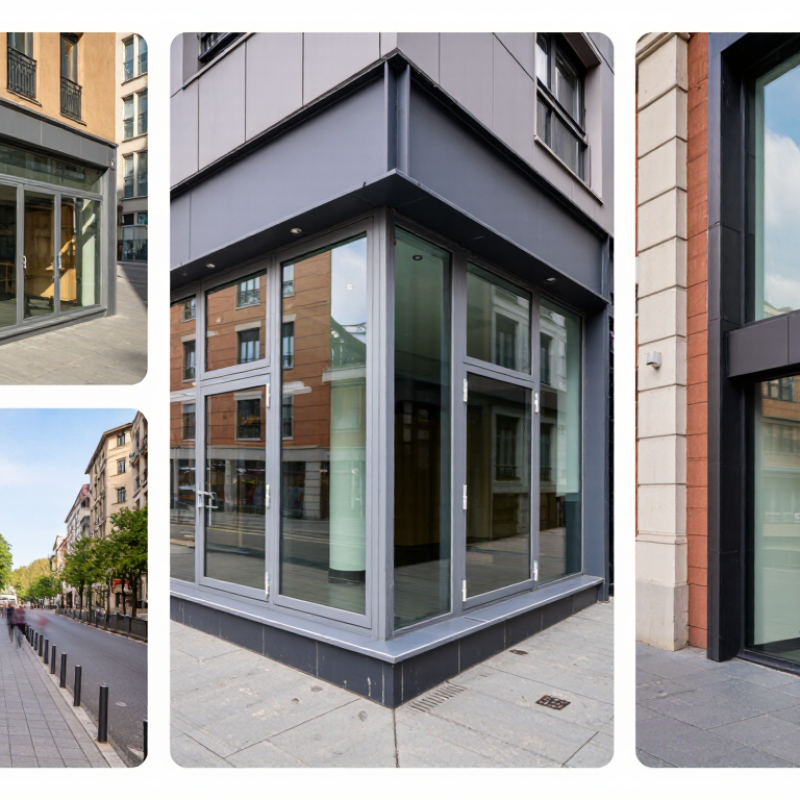
China Best Aluminium Shopfront Systems for Global Buyers?

Types of Aluminium Shopfront Systems Available from Chinese Manufacturers

Chinese manufacturers offer several aluminium shopfront systems for global buyers. Framed systems use visible aluminium mullions around glass panels. They provide strong support and clear installation lines. Frameless systems create a cleaner appearance with fewer vertical profiles. They suit boutiques, reception areas, and modern commercial interiors. However, frameless designs need accurate glass sizing and careful site measurements.

Sliding shopfront systems help businesses control entrances in narrow corridors. Folding systems open wider and support flexible retail layouts. Automatic sliding doors improve access in busy buildings, especially where hands-free entry matters. Hinged doors remain practical for smaller storefronts and simpler maintenance. Thermally broken aluminium systems reduce heat transfer between indoor and outdoor surfaces. They are useful in offices, hotels, and shops facing changing climates.

Material selection needs more than a catalogue image. Buyers should check alloy grades, profile thickness, glass specifications, drainage paths, and hardware performance. Powder coating and anodising offer different surface finishes and maintenance needs. Requesting corner samples can reveal colour differences that drawings hide. Factory inspection records and installation guides also improve purchasing reliability. A low quotation may exclude reinforced corners, upgraded locks, or proper packing. That mistake becomes expensive later. Some specifications still need reconsideration, especially when local wind loads or accessibility rules differ from the factory’s usual market. Clear drawings, test data, and written tolerances make communication safer.

Key Design, Material, and Performance Standards for Global Projects

China Best Aluminium Shopfront Systems for Global Buyers?

Key Design, Material, and Performance Standards for Global Projects

A reliable aluminium shopfront begins with the project environment, not a catalogue image. Coastal sites need stronger corrosion protection and careful drainage details. Busy retail entrances also require robust hinges, closer hardware, and replaceable seals. A 1.2-metre bay may look efficient, but local wind pressure can require smaller modules or thicker profiles.

Common aluminium grades include 6063-T5 and 6063-T6, selected according to structural demand and finish requirements. Powder coating should follow an approved thickness range, colour reference, and adhesion test. Anodising needs controlled film thickness and consistent pretreatment.

Small colour differences can appear between production batches. That detail is often underestimated.

Performance checks should cover air permeability, water penetration, wind resistance, and operational cycles. Standards such as ASTM E283, ASTM E331, ASTM E330, or EN 13830 may apply, depending on the destination market. Local building codes remain decisive.

Factory inspection records, material certificates, sample approvals, and test reports improve traceability. Clear installation drawings matter too. I have seen attractive systems fail because the sill had no practical drainage path.

No design is perfect. Engineers should review tolerances, thermal movement, glass weight, and site workmanship before approval. A dependable supplier explains limitations instead of promising identical results everywhere.

How to Evaluate Chinese Shopfront Suppliers and Product Quality

When evaluating Chinese aluminium shopfront suppliers, begin with evidence, not polished product photos. Ask for alloy grade, temper, profile thickness, coating method, glass specification, and hardware details. A reliable supplier should provide drawings, tolerances, test reports, and clear answers about source materials. Request a sample corner joint. Inspect its cut edges, drainage paths, gasket fit, and surface finish under direct light. Small defects often reveal larger process problems.

Factory experience matters, but years alone prove little. Review production records, inspection checkpoints, packaging methods, and corrective-action reports. Ask whether the same team handles extrusion, machining, assembly, and final inspection. Video calls help, yet an independent inspection before shipment is stronger evidence. Confirm dimensions with calipers and check coating thickness using an appropriate gauge. For coastal projects, discuss corrosion resistance and maintenance intervals. Requirements differ by climate and building code.

Communication is another quality test. Send one detailed drawing and note how many questions the supplier asks before quoting. Careful questions suggest technical ownership. Vague promises deserve caution. I have seen attractive samples fail because production used thinner profiles. That mistake is expensive. No audit is perfect. Keep approval samples, signed specifications, and change records. I would also allow a small pilot order before scaling up, although deadlines sometimes make this uncomfortable. Recheck your assumptions after installation; field conditions can expose weaknesses that factory inspections miss.

China Best Aluminium Shopfront Systems for Global Buyers? How to Evaluate Chinese Shopfront Suppliers and Product Quality

This buyer-side evaluation model assigns the highest weight to compliance, material traceability, and structural or weather performance. Buyers should verify aluminium alloy certificates, coating records, glass specifications, test reports, production samples, inspection procedures, and export documentation before placing an order. The percentages represent a transparent procurement framework rather than data from any specific company or brand.

Customization, Manufacturing, and Quality Control Processes

China Best Aluminium Shopfront Systems for Global Buyers?

Customization begins with the building, not a catalog image. Experienced manufacturers review opening sizes, wind exposure, glass weight, drainage needs, and local installation methods. They can adjust mullion depths, door swings, thermal breaks, finishes, and hardware positions. Clear drawings reduce costly misunderstandings.

Good manufacturing depends on controlled details. Aluminium profiles should follow approved dimensions and alloy requirements. CNC cutting, corner crimping, drilling, and surface treatment need documented settings. Factory teams should inspect samples before mass production. Small errors matter. A two-millimeter mismatch can complicate installation.

Quality control should continue from raw materials to final packing. Inspectors can check profile thickness, coating adhesion, color consistency, glass fit, sealant lines, and door operation. Sampling records, production photos, and inspection reports improve buyer confidence. Protective film, corner guards, and moisture-resistant packaging also reduce transport damage.

No process is perfect. A responsible supplier admits this and records corrective actions. Buyers should request approved shop drawings, test evidence, tolerance limits, and a clear replacement procedure. Independent inspection may be useful for large orders. Reliable cooperation is built through evidence, not attractive promises.

International Shipping, Installation, and After-Sales Considerations

For buyers sourcing from China, the best aluminium shopfront system starts long before loading. Request shop drawings, alloy grade, finish specification, glass details, and packed dimensions. Confirm the shipping term in writing. It affects insurance, customs clearance, unloading, and site responsibility. A wooden export crate should protect corners, mullions, and hardware from salt air. Moisture packs help, but they are not magic. Ask for photos before sealing each crate. Number every package against the installation drawing. This simple check prevents expensive searches at busy sites.

Installation needs more than a manual. Provide elevations, anchor locations, sill drainage details, and adjustment tolerances. Local contractors should verify wall conditions before drilling. They must also check wind loads, fire requirements, accessibility rules, and glazing standards. These requirements vary by country and building type. Remote guidance can solve minor alignment issues through marked photos or short video calls. It cannot replace a qualified site supervisor. I have seen a perfect-looking frame fail because the opening was several millimetres out of square. Measure twice. Sometimes, even that is not enough.

After-sales support should be measurable, not merely promised. Agree on response times, spare hardware, replacement glass procedures, and warranty exclusions before payment. Keep batch numbers, installation records, and close-up photographs. They support faster diagnosis. A dependable supplier should identify whether damage came from transport, fabrication, or installation. Buyers should inspect a sample unit before approving mass production. This step feels slow. It often prevents a much longer delay. No system is completely trouble-free, and clear ownership matters when weather, handling, or site changes complicate a claim.

China Best Aluminium Shopfront Systems for Global Buyers? – International Shipping, Installation, and After-Sales Considerations

Evaluation Dimension Practical Benchmark or Requirement International Buyer Action Key Documents or Evidence Reference / Basis
Aluminium alloy and temper 6063-T5 and 6063-T6 are widely used for architectural extrusions. T6 generally provides higher strength than T5, while the appropriate temper depends on profile geometry and design loads. Specify alloy, temper, wall thickness, allowable deflection, and design loads before approving shop drawings. Mill certificate, extrusion dimensional report, mechanical-property report, and approved profile drawings. EN 755-2; ASTM B221, where applicable.
Surface finish and colour control Anodizing and organic powder coating require different appearance and durability controls. Colour samples should be approved before mass production. Define finish type, gloss level, colour reference, exposed location, cleaning method, and acceptable shade variation. Approved physical sample, coating or anodizing certificate, thickness test, adhesion test, and appearance inspection record. ISO 7599 for anodizing; ISO 12944 for corrosion-environment classification guidance.
Glass and safety compliance Glass selection depends on wind load, impact risk, thermal performance, location, and local building regulations. Safety glazing may require toughened or laminated glass. Confirm glass type, thickness, edge treatment, thermal specification, safety classification, and local code requirements with the project designer. Glass identification, test reports, safety-glazing declaration, and project-specific structural calculations. EN 12150 for thermally toughened glass; EN 14449 for laminated glass, where applicable.
Weatherproofing and drainage Shopfronts should include designed gaskets, sealant joints, pressure equalization or drainage paths where required, and compatible interfaces with the building envelope. Request section details showing sill drainage, end dams, joint locations, sealant compatibility, and interface with surrounding walls. System test reports, installation manual, sealant compatibility statement, and approved interface details. Project specifications and applicable local façade or fenestration water-resistance standards.
International shipping method Sea freight is normally suited to consolidated or full-container shipments; air freight is faster but usually more expensive and less suitable for long aluminium profiles. Compare freight by chargeable volume, gross weight, package length, destination port, inland delivery, customs clearance, and insurance. Commercial invoice, packing list, bill of lading or air waybill, insurance certificate, and export declaration where required. Incoterms® 2020; final routing and transit time must be confirmed with the freight forwarder.
Packing and container utilization Long profiles require rigid support, corner protection, moisture control, and separation between finished surfaces. Actual container capacity depends on package dimensions and payload limits. Approve a packing drawing and verify maximum package length, lifting points, stacking limits, moisture protection, and unloading equipment. Packing list with package dimensions and weights, loading photographs, fumigation or wood-packaging documentation where applicable. International Standards for Phytosanitary Measures No. 15 for regulated solid-wood packaging.
Customs classification and landed cost Aluminium structures and parts may fall under different tariff classifications depending on whether they are complete structures, profiles, doors, windows, or components. Obtain a destination-country tariff ruling or broker confirmation before placing the order; calculate duty, VAT or GST, port charges, and inland transport. Accurate commercial invoice, product description, country of origin, HS classification, packing list, and origin documents if requested. World Customs Organization Harmonized System; destination customs authority determines final treatment.
Installation readiness A successful installation requires verified opening dimensions, level and plumb substrates, suitable anchors, correct packers, compatible sealants, and controlled tolerances. Complete a site survey before fabrication and provide an installation sequence, anchor schedule, tooling list, and local responsibility matrix. Shop drawings, method statement, site-measurement report, anchor calculations, installation checklist, and handover photographs. Project structural requirements and local building regulations; tolerances must be agreed in the approved drawings.
Inspection and pre-shipment approval Inspection should cover dimensions, finish, glass, hardware, accessories, quantities, labels, packaging, and conformity with approved drawings. Use a written inspection and test plan; inspect before dispatch and record non-conformities with corrective actions. Inspection report, approved sample, dimensional checklist, defect photographs, corrective-action record, and release note. Contract quality plan and agreed acceptance criteria; third-party inspection may be added by contract.
Warranty and after-sales support A usable warranty should clearly distinguish manufacturing defects, finish defects, glass breakage, installation errors, misuse, consumable seals, and normal wear. Set response times, spare-part availability, replacement procedure, remote technical support, and responsibility for local labour and return freight. Written warranty, spare-parts list, serial or batch traceability, maintenance guide, and claims procedure. Contract terms and destination consumer or commercial law; warranty periods must be agreed in writing.
Total cost of ownership The lowest purchase price may not be the lowest delivered cost after freight, duties, breakage risk, local installation, maintenance, replacement parts, and delay costs. Compare suppliers using a landed-cost worksheet and score technical compliance, documentation, logistics risk, installation support, and after-sales capability. Fully itemized quotation, delivery term, validity period, payment schedule, exclusions, lead-time assumptions, and risk allowances. Buyer-developed commercial evaluation based on project-specific cost and risk assumptions.

Note: Standards, tariff treatment, structural requirements, and installation obligations vary by destination country and project. Confirm the latest applicable requirements with the local authority, customs broker, engineer, and freight forwarder.

FAQS

What documents should I request from an aluminium shopfront supplier?

Request alloy grade, temper, profile thickness, coating method, glass details, and hardware specifications. Ask for drawings, tolerances, test reports, and material-source information. Clear evidence matters.

How can I inspect a sample shopfront corner?

Examine the cut edges, drainage paths, gasket fit, and surface finish under direct light. Check whether joints align without visible gaps. Small flaws matter.

Does factory experience guarantee reliable quality?

Not necessarily. Review production records, inspection points, packaging methods, and corrective-action reports. Ask whether one team manages extrusion, machining, assembly, and final inspection. Years alone prove little.

How can I test whether production matches the approved sample?

Keep a signed approval sample and compare it with mass-produced units. Measure profile thickness with calipers and coating thickness with a suitable gauge. I have seen attractive samples fail later.

What customization details should a supplier review?

The supplier should review opening sizes, wind exposure, glass weight, drainage, and installation methods. Discuss mullion depth, door swing, thermal breaks, finishes, and hardware positions. Building conditions come first.

What quality checks should happen before shipment?

Inspect profile dimensions, coating adhesion, color consistency, glass fit, sealant lines, and door operation. Confirm protective film, corner guards, moisture-resistant packaging, and package numbers. Photos help, but they are not perfect evidence.

What should I confirm about international shipping?

Confirm the shipping term, insurance responsibility, customs duties, unloading duties, and site delivery conditions. Request crate photos before sealing. Number every package against the installation drawing.

What installation information should accompany the shopfront system?

Provide elevations, anchor locations, sill drainage details, and adjustment tolerances. Local installers should check wall conditions, wind loads, fire requirements, accessibility, and glazing standards. Measure twice. Sometimes, even that is not enough.

How can I evaluate after-sales support?

Agree on response times, spare hardware, replacement glass procedures, warranty exclusions, and ownership of damage. Keep batch numbers, installation records, and close-up photographs. A small pilot order may reveal weaknesses before expansion.

Conclusion

This guide explains how global buyers can select reliable Aluminium Shopfront Systems from Chinese manufacturers. It covers common options such as framed, semi-frameless, fully glazed, sliding, hinged, and thermally improved systems, while highlighting the importance of design flexibility, profile strength, glass compatibility, weather resistance, thermal performance, safety, and compliance with project requirements. Buyers will also learn how to assess suppliers through factory capability, technical documentation, sample quality, production experience, communication, and inspection procedures.

The article further outlines the typical customization and manufacturing process, including design confirmation, material selection, tooling, fabrication, surface finishing, assembly, and quality control. It also discusses practical considerations for international shipping, protective packaging, installation guidance, spare parts, warranties, and after-sales support. By evaluating both product performance and supplier reliability, project owners and contractors can reduce procurement risks and achieve durable, attractive, and cost-effective shopfront solutions for commercial buildings worldwide.


Julian

Julian

Julian is a seasoned marketing professional with a strong understanding of product strategy, customer needs, and effective digital communication. As a key contributor to the company’s marketing team, he combines market insight with practical product knowledge to create clear, useful, and engaging......